⏱ 1 min read
The Short Version
Forget the online shouting matches over additives and pesticides; the real magic of wine lies in the microscopic chemistry of yeast. Keith Beavers cuts through the industry noise to explore the fundamental biological transformation of sugar into alcohol.
In This Article
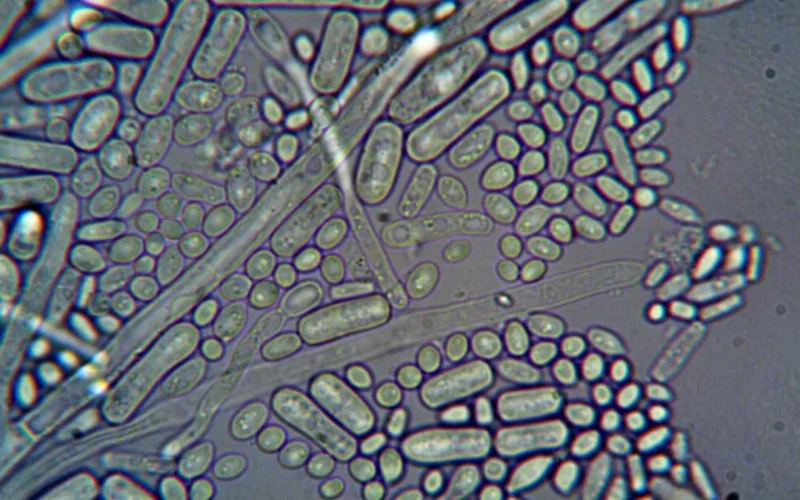
The relationship between humans and grape juice has always been mediated by a single-celled organism. While modern wine discourse often gets lost in heated online debates regarding glyphosate or the merits of cultured versus ambient yeast, the fundamental reality remains rooted in microbiology. In the latest installment of “Wine 101,” Keith Beavers begins an investigation into the technical noise surrounding winemaking by returning to the very beginning: the history of fermentation.
Today, we’re beginning with the history of humans’ interaction with a single-celled organism and grape juice.
From History to Chemistry
Understanding how wine evolves requires more than just tasting; it requires looking at the chemical interactions that occur within the vat. Beavers approaches the subject by tracing the historical trajectory of human interaction with yeast, moving past social trends to focus on hard data. The goal is to separate marketing claims from biological facts, specifically addressing how these microscopic organisms transform sugar into alcohol.
By grounding the conversation in history before diving into complex chemistry, the series aims to provide clarity amidst the chaos of industry speculation. Today, we’re beginning with the history of humans’ interaction with a single-celled organism and grape juice. This foundational approach allows for a deeper look at how specific variables—like the choice of yeast strain—impact the final profile of the bottle.
Navigating Industry Noise
Much of the current tension in the wine world stems from disagreements over methodology and environmental impact. Whether the discussion centers on ambient yeast or the use of specific additives, the lack of standardized understanding often leads to misinformation. Beavers intends to use this series to dissect these nuances through a lens of scientific rigor rather than reactionary sentiment.
The investigation serves as a way to filter out the “noise” that dominates digital wine communities. By prioritizing empirical evidence and established chemical principles, the series seeks to move the conversation away from polarizing opinions and back toward the actual mechanics of production.
Do you find that online debates about winemaking methods help clarify your preferences, or do they just add to the confusion?
Questions & Answers
What role does microbiology play in the winemaking process?
Microbiology is the fundamental scientific reality that governs the relationship between humans and grape juice. Single-celled organisms, specifically yeast, act as the primary mediators that transform the sugars found in grapes into alcohol. While modern discussions often focus on social trends or environmental debates, the actual production of wine relies on these microscopic biological interactions occurring within the vat to create the final product.
How does Keith Beavers approach the study of wine science?
Keith Beavers approaches the study of wine science by grounding complex chemical discussions in historical context. He traces the historical trajectory of human interaction with yeast to provide a foundation before diving into technical data. This method allows him to separate marketing claims from biological facts and move past reactionary sentiments. By prioritizing empirical evidence and established chemical principles, he aims to provide clarity regarding the actual mechanics of production.
Why is there so much confusion in online wine communities?
Confusion in online wine communities stems from a lack of standardized understanding regarding winemaking methodologies and environmental impacts. Much of the current industry tension arises from disagreements over topics like ambient yeast versus cultured yeast or the use of specific additives. This lack of consensus often leads to misinformation and polarizing opinions. The resulting technical noise makes it difficult for enthusiasts to distinguish between scientific facts and mere industry speculation.
How do specific yeast strains affect the final bottle of wine?
Specific yeast strains impact the final profile of a wine bottle by influencing the chemical interactions that occur during fermentation. Because different organisms possess unique biological characteristics, the choice of yeast acts as a critical variable in how sugar is transformed into alcohol. Understanding these microscopic variables is essential for moving beyond surface-level tasting and grasping how the fundamental mechanics of fermentation dictate the specific characteristics of the finished wine.
Originally reported by VinePair.