

⏱ 1 min read
The Short Version
Florida’s subtropical climate can produce impressive Arabica yields, but warm nights and alkaline soils are currently sabotaging the sugar levels needed for specialty status. While commercial scale remains a dream, boutique agrotourism could turn these scientific hurdles into a high-end niche reality.
In This Article
Real talk: growing specialty coffee in the American South sounds like a fever dream, but science is starting to treat it as a possibility. A recent study published in Crop Science has officially put Florida-grown Arabica through its paces, moving the conversation from mere curiosity to legitimate agronomic assessment. Researchers at the University of Florida’s Tropical Research and Education Center evaluated four distinct cultivars—Typica, Fronton, Limani, and Obatã—to see if they could survive the unique pressures of Homestead’s climate.
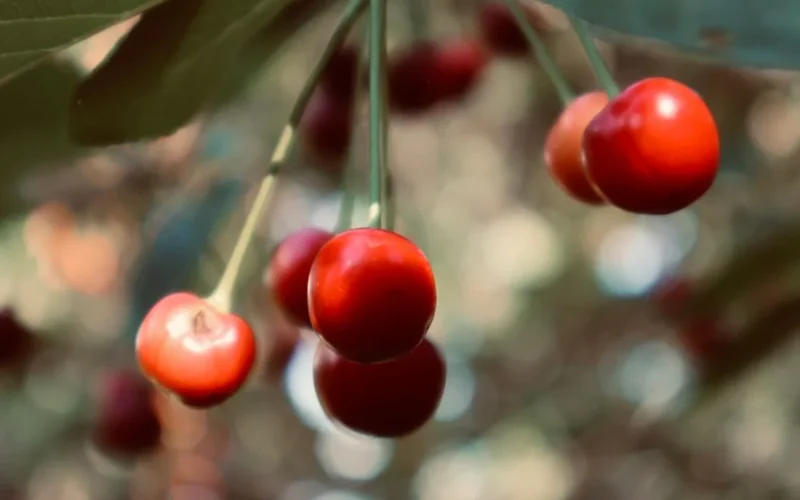
The coffee cherries averaged about 10 Brix, a measure of soluble sugars, compared with the 16 to 20 Brix often reported.
Yield vs. Sugar Development
The initial data presents a fascinating contradiction between volume and sweetness. While the plants produced encouraging yields, with some individual specimens exceeding six kilograms of fresh cherries, the chemical profile tells a more complicated story. Most notably, the fruit struggled with sugar development, averaging roughly 10 Brix compared to the industry standard of 16 to 20. The coffee cherries averaged about 10 Brix, a measure of soluble sugars, compared with the 16 to 20 Brix often reported. This deficit likely stems from South Florida’s warm nights, rocky alkaline soils, and inconsistent rainfall, which prevent the cherries from developing the complexity required for top-tier specialty status.
Navigating Climate Shifts
Despite these hurdles, the research arrives at a critical moment for global coffee production. As climate change threatens to reduce high-suitability growing areas by over 50% by midcentury, finding new frontiers becomes a matter of survival rather than just novelty. The study suggests that while large-scale commercial farming might be a distant goal, specialized models like agrotourism or boutique farm-to-table operations offer a realistic path forward. Success in this niche will depend entirely on precise management to overcome the environmental obstacles inherent to the region. Whether Florida can eventually produce a cup that rivals established origins remains to be seen, but the foundational hypothesis—that subtropical Arabica is possible—has been put on the map. Could seeing “Florida” on a specialty coffee bag actually become a premium reality?
Questions & Answers
What are the main challenges for growing Arabica coffee in South Florida?
The primary challenges for growing Arabica in South Florida include warm night temperatures, rocky alkaline soils, and inconsistent rainfall patterns. These environmental factors make it difficult for coffee cherries to develop the high sugar levels required for specialty status. While plants can achieve decent yields, the lack of sweetness is a significant hurdle. Researchers found that most cherries averaged only 10 Brix, which falls well below the industry standard of 16 to 20 Brix needed for premium quality coffee.
How does the sugar content of Florida-grown Arabica compare to industry standards?
Florida-grown Arabica typically exhibits much lower sugar levels than the standard required for specialty coffee. The study showed that coffee cherries in the Homestead area averaged approximately 10 Brix, which measures soluble sugars within the fruit. This is significantly lower than the 16 to 20 Brix range commonly reported in established coffee-growing regions. This deficit in sweetness suggests that while the plants can survive and produce volume, they struggle to reach the chemical complexity found in traditional high-quality origins.
Which Arabica cultivars were tested in the University of Florida study?
Researchers at the University of Florida evaluated four specific Arabica cultivars during their subtropical soil assessment. These distinct varieties included Typica, Fronton, Limani, and Obatã. The goal was to determine how each cultivar responded to the unique climatic pressures found in Homestead's environment. By testing these different types, scientists aimed to move the conversation regarding subtropical coffee production from mere curiosity toward a legitimate agronomic assessment of what might be viable for future specialized farming models.
Why is finding new coffee-growing regions becoming a priority for researchers?
Finding new coffee-growing frontiers is becoming a priority because climate change is expected to reduce high-suitability growing areas by over 50% by midcentury. As traditional coffee regions face increasing threats, identifying alternative locations like the American South becomes a matter of global production survival. While large-scale commercial farming in subtropical climates may remain difficult, research into these new areas could support specialized business models such as agrotourism or boutique farm-to-table operations that rely on precise environmental management.
Originally reported by Daily Coffee News.



[…] talk: Uganda’s rise as Africa’s largest coffee exporter comes with a heavy environmental price tag. While the nation generated $243 million from exports in […]