⏱ 1 min read
The Short Version
Forget sugary bubble tea; a new wave of authentic, high-end Chinese tea is conquering global markets through premium extraction and cultural storytelling. By swapping artificial syrups for real leaves and fresh milk, these brands are commanding premium prices from Silicon Valley to Belgrade.
In This Article
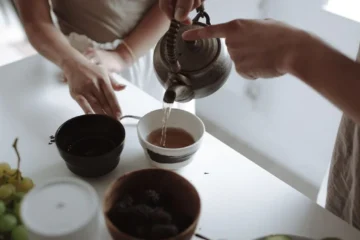
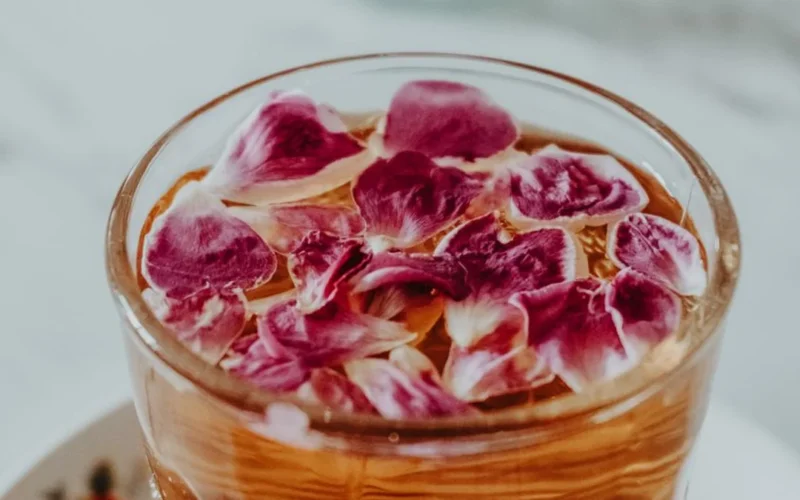
Forget preachy rhetoric; China’s new wave of tea culture is conquering global markets through flavor and design alone. While traditional bubble tea often relied on syrupy sweetness and artificial creamers, a sophisticated movement of “New Chinese Tea” brands is prioritizing authentic extraction. From Silicon Valley to Belgrade, massive queues are forming for drinks that emphasize high-quality tea leaves and fresh milk over processed additives.
With the very first sip, I turned to my husband and said, 'Now I get why people stand in line for this. You can actually taste real, authentic tea.'
A Shift Toward Authenticity
The expansion is backed by staggering numbers. In early 2026, Nayuki’s opened in Cupertino with sales exceeding $94,000 in just three days, while CHAGEE has rapidly scaled its international footprint to hundreds of stores. This trend is fueled by a growing demand for lighter, health-conscious options. Consumers are increasingly gravitating toward refreshing blends, such as the “Little Green Bottle” series—a line of drinks centered on light fruit and vegetable infusions. With the very first sip, I turned to my husband and said, ‘Now I get why people stand in line for this. You can actually taste real, authentic tea.’ This focus on natural ingredients provides these brands with a distinct competitive edge as they enter more discerning western markets.
Culture and Commercial Strategy
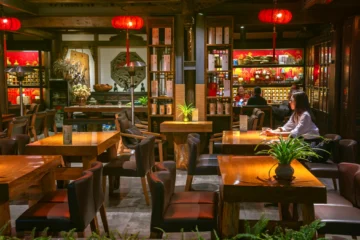
Beyond the liquid itself, these brands are selling a narrative. Companies like CHAGEE name their products after historical legends, adding layers of depth to the drinking experience. Even small boutiques like Serbia’s Chahua are using ink-wash aesthetics and traditional ceramics to transform a quick drink into a cultural immersion. However, there is a pragmatic commercial logic driving this movement. Intense price wars within China have pushed domestic margins thin, making overseas expansion essential for growth. Brands find that they can command higher prices abroad—often significantly higher than their domestic counterparts—without sacrificing demand. By blending high-end cultural storytelling with a robust global business model, New Chinese Tea is reshaping how the world consumes tea.
Is your palate ready for the shift from syrupy indulgence to sophisticated, tea-forward flavors?
Questions & Answers
What distinguishes New Chinese Tea from traditional bubble tea?
New Chinese Tea focuses on authentic tea extraction and high-quality ingredients rather than the syrupy sweetness found in older styles. While traditional bubble tea often relies on artificial creamers and heavy processed additives, this new movement prioritizes fresh milk and premium tea leaves. This shift toward lighter, more natural flavors allows consumers to experience the actual taste of the tea. Many brands are even introducing refreshing blends like fruit and vegetable infusions to meet the growing demand for health-conscious beverage options.
Why are Chinese tea brands expanding into international markets?
Chinese tea brands are expanding globally to escape intense price wars and thin profit margins within their domestic market. Moving into overseas territories allows these companies to implement a more robust business model where they can command significantly higher prices than they do in China. By entering discerning Western markets, brands can achieve better growth through premium pricing. This strategic expansion combines high-end cultural storytelling with pragmatic commercial logic to ensure long-term profitability and global brand recognition.
How do New Chinese Tea brands incorporate culture into their products?
These brands use sophisticated storytelling and traditional aesthetics to transform a simple drink into a deep cultural immersion. For example, companies like CHAGEE name their specific products after historical legends to add layers of meaning to the consumer experience. Other boutique shops use ink-wash aesthetics and traditional ceramics to enhance the visual appeal of their service. By blending these artistic elements with modern beverage design, they create a unique narrative that goes far beyond just selling a liquid product.
What evidence shows the growing popularity of New Chinese Tea globally?
The global surge is evidenced by massive queues and staggering sales figures at new international locations. In early 2026, Nayuki’s opened a location in Cupertino and recorded sales exceeding $94,000 within only three days of operation. Additionally, brands like CHAGEE have rapidly scaled their international footprint to include hundreds of stores worldwide. This rapid growth demonstrates a significant shift in consumer behavior as people from Silicon Valley to Belgrade increasingly seek out sophisticated, tea-forward flavor profiles.
Originally reported by bastillepost.com.