

⏱ 2 min read
The Short Version
Forget Sancerre; Sauvignon Blanc is breaking its boundaries in unexpected pockets like Virginia and Colorado. By blending new terroirs with clever aging techniques, producers are evolving this variety from simple patio sippers into complex, textured gastronomic powerhouses.
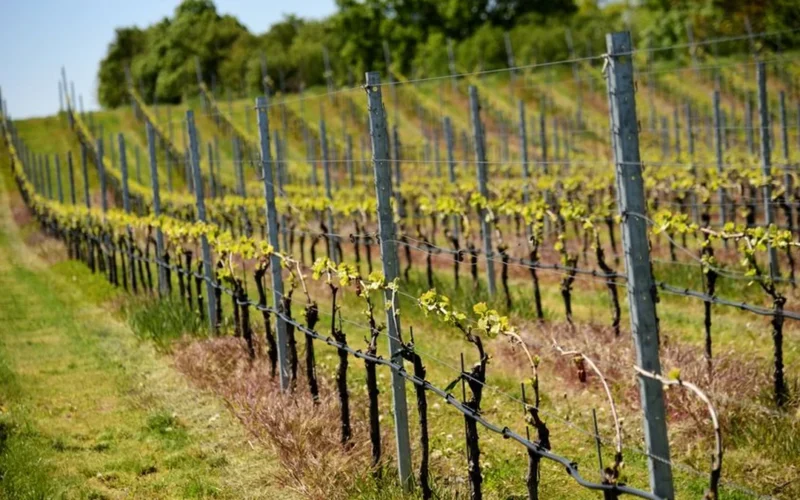
There’s something brewing in the world of white wine beyond the traditional boundaries of Sancerre and Marlborough. While California has long held a stake in the variety, we are witnessing a fascinating geographic expansion. From the emerging vineyards of Virginia to high-elevation sites in Sonoma and even unexpected pockets in Colorado, Sauvignon Blanc is proving its versatility across vastly different climates.
This year also showed us that Sauvignon Blanc is thriving in Virginia, producing expressive, balanced wines that should not be overlooked.
Beyond the Classic Profiles
The American story of this grape is one of deep lineage, beginning when viticulturist Charles Wetmore imported original cuttings from Bordeaux’s famed Château d’Yquem to found Cresta Blanca Winery. This history evolved from those 19th-century roots to the moment Robert Mondavi coined the rich, oak-aged Fumé Blanc style in Napa Valley. Today, that evolution continues as producers move toward texture and depth. In the Loire Valley, once purely flinty styles are gaining more weight, while Friuli uses stainless steel to preserve aromatic intensity. This year also showed us that Sauvignon Blanc is thriving in Virginia, producing expressive, balanced wines that should not be overlooked. This shift suggests that the “standard” profile is merely a baseline, not a ceiling.
In the American West, the focus is shifting toward complexity through clever blending and aging techniques. Many top-tier bottles are now incorporating Semillon to add body or using neutral oak and concrete to soften the edges. These methods create a waxy mouthfeel that elevates the wine from a simple patio sipper to a serious gastronomic partner. Whether it’s the character found in Washington’s Bacchus Vineyard or the mineral-driven precision coming out of Maryland’s coastal vines, the variety is finding new ways to express terroir.
Precision in Service and Selection
As these diverse expressions hit the market, understanding how to approach them is essential for any enthusiast. To truly appreciate the nuances—from jasmine notes to a saline snap—temperature control is non-negotiable. Serving these wines between 45 and 49 degrees Fahrenheit ensures the acidity remains crisp without masking delicate floral aromas. Mastering this thermal balance allows you to navigate everything from high-acid New Zealand classics to the richer, more textured blends emerging from modern American estates.
Tell us: which of these emerging terroirs has surprised your palate most recently?
Questions & Answers
Where is Sauvignon Blanc being successfully grown in the United States?
Sauvignon Blanc is being successfully cultivated in several diverse American regions including Virginia, Sonoma, and Colorado. While California has a long history with the variety, new vineyards are emerging in unexpected locations like high-elevation sites in Sonoma and pockets within Colorado. The grape is also showing great versatility in Virginia, where producers are creating expressive and balanced wines that demonstrate how different climates can redefine the traditional profile of this specific white wine variety.
How can winemakers add body and texture to Sauvignon Blanc?
Winemakers add body and texture to Sauvignon Blanc through clever blending techniques and specific aging methods. Many top-tier producers incorporate Semillon into their blends to increase the overall weight of the wine on the palate. Additionally, using neutral oak or concrete vessels helps to soften the edges of the acidity. These approaches transform the wine from a simple light sipper into a more complex gastronomic partner characterized by a sophisticated and waxy mouthfeel.
What is the ideal serving temperature for Sauvignon Blanc?
The ideal serving temperature for Sauvignon Blanc is between 45 and 49 degrees Fahrenheit. Maintaining this specific thermal range ensures that the wine's natural acidity remains crisp and refreshing without masking its more delicate components. Proper temperature control is essential for appreciating the full spectrum of nuances in the glass, ranging from bright jasmine notes to a sharp saline snap, regardless of whether the wine is a high-acid classic or a richer modern blend.
Why is the profile of Sauvignon Blanc changing in different global regions?
The profile of Sauvignon Blanc is changing because producers are moving beyond traditional flinty styles toward wines with more weight and aromatic intensity. In the Loire Valley, for example, there is a noticeable shift toward producing wines with more body. Meanwhile, in Friuli, winemakers are utilizing stainless steel to better preserve the grape's intense aromas. These evolving techniques across various terroirs suggest that the standard profile of the grape is merely a baseline rather than a limit.
Originally reported by VinePair.

[…] vine. The goal isn’t merely to avoid looking aimless in a restaurant, but to understand why certain tannins grip the palate while others melt […]