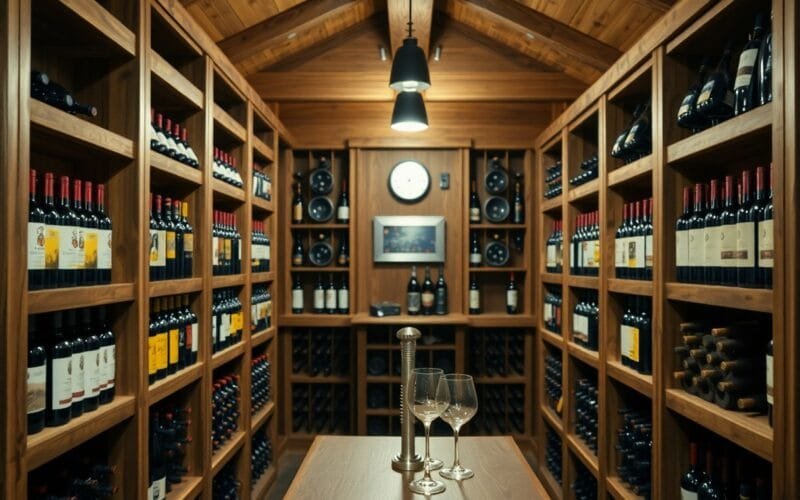
Over time, the way you store your wine can significantly impact its taste and longevity. Proper wine storage requires more than just a cool, dark place; it involves understanding temperature fluctuations and humidity levels. In this post, you will discover imperative tips to optimize your wine storage, ensuring every bottle you open reflects its true potential. From the ideal environment to the best practices, you will learn how 20 minutes in the right conditions can make all the difference for your beloved bottles.
Understanding Wine Storage
Effective wine storage relies on a blend of temperature, humidity, and light conditions to preserve and enhance the characteristics of your collection. By prioritizing these elements, you can create an environment that encourages optimal aging, ensuring that each bottle reaches its full potential when it’s time to pour. Awareness of how different factors interact with the wine will empower you to make informed choices for your storage setup.
The Science Behind Wine Aging
Aging wine is a complex chemical process influenced by various factors, including tannins, acidity, and the presence of sulfur dioxide. As wine matures, its flavors evolve, with harsher elements softening over time and harmonious notes emerging. For instance, a Cabernet Sauvignon can take several years to reach its peak, while a lighter Pinot Noir might be best enjoyed sooner. Understanding the aging process helps you appreciate when to indulge in your collection.
Environmental Factors to Consider
Temperature stability is paramount, ideally around 55°F (13°C) for reds and a bit cooler for whites. Humidity should stay between 50%-80% to prevent cork damage. Dark conditions protect the wine from light damage, while minimal vibration prevents sediment disturbance. These factors work together to ensure your wines age gracefully and maintain their quality over the years.
- Consistent temperatures prevent chemical fluctuations that could spoil your wine.
- Ideal humidity levels minimize the risk of corks drying out or becoming too damp.
- Keeping your wine dark avoids degradation caused by UV light.
- Any significant changes in these factors can impact the aging process negatively.
For optimal storage, select a dedicated wine fridge or a dark cellar, maintaining these elements consistently. Frequent temperature fluctuations can lead to expansion and contraction of the wine, damaging the cork seal. Use a thermometer and hygrometer to monitor conditions. Managing these details empowers you to maximize your wine’s aging potential and enjoy it at its peak.
- Choose storage containers that protect from physical disturbances.
- Store wine bottles horizontal to keep the cork moist and air-tight.
- Shield your storage area from external light sources.
- Any adjustments in humidity and temperature should be made gradually to avoid shock to the wine.
Optimal Temperature and Humidity
| Temperature | Humidity |
|---|---|
| Ideal range is 45-65°F (7-18°C) | Optimal range is 50-70% |
| Avoid temperature fluctuations | Too low can cause corks to dry out |
| Red wines prefer warmer temps | Too high can lead to spoilage |
| White wines benefit from cooler conditions | High humidity prevents evaporation |
Ideal Conditions for Storing Wine
For wine storage, you should aim for a consistent temperature between 45-65°F (7-18°C) and humidity levels between 50-70%. Fluctuations can damage wine quality and alter flavors. Reds generally appreciate warmer conditions while whites thrive in cooler environments. Maintaining these ideal conditions promotes optimal aging and ensures that your wine remains vibrant and enjoyable over time.
Tools for Measuring and Maintaining Conditions
Accurate temperature and humidity tools are imperative for wine care. You can utilize digital thermometers, hygrometers, and even dedicated wine fridges. Monitoring these factors ensures the longevity and quality of your collection. Investing in reliable equipment is key to preserving your wine’s character and taste over time.
A digital thermometer and hygrometer combo provides real-time readings, allowing you to make timely adjustments. Consider a smart wine cellar management system for comprehensive monitoring; these devices often send alerts for any temperature fluctuations, preventing spoilage. Regular checks and adjustments not only safeguard your investment but also enhance your overall wine experience. With the right tools, maintaining ideal conditions becomes seamless, ensuring your wines age beautifully.
Types of Wine Storage Solutions
Choosing the right wine storage solution enhances preservation and accessibility. Options include:
- Wine cellars
- Wine refrigerators
- Wine cabinets
- Wine racks
- Climate-controlled units
Perceiving the nuances of each type will guide you to the best choice for your collection. For more insights, check out The biggest mistakes you make when drinking wine.
| Type | Description |
| Wine Cellars | Custom built, maintain ideal conditions. |
| Wine Refrigerators | Units with temperature control, perfect for smaller spaces. |
| Wine Cabinets | Stylish, versatile storage solutions for personal collections. |
| Wine Racks | Simple storage, cost-effective, and easy to organize. |
| Climate-Controlled Units | Specialized storage with precise environmental control. |
Wine Cellars vs. Wine Refrigerators
Wine cellars provide a more permanent, customized solution, often built underground or in a dedicated space, maintaining optimal conditions over time. In contrast, wine refrigerators are portable options that offer flexibility, especially for those with limited space. They usually come equipped with numerous temperature zones, suitable for different types of wine, making them a practical choice for everyday use.
Alternatives for Home Storage
If you lack the space or budget for a dedicated wine cellar, several alternatives can still protect your collection. Options range from simple wine racks to innovative storage cabinets that blend aesthetics and function.
When considering alternatives for home storage, think about creative solutions beyond traditional options. Small wine racks can fit snugly in kitchens, while specialized wine cabinets come with UV protection and controlled humidity. Even repurposing furniture, like a sideboard, can create a unique storage space. Features like shelving and climate control in these options help maintain your wine’s quality, ensuring every bottle ages gracefully.
Positioning and Handling Bottles
Correct positioning and handling of wine bottles can significantly influence your wine’s quality over time. Storing bottles horizontally, in a stable environment, ensures that the cork remains moist and prevents air from entering, which can spoil your wine. In addition, avoiding frequent movement keeps sediment settled and preserves the wine’s flavor integrity.
Laying Down vs. Standing Bottles
Laying down bottles is generally recommended, particularly for wines with cork closures, as it keeps the cork moist. This prevents it from drying out and allowing air in, while standing bottles may be suitable for screw caps or wines meant for immediate consumption. Always consider your wine type and storage duration when choosing the positioning method.
Proper Handling Techniques
Handling your wine with care is necessary to maintain its condition. Always grip bottles by the base, avoiding contact with the neck to prevent disturbing any sediment. When pouring, use a steady hand and a decanter if necessary, to ensure a smooth pour without introducing unwanted air. Minimize temperature fluctuations by keeping bottles stored in consistent environments.
In terms of proper handling techniques, gentle movements are key. Avoid shaking or tapping the bottle, as agitation can disturb sediment and impact flavor. If you have a wine with age, let it stand upright for a few hours before serving to allow sediment to settle. When serving, use a clean, dry cloth to catch any drips from the neck of the bottle, ensuring a clean presentation. Taking these careful steps helps in preserving the integrity of your wine throughout its lifecycle, from storage to glazing the glass during a tasting.
Common Mistakes in Wine Storage
Improper wine storage can severely impact the quality of your wine. Many overlook the significance of consistent temperatures, fail to consider light exposure, and neglect the vibrations that can disturb aging wines. Identifying and correcting these mistakes is necessary for maintaining your wine’s integrity.
Avoiding Temperature Fluctuations
Table of Common Temperature Mistakes
| Mistake | Impact |
| Storing wine in fluctuating environments | Causes wine to age prematurely and affects flavor profiles. |
| Using non-temperature controlled spaces | Risks heat damage and inconsistent maturation. |
| Not checking thermometers regularly | No awareness of potential sudden changes. |
The Role of Light and Vibration
Exposure to UV light can degrade wine and alter its taste. Direct sunlight or even intense artificial light can lead to premature aging and spoilage. Additionally, vibrations from nearby machinery or foot traffic might disturb the delicate sediment in your bottle, negatively affecting the wine’s flavor. Ensuring your wine is stored in a dark, stable environment will help preserve its characteristics over time.
UV rays penetrate glass and can break down compounds in wine, making it taste flat. For instance, wines stored in clear bottles are especially vulnerable to light exposure, leading to issues in flavor and aroma. Similarly, vibrations disrupt the natural sedimentation process, preventing the wine from aging gracefully. A dedicated wine cellar or a dark, quiet corner of your home can help mitigate these risks, ensuring your wine’s flavors remain intact for years to come.
The Importance of Wine Inventory Management
Effective wine inventory management is vital for ensuring that your collection is appreciated to its fullest potential. A well-maintained inventory helps you keep track of your wines, ensuring they are consumed or sold at the optimal time. Regularly monitor your bottles, noting their storage conditions and tasting windows, to enhance your wine enjoyment and investment value. For guidance on ideal storage temperatures, check out Wine Temperature: The 20/20 Rule | Home.
Tracking Your Collection
Establishing a comprehensive tracking system for your wine collection streamlines the management process. A simple spreadsheet or dedicated app can help you catalog each bottle, including its vintage, producer, purchase date, and drinking window. This organized approach prevents overstocking and assists in identifying wines that need to be consumed sooner rather than later, enhancing your overall wine experience.
Knowing When to Drink or Sell
Understanding when to enjoy or sell a wine is critical to maximizing its value. Each bottle has a peak drinking window, which varies by varietal and producer. Monitoring market trends and auction prices can inform your decision to sell; some bottles appreciate significantly over time, while others are best enjoyed within a few years of release. Staying informed through wine publications and databases can assist you in making the right call.
For example, a well-aged Bordeaux might fetch a high price at auction, especially if it has been stored correctly. Conversely, a newer wine may not benefit from extended aging and may be best consumed within a couple of years. Consulting your inventory regularly and assessing wine conditions ensures that your collection remains enjoyable and financially rewarding. Keep an eye on bottle conditions, market trends, and recommended tasting windows to optimize your decision-making process.
To wrap up
To wrap up, understanding the 20 Minutes In, 20 Minutes Out wine storage secrets allows you to optimize your wine’s flavor and quality effectively. By ensuring your wines have the right exposure to air during service and storage, you enhance the tasting experience. Always pay attention to temperature, light, and humidity as these factors significantly impact your wine’s preservation. With these guidelines, you can maintain the integrity of your collection, enabling you to enjoy every sip to its fullest potential.