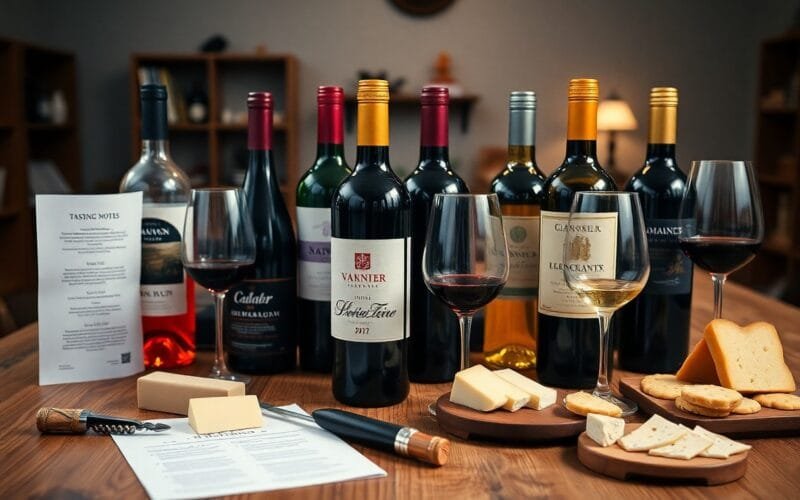
It’s crucial to understand the fundamentals of wine appreciation as you launch on your journey. You may be wondering what characteristics make wine enjoyable and appealing. From the grape variety to the flavor profile, several factors contribute to a good wine experience. Explore the basics and enhance your knowledge with tips tailored for novices, so you can confidently select the right bottle. For a comprehensive introduction, check out the Best Wine for Beginners: A Guide to Your First Bottle.
Understanding Wine Basics
Before submerging into the world of wine, familiarize yourself with crucial principles. A solid grasp of wine basics enriches your appreciation. This Wine 101 Learn the Basics – A Beginner’s Guide to … provides a great starting point for beginners.
Types of Wine
Various types of wine cater to different tastes and occasions. Here are a few key categories:
- Red Wine
- White Wine
- Rosé Wine
- Sparking Wine
- Dessert Wine
The diversity in wine types allows you to explore and find your favorites.
| Red Wine | Full-bodied, rich flavors, often paired with red meats. |
| White Wine | Lighter, crisper, usually enjoyed with seafood and poultry. |
| Rosé Wine | A blend of red and white wines, perfect for summer sipping. |
| Sparking Wine | Carbonated, celebratory, such as Champagne or Prosecco. |
| Dessert Wine | Sweet, served with or after meals, often accompanies desserts. |
Key Grapes and Regions
Your understanding of key grape varieties and wine-producing regions enhances your knowledge significantly. Some of the most popular grapes include Cabernet Sauvignon, Chardonnay, and Pinot Noir, each thriving in specific locations around the world like Bordeaux for Cabernet or Burgundy for Pinot. Each region imparts unique characteristics to its wines, influenced by climate, soil, and winemaking techniques.
Familiarizing yourself with these grapes and regions will greatly benefit your wine selection. Cabernet Sauvignon offers bold flavors, often found in California and Bordeaux. Chardonnay, frequently produced in Burgundy, provides a diverse flavor profile from buttery to crisp. Pinot Noir, originating from Burgundy, is prized for its elegance and complexity. Pairing specific grape varieties from their native regions enhances your wine enjoyment and helps you make informed choices.
Tasting Wine
You engage your senses to fully appreciate each wine’s complexities during a tasting. Observing the wine’s appearance, inhaling its aromas, and savoring its flavors create a multi-dimensional experience. Each sip reveals layers of taste, texture, and finish, guiding you toward a deeper understanding and enjoyment of your selections.
The 5 Senses in Wine Tasting
In wine tasting, you utilize sight, smell, taste, touch, and even hearing. Visually examining the wine can reveal its clarity and color. Swirling releases aromas for your nose to detect. As you taste, consider the mouthfeel and balance of flavors, while listening for the subtle sounds of swirling or pouring that heighten the experience. Each sense contributes to a fuller understanding of what you’re tasting.
Common Tasting Notes
Common tasting notes help you articulate the wine’s profile, aiding communication about its characteristics. You might recognize aromas and flavors such as black cherry, oak, or vanilla in reds, while whites can present notes of citrus, honey, or floral hints. These descriptors are important for sharing your wine experiences with others or for selecting your next bottle.
Familiarity with common tasting notes enhances your enjoyment and appreciation of wine. For example, a Cabernet Sauvignon may evoke dark fruit flavors like blackberry and plum, often accompanied by hints of tobacco or leather. On the other hand, a Sauvignon Blanc might surprise you with grapefruit or grassy undertones. Developing your palate and recognizing these notes will improve your ability to choose wines that align with your preferences.
Pairing Wine with Food
Finding the perfect wine to complement your meal elevates the dining experience significantly. The right balance between the flavors of the wine and the dish enhances both, creating a harmonious taste sensation. Consider the weight, acidity, and flavor profile of each component to achieve the best pairing. As you experiment, trust your palate and have fun discovering combinations that work for you.
General Guidelines
When pairing wine with food, focus on balancing flavors. White wines generally pair well with lighter dishes like fish or chicken, while reds complement heartier fare such as beef or lamb. Acidic wines cut through rich, fatty foods, and sweet wines can balance spicy dishes. Experiment with contrasting flavors for surprising results, but keep your personal taste in mind.
Classic Pairing Examples
Classic wine and food pairings provide a reliable starting point for beginners. A full-bodied Cabernet Sauvignon often pairs beautifully with a juicy steak, while a crisp Sauvignon Blanc complements a fresh green salad. For a seafood dish, try a light Pinot Grigio, and for rich desserts, a sweet Port or Riesling can be ideal. Familiarizing yourself with these combinations lays the groundwork for more adventurous pairings later on.
For instance, a classic pairing like Chardonnay with roasted chicken showcases how a wine’s complexity interacts with complementary flavors. The oaky notes of the Chardonnay enhance the savory herbs used in the chicken preparation. Similarly, a nice Chianti with spaghetti Bolognese highlights the acidity of the tomatoes, creating a balanced taste. While these examples are time-tested, feel free to experiment beyond them; your palate is your best guide.
Storing and Serving Wine
Optimal wine storage and serving practices greatly impact your enjoyment of wine. Proper conditions preserve wine’s character and complexity, while the right serving techniques enhance flavors and aromas. Pay attention to temperature, humidity, and glassware for the best experience.
Proper Storage Conditions
Store your wine in a cool, dark place with a consistent temperature between 45°F and 65°F. Ideal humidity levels should be around 70%. Avoid direct sunlight, vibration, and temperature fluctuations. Use wine racks or cabinets to keep bottles horizontal, ensuring corks remain moist.
Serving Temperature and Glassware
Serving wine at the correct temperature is vital; red wines typically taste best between 60°F and 65°F, while whites are better served at 45°F to 50°F. Use appropriate glassware; a wider bowl for reds allows for aeration, while narrower glasses suit whites and sparklings.
Serving Temperature and Glassware
| Wine Type | Recommended Serving Temperature |
|---|---|
| Red | 60°F – 65°F |
| White | 45°F – 50°F |
| Rosé | 50°F – 55°F |
| Sparkling | 40°F – 50°F |
Using specific glassware amplifies the wine experience. For instance, choose a larger bowl for full-bodied red wines to enhance aroma release. In contrast, sleek, narrower glasses are optimal for whites and sparkling wines, allowing you to appreciate their delicate characteristics and effervescence. Each glass shape influences how you perceive the wine’s aroma and flavor, significantly enhancing your tasting experience.
Glassware Impact
| Glass Type | Best For |
|---|---|
| Red Wine Glass | Full-bodied reds |
| White Wine Glass | Crisp whites |
| Champagne Flute | Sparkling wines |
| All-Purpose Glass | Versatile option |
Evaluating Wine Quality
Evaluating wine quality involves analyzing several key attributes, including appearance, aroma, taste, and finish. You should consider clarity and color for visual assessment, while swirling the wine releases its bouquet for olfactory evaluation. As you sip, pay attention to the balance of flavors, acidity, and tannins, with a lingering aftertaste being a positive sign. Higher quality wines typically provide a complex experience that evolves as you drink.
Factors Influencing Quality
Many factors influence a wine’s quality, including the grape variety, climatic conditions, and winemaking techniques. The vineyard’s location plays a significant role, with terroir affecting taste profiles. Additionally, fermentation methods, aging processes, and bottle handling can impact the final product. Here are some aspects to focus on:
- Grape quality and ripeness
- Winemaking practices
- Geographical origin
- Year of vintage
Thou should analyze these elements for a comprehensive understanding of a wine’s potential quality.
Red Flags in Wine Selection
When dicking out wine, watch for certain red flags that may indicate poor quality. Avoid bottles with damaged labels, as this may suggest improper storage or handling. If the cork shows signs of leakage or is crumbling, it could affect the wine’s integrity. Additionally, be cautious of overly cheap prices for vintage wines, as this often reflects inferior quality.
Inspecting a wine’s packaging is pivotal. A wine that’s excessively dusty or has a well-worn label may indicate it has been poorly stored. Examine the cork for any signs of mold, which can signal issues with the seal. Furthermore, if the bottle’s fill level is too low, this may suggest evaporation or leakage, potentially compromising the wine’s taste. Prioritize quality and condition to enhance your wine experience.
Exploring Different Styles
Diving into the world of wine means discovering various styles that cater to different palates and occasions. Each type, influenced by grape variety and fermentation methods, offers a unique tasting experience. From robust reds to crisp whites, you’ll find that the food pairing potential and flavor profiles vary widely. Exploring these styles helps you pinpoint what resonates most with your taste, allowing for a richer appreciation of your favorite wines.
Red, White, Rosé, and Sparkling
Red, white, rosé, and sparkling wines each bring distinct characteristics that appeal to diverse preferences. Red wines, such as Cabernet Sauvignon and Merlot, are often full-bodied with deeper tannins, making them ideal for heartier dishes. White wines, like Chardonnay and Sauvignon Blanc, offer crisp acidity and often complement lighter fare. Rosé provides a delightful middle ground, balancing the freshness of white wine with some of the richness of red. Meanwhile, sparkling wines like Champagne introduce effervescence, adding a celebratory touch to any occasion.
Understanding Natural and Organic Wines
Natural and organic wines emphasize environmentally friendly practices in their production. Organic wines come from grapes grown without synthetic fertilizers or pesticides, promoting sustainability and potentially healthier options. In contrast, natural wines often undergo minimal intervention during fermentation, allowing the grapes’ true character to shine through. This approach can result in unique flavors and unexpected aromas, reflecting the vineyard’s terroir and harvest conditions.
Natural wines typically feature wild yeasts for fermentation and are sometimes unfined and unfiltered, leading to cloudiness and sediment that some enthusiasts appreciate. Organic wines, certified by regulatory bodies, ensure that no harmful chemicals were used throughout the grape-growing process. As consumer interest in sustainability grows, both categories have gained popularity, appealing to those who value ethical consumption in their wine choices. Sampling these wines allows you to explore a spectrum of flavors while supporting environmentally friendly practices.
To wrap up
On the whole, selecting a good wine involves understanding your personal tastes, exploring different varietals, and paying attention to factors such as aroma, flavor, and body. Consider the occasion and food pairings that enhance your experience. With practice, you can develop your palate, making informed choices that align with your preferences. By utilizing tips for tasting and evaluating wine, you can confidently navigate the world of wine and discover selections that truly resonate with you.