⏱ 2 min read
The Short Version
Forget the global powder shortage; Tokyo’s elite tea houses are doubling down on technical precision and rare single-origin cultivars. From 19th-century institutions to Kengo Kuma-designed sanctuaries, the city is bridging ancient ritual with high-end culinary innovation.
A global shortage of ceremonial-grade powder hasn’t slowed Tokyo’s obsession with vibrant green tea. While enthusiasts chase trends like matcha lattes and soft-serve, the city’s most respected purveyors remain focused on technical precision and regional character. From Ginza to Roppongi, these cafes prove that even amidst a commercial boom, true quality relies on provenance and preparation.
Purists will appreciate this tiny tearoom’s dedication to single-origin, high-grade matcha, especially from premium cultivars like Okumidori, Saemidori and Kanayamidori.
Heritage meets high-end technique
Nakamura Tokichi, an institution established in 1854, maintains its status through sheer variety and historical weight. At its Ginza Six location, the menu spans from savory soba noodles to decadent multi-layered parfaits. For those seeking intensity, the shop offers koicha, a thick, luxurious preparation using higher concentrations of tea powder and minimal water to emphasize earthy umami notes. Prices for matcha here start at JPY 1,280.
In the quiet residential pockets of Roppongi, Wasachi provides a distinct departure from the industry standard. While most Tokyo shops source exclusively from Uji, Kyoto, Wasachi looks toward Yame in Fukuoka prefecture. Purists will appreciate this tiny tearoom’s dedication to single-origin, high-grade matcha, especially from premium cultivars like Okumidori, Saemidori and Kanayamidori. The cafe balances tradition with modern textures, offering items like a matcha affogato or a ube cloud matcha featuring Kinampay purple yam from the Philippines.
Architectural elegance and regional profiles
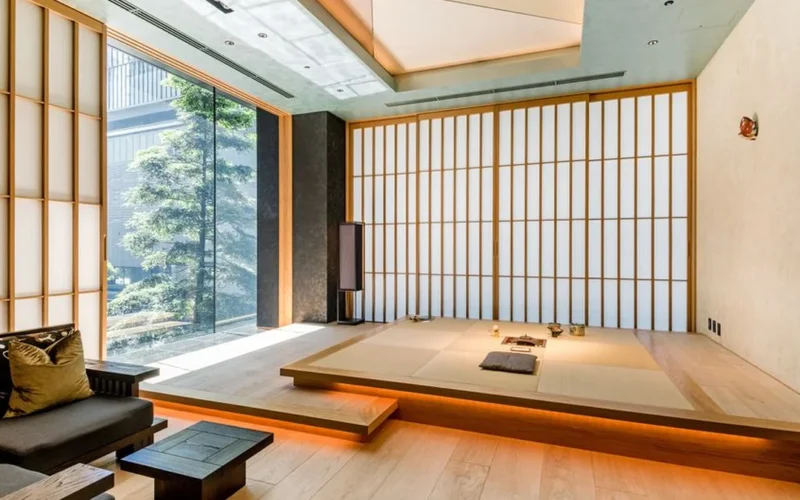
Kagurazaka Saryo leans into the dessert side of the spectrum, sourcing leaves from Shizuoka, Kagoshima, and Kyoto. Their signature is the matcha mont blanc, which is assembled to order by piping chestnut cream onto meringue bases. Nearby, Jugetsudo’s Tsukiji outpost—designed by architect Kengo Kuma—offers a sculptural environment inspired by traditional nodate umbrellas. This location serves everything from gyokuro to matcha cheesecake within an organic bamboo interior.
For those navigating the shopping corridors of Omotesando, Chavaty offers a more indulgent, pastry-forward experience. The menu focuses on texture through fresh matcha scones, crepes, and chocolate fondants. Unlike many specialty spots that focus solely on the green tea itself, Chavaty gives equal weight to hojicha, providing roasted alternatives for those seeking a different profile. Whether you are hunting for rare cultivars or a perfectly whipped soft-serve, Tokyo’s tea scene remains defined by its ability to bridge historical ritual with contemporary cravings.
Do you prefer your matcha in a traditional whisked bowl or as part of a modern dessert?
Questions & Answers
What is the difference between matcha and koicha?
Koicha is a thick and luxurious preparation of matcha that uses a higher concentration of tea powder with minimal water. This specific method is designed to emphasize the deep, earthy umami notes of the tea. Established institutions like Nakamura Tokichi offer this intense version to enthusiasts seeking a more concentrated experience. While standard matcha lattes are popular trends, koicha represents a traditional technique focused on the purity and strength of the tea itself.
Where can I find single-origin matcha from the Yame region in Tokyo?
You can find single-origin matcha from the Yame region in Fukuoka at Wasachi, a small tearoom located in the Roppongi area. Unlike many other Tokyo shops that source their tea exclusively from Uji in Kyoto, Wasachi focuses on premium cultivars like Okumidori, Saemidori, and Kanayamidori from Yame. This dedication to specific regional provenance allows purists to experience distinct flavor profiles that differ from the standard industry offerings found throughout the city.
How do Tokyo cafes incorporate matcha into modern desserts?
Tokyo cafes incorporate matcha into modern desserts by combining traditional tea with contemporary textures and flavors. For example, Kagurazaka Saryo creates a signature matcha mont blanc by piping chestnut cream onto meringue bases. Other establishments like Chavaty offer matcha-infused scones, crepes, and chocolate fondants for a pastry-forward experience. Some shops even experiment with unique pairings, such as the ube cloud matcha which features Kinampay purple yam to create a fusion of flavors.
What architectural styles are featured in Tokyo's specialty tea shops?
Specialty tea shops in Tokyo feature diverse architectural designs ranging from organic bamboo interiors to sculptural environments. Jugetsudo’s Tsukiji location, designed by the renowned architect Kengo Kuma, utilizes an organic bamboo interior inspired by traditional nodate umbrellas. This creates a highly aesthetic and sculptural setting for enjoying tea and treats like matcha cheesecake. These design choices help bridge the gap between historical tea rituals and the modern, high-end cafe culture found in districts like Tsukiji.
Originally reported by Travel and Leisure Asia.