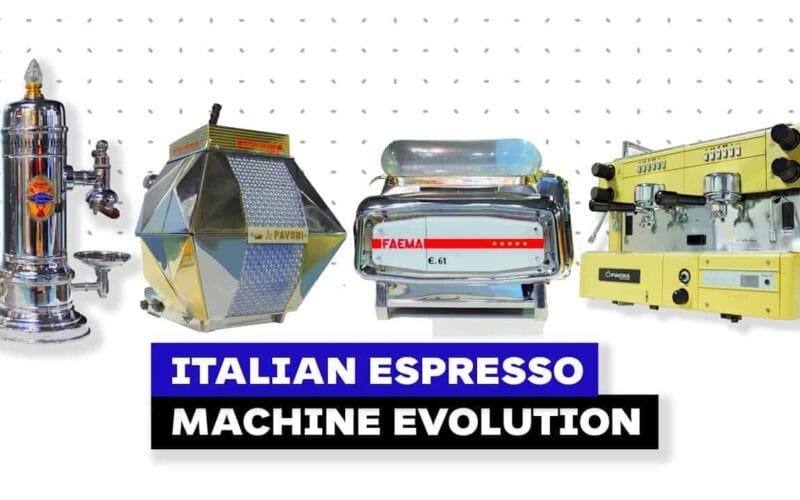
Let’s talk about the machines that built the espresso empire—before your local café even had a name. For a century, Italy’s espresso machines have been the quiet architects of coffee culture, and now, a rare exhibition at HOST Milano 2025 is revealing their hidden history. Organized by Henk Langkemper and coffee collectors Kent Bakke and Enrico Maltoni, the showcase isn’t just about nostalgia—it’s a masterclass in engineering, scarcity, and the art of pulling a perfect shot.
The 1920s saw column machines like the Gaude Imperial, heavy and ornate, designed for café owners who wanted to impress customers with their grandeur. By the 1950s, lever machines like the Gaggia Classica and Faema Venere revolutionized home brewing, blending simplicity with precision. These machines required skill, but their hand-pumped design made them durable and timeless. Fast forward to 1961, and the Faema E61 introduced hydraulic pressure, setting the standard for modern espresso. It’s the model that defined the golden age of coffee, with its sleek lines and unmatched reliability.
Then there’s the La Cimbali Pitagora, a hydraulic marvel from the 1970s that’s more machine than appliance. Its complexity made it a favorite among professionals, but also a rare find today. And let’s not forget the La Marzocco Ariston—a single surviving unit that’s been dubbed the rarest espresso machine in the world. Its story is a blend of innovation and obscurity, a reminder that some machines were never meant for mass production.
The exhibition also highlights how technology reshaped the industry. By the 1980s, electronics took over, making espresso machines more accessible but stripping them of their mechanical soul. Yet, collectors argue that the best machines are those that demand respect—each lever pull, each pressure adjustment, a dialogue between user and machine.
Key points: The Faema E61 is the blueprint for modern espresso; the La Marzocco Ariston’s scarcity makes it a collector’s dream; and the shift to electronics prioritized convenience over craftsmanship.
Key points: The Faema E61 is the blueprint for modern espresso; the La Marzocco Ariston’s scarcity makes it a collector’s dream; and the shift to electronics prioritized convenience over craftsmanship.
What’s your favorite era of espresso machines—and why? Share your story in the comments.
Questions & Answers
What’s the history of Italian espresso machines?
Italian espresso machines evolved from 1900s steam-driven devices to modern electric models. Brands like Gaggia and La Marzocco pioneered innovation, shaping global coffee culture.
Are vintage espresso machines valuable?
Yes, vintage espresso machines can be highly valuable. Collectors seek rare models from brands like Bialetti and Faema, with some fetching thousands at auctions.
Information sourced from industry reports and news outlets.