⏱ 1 min read
The Short Version
A single, scarred work board at Bass Phillip Estate acts as a living palimpsest, bridging the gap between founder Phillip Jones’s eccentric legacy and new Burgundian investment. Instead of modernizing, the winery preserves its history by pressing new expertise into old-world tools.
In This Article
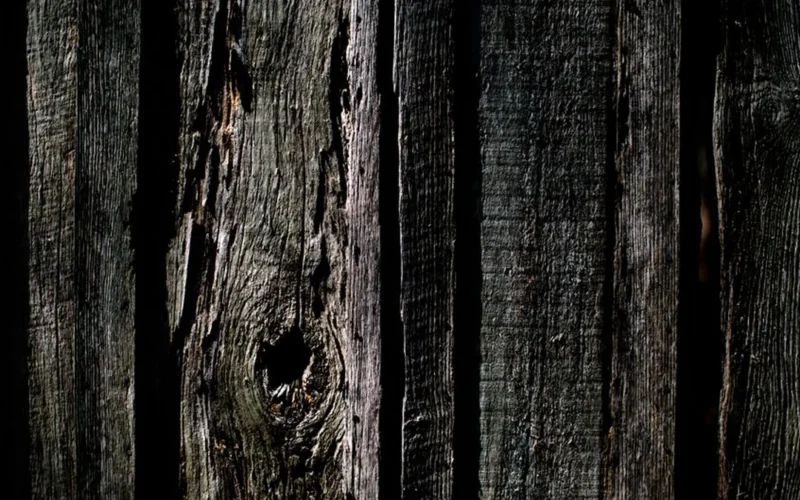
This is worth savoring: A single work board at Australia’s legendary Bass Phillip Estate tells a story more complex than any tasting note. Located in the Gippsland Region of Victoria, this surface functions as a literal palimpsest—a canvas bearing the ghosts of previous eras through layers of marks and erasures. It serves as a silent witness to the evolution of one of the country’s most significant Pinot Noir producers.
The well-used work board easily earns the label of palimpsest.
A Transition of Stewardship
The estate currently sits at a fascinating cultural crossroads. While it was recently acquired by investors led by Burgundy icon Jean-Marie Fourrier, the physical heart of the winery remains unchanged. The facility continues to operate using the same equipment and infrastructure established by its idiosyncratic founder, Phillip Jones. This creates a unique tension between old-world eccentricity and new investment. The well-used work board easily earns the label of palimpsest. Rather than erasing the past to make room for modern precision, the estate maintains a tangible connection to the hands that first shaped its reputation.
Preserving the Winemaker’s Ghost
Maintaining these original tools ensures that the transition from Jones to Fourrier feels like an evolution rather than a replacement. The textures found within the cellar reflect a commitment to continuity that is rare in high-stakes viticulture. Even as the capital and expertise shift toward French sensibilities, the grit and character of the Gippsland terroir remain anchored in the existing hardware. This intersection of legacy and renewal defines the current chapter of Bass Phillip, proving that history is often best preserved through use rather than museum-style curation. Do you prefer wineries that lean into their historical quirks or those that undergo complete modern overhauls?
Questions & Answers
What is the current ownership of Bass Phillip Estate?
Bass Phillip Estate is currently owned by a group of investors led by the renowned Burgundy icon Jean-Marie Fourrier. This recent acquisition marks a significant transition for the winery, bringing French expertise and new capital to the Gippsland Region of Victoria. Despite this change in stewardship, the estate maintains its historical identity by continuing to operate with the original infrastructure and equipment established by its founder, Phillip Jones.
Why is the work board at Bass Phillip Estate described as a palimpsest?
The work board serves as a palimpsest because it contains visible layers of marks and erasures that tell the story of the winery's history. This single surface acts as a physical record of different eras, showing how previous generations of winemakers have worked. Rather than being replaced by modern tools, the board preserves the ghosts of past eras through its worn textures, functioning as a silent witness to the evolution of this significant Pinot Noir producer.
How does Bass Phillip Estate manage the transition between its founder and new owners?
The estate manages its transition by prioritizing continuity through the use of original tools and infrastructure. Instead of performing a complete modern overhaul, the winery continues to utilize the same equipment established by its idiosyncratic founder, Phillip Jones. This approach allows the shift toward Jean-Marie Fourrier’s French sensibilities to feel like a natural evolution rather than a total replacement, ensuring that the character of the Gippsland terroir remains anchored in existing hardware.
Where is the Bass Phillip Estate located?
Bass Phillip Estate is located within the Gippsland Region of Victoria, Australia. This specific location is highly significant for the production of the estate's renowned Pinot Noir wines. The winery operates at a unique cultural crossroads where the local grit and character of the Victorian terroir meet new international investment and expertise, creating a distinct sense of place that is preserved through both its history and its ongoing viticultural practices.
Originally reported by Vinography.