

⏱ 1 min read
The Short Version
Cold foam isn’t just an aesthetic gimmick; it’s a high-margin powerhouse that turns basic iced coffee into a premium experience. By leveraging texture and viral social media appeal, operators can command higher prices without adding significant overhead or complex new inventory.
In This Article
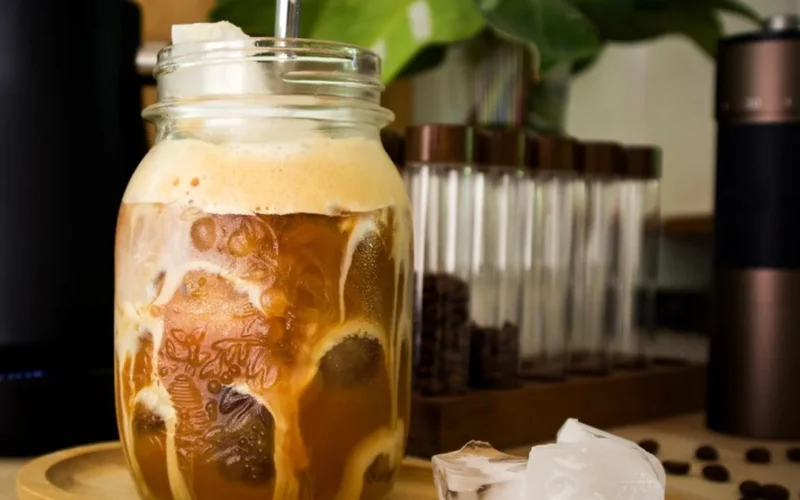
Real talk: cold foam has transitioned from a niche social media aesthetic into a fundamental driver of café profitability. While it may look like simple indulgence, the physics of the pour offers something much more valuable to operators: pricing power. By adding a light, silky layer of aerated cream to cold brews or matcha, shops can command a premium price point without the heavy overhead of complex new SKUs or specialized steaming equipment.
This significantly influences the experience of drinking the beverage, and can elevate through aroma, creaminess, and sweetness.
Texture as an Upsell
The appeal lies in how the product interacts with the beverage. Unlike whipped cream, which folds into a drink, cold foam sits atop the liquid, creating a distinct visual and textural boundary. This layering signals luxury to the consumer, turning a standard iced coffee into a curated experience. Social media trends support this shift; Spate found year-on-year interest in cold foam on TikTok grew by 105% in 2025, reflecting a massive digital appetite for the medium’s aesthetic appeal. This significantly influences the experience of drinking the beverage, and can elevate through aroma, creaminess, and sweetness. Rather than cutting costs, the strategy is about elevating the perceived value of existing inventory.
Operational Consistency
However, realizing these margins requires disciplined execution. Divya Jayashankar of Beachville Coffee Roasters notes that the challenge lies in serving high-quality foam consistently without letting the add-on slide into a gimmick. The market is also expanding beyond traditional dairy; Oatly recently launched its Barista Cold Foam into the UK wholesale market, marking a significant move for plant-based options. To protect margins, successful operators avoid treating it as a generic, made-to-order add-on. Instead, they integrate it into signature builds or utilize pre-batching to distribute labor costs effectively across service hours.
Does your menu treat cold foam as a strategic driver of value or merely a passing trend?
Questions & Answers
Why is cold foam considered a high-margin product for coffee shops?
Cold foam provides high margins because it allows operators to command premium prices without significant increases in overhead or complex equipment. By adding a layer of aerated cream to existing drinks like cold brew or matcha, shops increase the perceived value of their current inventory. This strategy leverages texture and visual appeal to justify an upsell rather than requiring expensive new product lines. It effectively turns standard beverages into luxury experiences through simple, low-cost additions.
How does cold foam impact the consumer drinking experience?
Cold foam enhances the drinking experience by creating a distinct textural and visual boundary between the cream and the liquid. Unlike whipped cream which dissolves into a drink, cold foam sits on top to offer a layered sensation that signals luxury. This interaction elevates the beverage through improved aroma, creaminess, and sweetness. The aesthetic appeal of these layers also drives massive digital engagement, as seen in the significant year-on-year growth of interest for the trend on social media platforms like TikTok.
What are the best ways for cafe operators to maintain operational consistency with cold foam?
Successful operators maintain consistency by integrating cold foam into signature drink builds or utilizing pre-batching techniques to manage labor costs. Rather than treating it as a generic, made-to-order add-on, these methods allow for efficient distribution of work across service hours. This disciplined execution prevents the product from becoming a gimmick and ensures high quality every time. Focusing on integrated menu items helps protect profit margins while ensuring that the foam remains a reliable part of the cafe's standard offerings.
What plant-based options are becoming available in the cold foam market?
The plant-based cold foam market is expanding through new wholesale product launches like Oatly's Barista Cold Foam. This move into markets such as the UK allows coffee shops to meet the growing demand for dairy-free alternatives without sacrificing texture or quality. Providing these specialized plant-based options helps operators cater to a wider demographic while maintaining the high-margin benefits of the cold foam trend. These developments signal that non-dairy creamers are becoming a permanent fixture in professional beverage service.
Originally reported by Perfect Daily Grind.



[…] are moving beyond simple black brews into nitro infusions, functional proteins, and complex milk-based formulas. However, translating a delicate café recipe into a stable, mass-produced beverage is where most […]
[…] aware of the full breadth of what you offer, whether it is a specific single-origin bean or a seasonal cold foam topping. Instead, I believe cafés should think about guiding customers. By framing recommendations as […]