Time to spill: The grape that made Germany’s wine scene legendary is here to redefine your taste buds. Riesling isn’t just a wine—it’s a masterclass in balance, where sweetness and acidity duel like two sides of the same coin. This week’s tasting challenge dives into the heart of why Riesling dominates German vineyards, turning the country into a global wine power.
Riesling’s magic lies in its relentless acidity, so sharp it could cut through a penny’s worth of sugar. Yet it’s this very trait that pairs with its honeyed sweetness to create wines that feel both thrilling and refined. While cheaper examples lean into syrupy indulgence, the best Rieslings—from the stony slopes of Saar to the Mosel’s famed slate-laden hills—showcase a spectrum from bone-dry to dessert-rich. The key? Acidity acts as the backbone, preventing sweetness from cloying and keeping the wine vibrant.
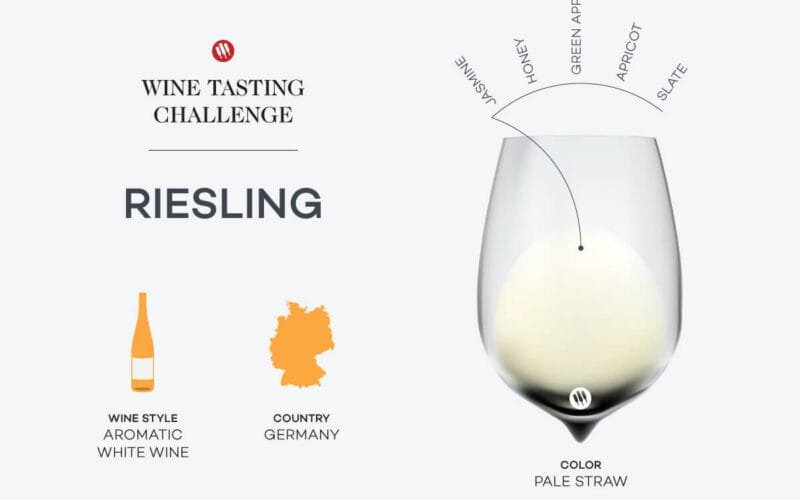
The Saar region’s Riesling is a case study in resilience. Growing in harsh, mineral-rich terrain, these grapes develop a crispness that’s almost impossible to replicate elsewhere. Our tasting bottle, a Kabinett, sits at the lower end of the sweetness ladder, yet it’s already a revelation. Light straw in color, it bursts with green apple, jasmine, and a whisper of slate. On the palate, the acidity hits first, a zing that’s both refreshing and precise, followed by a cascade of citrus, honey, and a hint of gasoline—a signature note in aged Rieslings.
This wine’s versatility is its greatest strength. Pair it with bratwurst, sesame chicken, or even a peanut butter sandwich, and you’ll unlock layers of flavor. But the real takeaway? Riesling’s success in Germany isn’t accidental. The cool climate coaxes out high acidity, making it the perfect canvas for both sweetness and structure. Whether you’re sipping a dry pour or a sweet dessert wine, the balance is everything.
Germany’s cooler climate is key to its signature crispness.
Key points: Acidity is Riesling’s defining trait, balancing sweetness without overwhelming it. Germany’s cooler climate is key to its signature crispness. The Kabinett classification is a gateway to exploring the wine’s full spectrum.
Close: What Riesling did you try? Sweet or dry? Share your favorite pairing—and let’s keep the conversation flowing.
Questions & Answers
What makes Riesling unique compared to other wines?
Riesling is known for its high acidity, aromatic complexity, and ability to age. It can range from dry to sweet, offering stone fruit, floral, and citrus notes.
How should I serve Riesling?
Serve Riesling chilled, 45–55°F, to enhance its acidity and aromatics. Pair with spicy, acidic, or fatty foods to balance its flavors.
Information sourced from industry reports and news outlets.