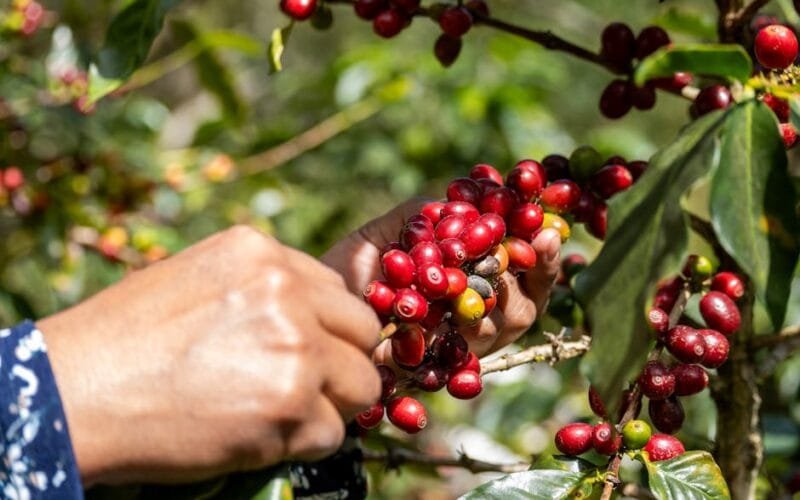
Real talk: The coffee world is at a crossroads. Global demand for specialty coffee is surging, yet producers face mounting pressure to meet higher standards while grappling with an aging workforce and rising costs. The USDA predicts record coffee production and consumption in 2025/26, but the specialty segment is outpacing the rest, with US consumption hitting a 14-year high and India’s market set to double by 2030. This shift isn’t just about numbers—it’s about redefining how coffee is grown, sold, and valued.
The problem isn’t just scarcity; it’s sustainability. Latin America’s coffee farmers, averaging over 50 years old, are nearing retirement, leaving younger generations to choose between traditional farming or the risky, resource-heavy path of specialty coffee. “Succession is critical,” says Sandra Moraes of Expocacer, a Brazilian cooperative. “Youth bring innovation—whether it’s controlled fermentations, sustainable practices, or data-driven decisions.” But without financial support, access to education, and infrastructure, these transitions stall.
Specialty coffee demands more than a better harvest. It requires a mindset shift. Producers must invest in time, technology, and training to refine processing methods, manage microclimates, and meet global quality benchmarks. “It’s not a hobby,” warns Wagner Brasileiro Ferrero of Fazenda Pântano. “It’s a business that rewards precision, patience, and long-term thinking.” Yet the risks are steep: higher costs, uncertain markets, and the pressure to constantly innovate. Without guaranteed access to buyers, many farmers can’t afford to experiment.
That’s where the real leverage lies. Direct trade and blockchain platforms are bridging gaps by offering transparency, fair pricing, and direct connections to roasters. Expocacer’s Coffee Chain platform, for instance, uses AI and blockchain to trace beans from farm to cup, ensuring producers get paid fairly while gaining visibility. “It’s about trust,” says Sandra. “Producers need partners who value their work and help them grow.”
– Long-term relationships with buyers enable innovation and financial stability.
Key points: – Direct trade and blockchain platforms create fairer, more transparent markets for producers. – Long-term relationships with buyers enable innovation and financial stability. – Technical support and education are critical for transitioning to specialty coffee.
What’s your take on how to bridge the gap between traditional practices and the future of specialty coffee? Share your thoughts below.
Questions & Answers
What incentives can attract coffee growers to specialty coffee?
Offer higher prices, long-term contracts, and premium branding. Provide training on quality practices and access to specialty markets.
How does fair trade help specialty coffee growers?
Fair trade ensures stable income, reduces price volatility, and supports sustainable farming. It also opens doors to premium markets and certifications.
Information sourced from industry reports and news outlets.