⏱ 1 min read
The Short Version
Glyphosate isn't a modern accident; it’s the result of decades of agricultural evolution driven by a pursuit of efficiency. What began as an indispensable tool for managing intensive vineyards has evolved into a polarizing battleground between industrial utility and regenerative land stewardship.
In This Article
Glyphosate has become one of the most polarizing topics discussed in digital wine circles today. While much of the online conversation focuses on immediate health concerns or environmental impact, the chemical’s presence in the vineyard is rooted in decades of agricultural evolution. Understanding its role requires looking past current headlines to see how it became an industry standard.
He goes back in time to find out where glyphosate came from and how it became what it is today.
From Lab to Vineyard
In the latest episode of “Wine 101,” host Keith Beavers investigates the origins and evolution of this controversial substance. Rather than viewing glyphosate as a modern accident, Beavers examines how its rise was tied to global shifts in agricultural efficiency. He goes back in time to find out where glyphosate came from and how it became what it is today. This investigation provides the necessary background to move beyond social media sentiment and toward a clearer understanding of the chemical’s history.
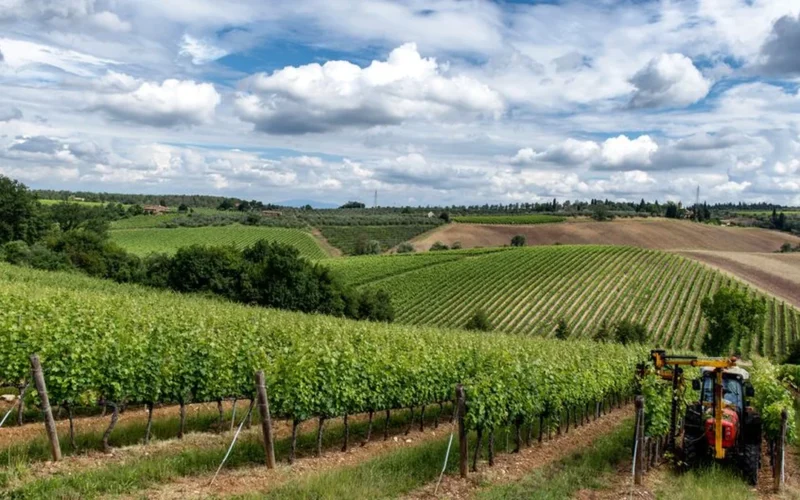
As viticulture moved toward more intensive production models, the need for reliable weed management grew. Glyphosate offered a solution that many producers found indispensable for maintaining clean rows and managing competition for nutrients. However, this convenience created a lasting dependency that now sits at the center of a massive debate regarding sustainability and organic integrity.
Navigating the Modern Debate
Today, the conversation has shifted from simple utility to intense scrutiny. The tension exists between traditional large-scale farming methods and the growing movement toward regenerative and organic viticulture. For many producers, the decision to use or eschew glyphosate is not just about chemistry, but about their fundamental philosophy of land stewardship.
While some argue for the necessity of such tools to ensure consistent yields, others view them as an affront to the natural balance required for high-quality wine production. As consumer awareness grows, the presence of these chemicals remains a primary driver in how drinkers choose to label and value certain bottles. The history of the chemical informs every modern argument made by both advocates and critics.
How much weight do you give to a producer’s herbicide use when choosing which bottles to buy?
Questions & Answers
Why did glyphosate become a standard tool in viticulture?
Glyphosate became an industry standard because it provided a reliable solution for weed management as vineyards transitioned toward more intensive production models. Producers found the chemical indispensable for maintaining clean rows and managing competition for essential nutrients between weeds and vines. This shift toward agricultural efficiency allowed for more consistent yields, though it ultimately created a lasting dependency that now sits at the center of modern debates regarding sustainability and organic integrity in the wine industry.
How does the use of glyphosate affect the debate over vineyard sustainability?
The use of glyphosate creates a fundamental tension between traditional large-scale farming methods and the growing movement toward regenerative and organic viticulture. For many producers, the choice to use this herbicide is a reflection of their core philosophy regarding land stewardship. While some argue these tools are necessary for consistent production, others believe they disrupt the natural balance required for high-quality wine. This conflict shapes how consumers value certain bottles based on their chemical presence.
What role does glyphosate play in modern wine consumer decisions?
Glyphosate serves as a primary driver in how modern drinkers choose to label and value specific bottles of wine. As consumer awareness regarding chemical use grows, the presence of herbicides becomes a significant factor in purchasing decisions. This shift in consumer sentiment means that the history and application of the chemical now inform the arguments made by both advocates and critics. Ultimately, the debate over its use influences how much weight drinkers give to a producer's farming practices.
How has the purpose of glyphosate evolved in the wine industry?
The role of glyphosate has evolved from a practical tool for agricultural efficiency into a highly polarizing topic of intense scrutiny. Originally adopted to help manage weeds and ensure nutrient availability during the move toward intensive production, it is now at the heart of discussions regarding environmental impact and health. The conversation has shifted from simple utility to a complex debate involving land stewardship, organic integrity, and the fundamental philosophy of how vineyards should be managed.
Originally reported by VinePair.