⏱ 2 min read
The Short Version
Quinta do Infantado broke the mold in 1979 as the first Douro producer to bottle Port directly at their estate. Today, the Roseira family leverages organic farming and precision wood aging to deliver everything from fruit-driven Rubies to their driest-ever LBV.
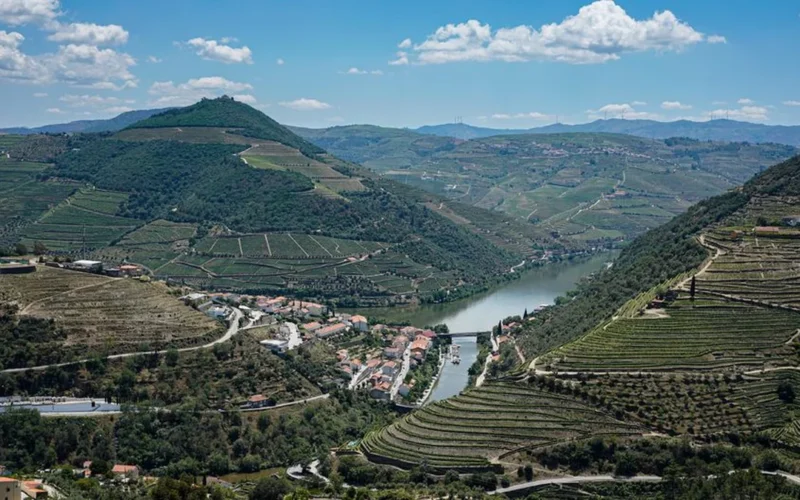
Quinta do Infantado made history in 1979 as the first producer in the Douro to bottle Port wines directly at their estate rather than sending them to Vila Nova de Gaia. While legal restrictions until 1986 forced many small producers to sell only domestically to avoid export hurdles, the Roseira family used that time to refine their craft and pioneer organic farming as early as 1990. Today, led by João Roseira and winemaker Álvaro Roseira, the estate manages 46 hectares in Covas de Douro, producing a portfolio where Port accounts for roughly 60% of total output.
Ripe, rich and fruit driven with lovely weight, showing some pepper spice, sweet cherries and plums and lovely refinement.
Precision across the Port spectrum
The recent lineup presented by UK importers Graft demonstrates a high level of technical control over diverse styles. The White Port NV is an intense, orange-gold blend of Gouveio, Rabigato, Viosinho, and Moscatel Galego, offering notes of mint and spice with significant complexity. In contrast, the Ruby Port NV—which João describes as his “Beaujolais Villages” Port—prioritizes fruit intensity through foot-treading whole bunches in lagar. Ripe, rich and fruit driven with lovely weight, showing some pepper spice, sweet cherries and plums and lovely refinement. For those seeking more structure, the 2021 Late Bottled Vintage stands out as the driest they have ever produced at just 50 g/l sugar, leaning into dried herbs and pepper.
Aging and vintage expression
The estate’s mastery of wood is evident in both its tawny expressions and its heavy hitters. The 2015 Vintage Port, sourced from old vines in Serra Douro and Serra de Baixo, delivers a serious, precise profile of black cherry and blackberry. Meanwhile, the Tawny offerings show how extended aging transforms field blends: the 10 Year Old presents spicy aniseed and white pepper, while the 20 Year Old offers a much finer, pale texture defined by almonds and oak spice. Whether it is the energy of the LBV or the textural depth of the aged Tawnies, Infantado relies on large, old wooden tanks to maintain balance without over-extraction. This consistent quality suggests that their move toward a new negociant arm will successfully carry the family legacy forward.
Do you prefer your Port to lean into the bright, primary fruit of a Ruby or the complex oxidation of an aged Tawny?
Questions & Answers
What makes Quinta do Infantado unique in the Douro region?
Quinta do Infantado is unique because it was the first producer in the Douro to bottle Port wines directly at their estate in 1979. Before this historical milestone, most producers had to send their wines to Vila Nova de Gaia for bottling. The estate has also been a pioneer in sustainable practices, having implemented organic farming methods as early as 1990. Today, the Roseira family manages 46 hectares in Covas de Douro to maintain this specialized production process.
How does the production process differ between Quinta do Infantado's White and Ruby Ports?
The production processes differ significantly to achieve distinct flavor profiles in each style. The White Port NV is an intense, complex blend of Gouveio, Rabigato, Viosinho, and Moscatel Galego that offers notes of mint and spice. In contrast, the Ruby Port NV focuses on maximizing fruit intensity through the traditional method of foot-treading whole bunches in a lagar. This specific technique results in a ripe, rich, and fruit-driven wine characterized by sweet cherries, plums, and a touch of pepper spice.
What are the flavor characteristics of Quinta do Infantado's aged Tawny Ports?
The aged Tawny Ports from Quinta do Infantado are defined by complex oxidation and wood influence. The 10 Year Old Tawny presents a profile of spicy aniseed and white pepper resulting from extended aging. The 20 Year Old Tawny offers a much finer, pale texture that is characterized by notes of almonds and oak spice. To achieve this balance and textural depth, the estate relies on the use of large, old wooden tanks which prevent over-extraction during the aging process.
Why is the 2021 Late Bottled Vintage Port considered different from other LBVs?
The 2021 Late Bottled Vintage Port is distinct because it is the driest version the estate has ever produced. It contains only 50 grams per liter of sugar, which sets it apart from more traditionally sweet styles. This lower sugar content allows the wine to lean more heavily into savory and structured notes, specifically highlighting dried herbs and pepper. This approach provides a more structured experience for drinkers who prefer less residual sweetness in their fortified wines.
Originally reported by Wine Anorak.