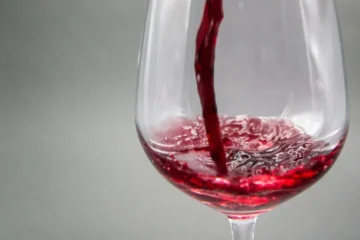
This might just change your routine: Natural wine isn’t just a trend—it’s a movement. When pitching a Gamay from Burgundy’s Côte de Nuits, you’re not just selling grapes; you’re offering a story of minimal intervention, terroir, and human hands. Start by framing it as a rare find. Highlight the region’s reputation for Pinot Noir, then pivot to the Gamay’s lighter body and vibrant acidity. Emphasize that it’s a “natural” product, meaning no added sulfites or heavy filtering—a stark contrast to conventional wines.
Target clients who value authenticity over polish. This isn’t for casual sippers; it’s for those who appreciate the rough edges of a bottle that’s been treated like a living thing. Think foodies, sommeliers, or collectors who crave transparency. Mention the winemaker’s philosophy—maybe they’ve embraced biodynamic practices or let the vines dictate the harvest. These details turn a product into a conversation.
Pricing natural wine is tricky. It’s not about cost but perception. A bottle from a small, respected producer can command double a conventional wine’s price. Explain that the higher cost reflects limited production, organic farming, and the winemaker’s commitment to purity. If a traditional Burgundy house dips into natural methods, frame it as a bold experiment. It’s not a compromise but a bridge between old-world tradition and modern minimalism.
The real magic? It’s not about perfection. Natural wine is about presence. The flaws, the funk, the earthy notes—all part of the process. This isn’t a guide to selling; it’s an invitation to sip with intention.
Target audiences who crave authenticity over polish.
KEY POINTS: Frame natural wine as a story of restraint, not gimmicks. Target audiences who crave authenticity over polish. Price based on reputation, not cost, and position conventional wineries’ natural ventures as bold experiments.
Close: Have you ever opened a natural wine and felt like you were tasting the land itself? Share your first experience in the comments.
Questions & Answers
What makes natural wine different from regular wine?
Natural wine uses minimal intervention, no added sulfites, and light filtering. It highlights terroir and winemaker philosophy, offering a raw, authentic experience unlike conventional wines.
Who should buy natural wine?
Natural wine appeals to foodies, sommeliers, and collectors who value transparency, authenticity, and a connection to the winemaker’s philosophy over polished presentation.
Information sourced from industry reports and news outlets.