This

Spain’s Rosado: A Pink Wine That Defies the French Norm

Spain’s Rosado: A Pink Wine That Defies the French Norm

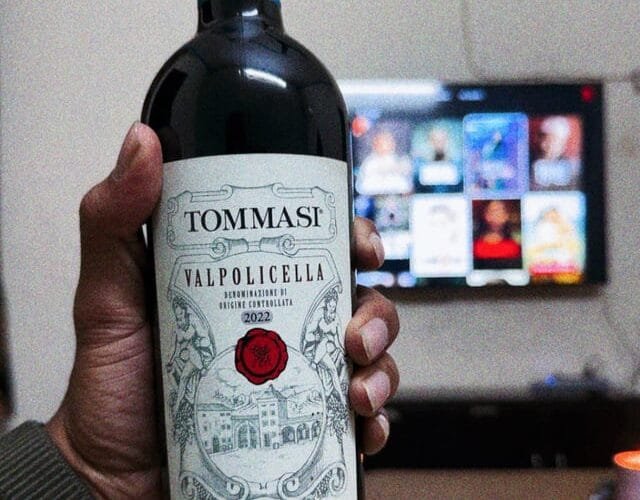
Coffee lovers, wine enthusiasts, tea devotees—step aside. There’s a rosé rewriting the rules, and it’s not from France. Spanish Rosado, a category as vibrant as its hue, is quietly upending the pink wine hierarchy. While Provence’s bubble-gum pinks dominate global shelves, Spain’s take is a revelation: a blend of boldness, brightness, and a touch of mischief. This week’s Tasting Challenge unearths why this wine deserves a seat at the table—and why it’s worth savoring beyond the usual suspects. The magic of Spanish Rosado lies in its grapes. Tempranillo, Garnacha, and Viura form a triumvirate that’s anything but ordinary. Tempranillo brings…
Read More
Why Your Honduras Mini Granja is Burning—and How to Fix It

Why Your Honduras Mini Granja is Burning—and How to Fix It

There’s something brewing in your roaster—something that’s turning your Honduras Mini Granja into a burnt note nightmare. You’re not alone. This coffee’s natural profile, with its sweet tannins and bright acidity, is being drowned out by a roast that’s pushing too far into the dark side. The problem isn’t the bean—it’s how you’re treating it. The key lies in the drying phase. You’re ramping up heat too early, forcing the roast into city+ territory before the first crack even happens. Natural coffees like Mini Granja need a slower, more deliberate approach. Think of it as a dance: you want to…
Read More
Batch Size and Roasting Phase Timing: Why There’s No One-Size-Fits-All Blueprint

Batch Size and Roasting Phase Timing: Why There’s No One-Size-Fits-All Blueprint

Here’s something to stir your curiosity: The way you roast coffee isn’t just about time—it’s about understanding how batch size shapes your roast’s journey. For specialty coffee, the relationship between batch volume and development phase duration is both intuitive and elusive. More coffee in the roaster means more heat to apply, slower heat transfer, and longer cooking times. Yet here’s the kicker: there’s no universal blueprint for development time. Two minutes post-first crack? Five seconds? Ten? The numbers mean nothing without context. This isn’t just about machines or profiles—it’s about the chaos of individual roasting realities. Rob Hoos and Scott…
Read More
Two-Month-Old Coffee Beans Are “At Peak”? Here’s Why That Doesn’t Add Up

Two-Month-Old Coffee Beans Are “At Peak”? Here’s Why That Doesn’t Add Up

Here's something to stir your curiosity: A coffee shop just defended selling beans that are two months old, claiming they’re at their "peak." But the customer’s experience suggests otherwise. The beans arrived post-roast, and while the shop insists degassing and aroma development make them optimal, the customer’s second batch tasted flatter than the first. This isn’t just a debate about timing—it’s a clash between science, perception, and the unspoken truth that coffee lovers crave immediacy. The shop’s explanation hinges on two technical points: degassing and aroma maturation. Freshly roasted beans release CO2, which can create a metallic or sour note…
Read More
The Hidden Melody Behind Ethiopian Coffee: How Laughter and Rhythm Shape Flavor

The Hidden Melody Behind Ethiopian Coffee: How Laughter and Rhythm Shape Flavor

In the misty highlands of Ethiopia, coffee isn’t just brewed—it’s sung. At Adola Washing Station, where the Guji region’s most celebrated coffees are born, the air hums with a different kind of holiday soundtrack. Instead of carols or Christmas cheer, workers sing as they sort beans, their voices weaving through the morning fog like a living rhythm. This isn’t performance art; it’s the heartbeat of a process that turns raw beans into something far more than a commodity. It’s a testament to how Ethiopia’s coffee culture has always thrived on more than just technique—it’s built on sound, laughter, and the…
Read More
Sanremo’s IoT Revolution: Coffee Tech That Smarts Up Your Brew

Sanremo’s IoT Revolution: Coffee Tech That Smarts Up Your Brew

This might just change your routine: Sanremo’s new IoT platform isn’t just a tech gimmick—it’s a game-changer for coffee pros. The Italian brand’s Sanremo IoT system lets baristas, managers, and technicians control espresso machines remotely, from phones or web browsers. Imagine tweaking grind settings or checking maintenance alerts without lifting a finger. The platform, launched at HostMilano 2025, pairs with Sanremo’s D8 machines and expands to future models, offering cloud-based access to performance data, recipes, and service tools. The real kicker? Sanremo’s Machine-to-Grinder Link ecosystem now syncs with select Mahlkönig grinders, turning extraction data into actionable adjustments. Depending on the…
Read More
Global Coffee Awards Crown Origin Roasters as Global Champions

Global Coffee Awards Crown Origin Roasters as Global Champions

The Global Coffee Awards just crowned the top roasters from coffee-producing countries, proving that excellence isn’t confined to major markets. Held in Houston, Texas, the Origin edition of the GCA blind-tasted hundreds of roasts across filter, espresso, and milk-based categories, offering actionable feedback to all participants. This isn’t just about bragging rights—it’s about reshaping how coffee is valued, from farm to cup. The GCA’s regional format is a game-changer. By spotlighting roasters in producing countries, it challenges the industry’s traditional focus on consuming nations. “We’re not just judging coffee—we’re validating the expertise of roasters who’ve long been overlooked,” says Henry…
Read More
Coffee Prices Set to Climb as 2025/26 Deficit Looms

Coffee Prices Set to Climb as 2025/26 Deficit Looms

Time to spill: Coffee prices are about to hit a new high. The USDA just warned of a global deficit in 2025/26, and Brazil’s coffee exports are already tanking. With tariffs chewing 50% off US shipments and port delays costing R$8.7m in October alone, the writing’s on the wall. This isn’t just another market hiccup—it’s a full-blown crisis for growers and roasters alike. The numbers don’t lie. Brazil, the world’s largest coffee producer, saw exports drop 21% in the first half of 2025. That’s not a typo—it’s a 21% plunge. Cecafé’s data shows the pain is real, and it’s not…
Read More
Europe’s Best Roasters Crowned at Global Coffee Awards

Europe’s Best Roasters Crowned at Global Coffee Awards

Time to spill: Europe’s top roasters just got a global spotlight—and the results are as bold as the brews they serve. The Global Coffee Awards (GCA) European edition, held in Bordeaux in October 2025, crowned winners across 25 countries, from Belgium to the UK, in a blind-tasting showdown that blends precision and passion. This isn’t just about trophies—it’s about redefining how coffee is judged, sold, and celebrated. The competition’s genius lies in its balance of rigor and inclusivity. Judges, including Q graders and SCA coordinators, evaluated roasters on everything from aroma to acidity, using a scoring system that mirrors real-world…
Read More
Light Roast Mastery: Can the Skywalker V1 Unlock Fruity Magic in Costa Rican Solis?

Light Roast Mastery: Can the Skywalker V1 Unlock Fruity Magic in Costa Rican Solis?

The verdict is in: Light roasts are the ultimate fruit-forward battleground, and the Skywalker V1 is your secret weapon. This Costa Rican Solis honey-processed green coffee isn’t just another bean—it’s a rare opportunity to amplify its natural sweetness and acidity, but only if you nail the timing. Your plan hinges on precision, and the question isn’t whether it’ll work—it’s how well you execute the dance between heat and control. Start with the preheat: 190C is aggressive, but it’s necessary to stabilize the roast. The drying phase at 140-150C with 70% power and 50% fan is spot-on. This range locks in…
Read More