This

Cold Brew or Hot Brew? The Iced Tea Dilemma

Cold Brew or Hot Brew? The Iced Tea Dilemma

If you’re wondering whether iced tea needs to be hot first, the answer isn’t black and white—but the difference matters. Cold-infused tea and hot-then-iced methods yield distinct results, shaped by temperature, time, and the tea’s natural profile. The key is understanding how each approach unlocks flavor, aroma, and clarity. Hot brewing first is the classic route. Steep loose-leaf tea in hot water (170–185°F) for 3–5 minutes, then chill by adding ice. This method extracts bold, robust notes—ideal for black teas, oolongs, or strong earl grey. The heat releases tannins and body, creating a rich base that ice dilutes without muddying…
Read More
The Alchemy of Oxidation: How Oolong Tea Transforms Flavor

The Alchemy of Oxidation: How Oolong Tea Transforms Flavor

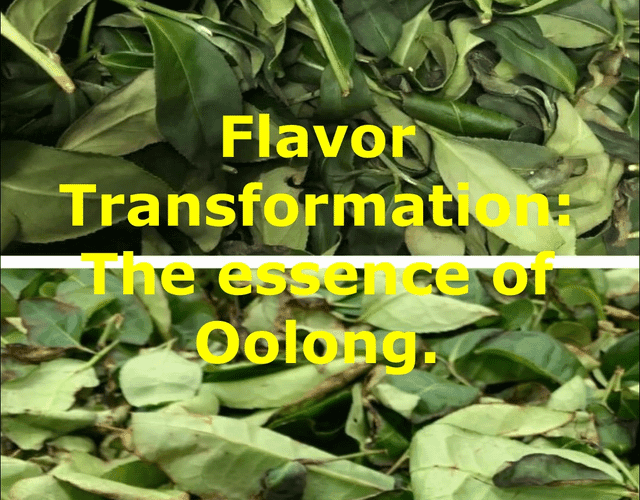
Listen up: Oolong tea isn’t just a drink—it’s a biochemical experiment in motion. The way its flavor evolves from one cup to the next hinges on a single, precise process: oxidation control. By manipulating how long leaves are exposed to air, artisans coax out profiles that range from delicate orchid florals to bold, ripe peach tones. This isn’t magic—it’s science, refined to art. At the heart of this transformation is hydro management during withering. Temperature, humidity, and flipping frequency aren’t just variables; they’re levers that dictate moisture release and enzyme activity. Imagine the leaf as a living organism: its cells…
Read More
The Mysterious Chinese Tea Set That’s Got Me Curious

The Mysterious Chinese Tea Set That’s Got Me Curious

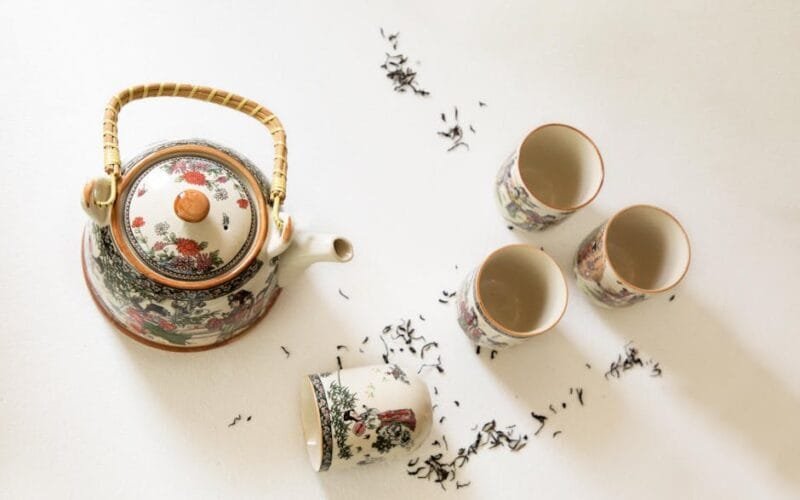
If you’ve ever stared at a tea set and wondered if it’s more than meets the eye, you’re not alone. This particular set—crafted with a lidded cup, a tea pet, and a fabric-lined lid—has me questioning whether it’s a relic of tradition or a modern enigma. The tea pet alone suggests a ritual, but the absence of familiar components like a gaiwan or yixing clay pot throws me off. Is this a simplified version of a practice I’ve never encountered? Or is it a hybrid of old and new, designed for a different kind of tea experience? Traditional Chinese tea…
Read More
A Russian Tea Lover Seeks Kindred Spirits in the US

A Russian Tea Lover Seeks Kindred Spirits in the US

This might just change your routine: Imagine a world where tea isn’t a commodity but a ritual, where every steeped leaf tells a story. In Russia, a growing tribe of tea enthusiasts has turned away from mass-produced bags and embraced the art of real leaf tea—White tea’s delicate bloom, Puerh’s earthy depth, and the quiet reverence of a properly brewed cup. Now, a Russian tea devotee is asking: Does this same passion exist across the Atlantic? The Russian tea community, self-described as “Tea Drinkers” (ЧП / PE), has carved out a niche in a market dominated by instant mixes. They…
Read More
The Quiet Revolution of Natural Wines in 2026

The Quiet Revolution of Natural Wines in 2026

This is worth savoring: The natural wine movement isn’t just a trend—it’s a quiet revolution. As 2026 unfolds, the term “natural” has evolved from a niche label to a cultural touchstone, redefining what it means to drink wine. But does the word itself carry too much weight? Or is it a gateway to something deeper? At its core, natural wine is about restraint—a philosophy that rejects over-extraction, synthetic additives, and rigid control. Instead, it embraces the chaos of nature, letting terroir, yeast, and human intuition shape the final product. The appeal lies in the paradox: natural wines are both unpredictable…
Read More
The Art of Balance: Sebastián Labbé’s Philosophy of Winemaking

The Art of Balance: Sebastián Labbé’s Philosophy of Winemaking

In the world of high-end wine, few names command as much respect as Sebastián Labbé. As head winemaker for Chile’s Viña Santa Rita, he’s redefining what it means to craft wines that speak volumes about place, not ego. His journey—from New Zealand’s vineyards to the sun-drenched slopes of Chile—has shaped a philosophy rooted in humility, patience, and a reverence for nature. Labbé’s work isn’t just about making great wine; it’s about creating moments that linger long after the last sip. Labbé’s approach is a masterclass in restraint. He learned early that harmony trumps perfection, a lesson etched from his father’s…
Read More
The Silverskin Mystery: Why Your Roasts Keep Turning Dark

The Silverskin Mystery: Why Your Roasts Keep Turning Dark

Pour yourself a cup for this one: You’re chasing perfection in your home roast, yet your beans keep emerging dark, no matter how precise your timing. The culprit? Silverskin. This thin, papery layer clings to green coffee like a stubborn shadow, and if you’re not removing it, you’re fighting the roast itself. Silverskin is the outermost layer of the bean, a natural protective shell that hardens during drying. While some roasters leave it intact, others strip it away for consistency. Your beans, however, are still clinging to it—likely because hulling isn’t fully removing the layer. This film acts as an…
Read More
The Coffee Harvest of 2026: Tracing the Beans Behind Your Brew

The Coffee Harvest of 2026: Tracing the Beans Behind Your Brew

Real talk: The coffee you sip each morning isn’t just a bean—it’s a global story unfolding in 2026. From high-altitude Ethiopian farms to the misty slopes of Colombia, the coffee harvest is a delicate dance between tradition, climate, and commerce. This year’s crop is shaped by rising temperatures, shifting rainfall patterns, and a growing demand for ethically sourced beans. What does that mean for your morning cup? Let’s cut through the noise. The 2026 harvest is defined by two extremes: drought in key growing regions and a surge in sustainable farming practices. In Ethiopia, where Arabica beans thrive in cool,…
Read More
The Double Shot Dose Debate: Why Your Ratio Might Be Off

The Double Shot Dose Debate: Why Your Ratio Might Be Off

This might just change your routine: The way you measure espresso isn’t just about math—it’s about how your machine, your grind, and your palate interact. If you’re hitting a double shot with 15g of coffee and 57g of water, you’re already in a tricky spot. The ratio you’re using—3.8:1—is technically correct for a double, but it’s also the kind of ratio that makes baristas groan. The real question isn’t whether it’s weak, but whether you’re measuring the right thing. The confusion stems from two schools of thought. One camp insists ratios should be based on the total water used for…
Read More
Behind the Beans: A Rare Look at the Coffee Industry’s Inner Circle

Behind the Beans: A Rare Look at the Coffee Industry’s Inner Circle

If you’ve ever wondered what goes on behind the scenes in the coffee world—beyond the roast, the brew, and the cup—you’re not alone. The industry’s inner circle is a mix of passionate growers, meticulous roasters, and curious consumers, all navigating a complex web of tradition, innovation, and ethical stakes. This rare glimpse into their world reveals how coffee isn’t just a drink but a global conversation shaped by hands, stories, and systems. At the heart of it all is sourcing. The beans you sip often trace back to small farms in Colombia, Ethiopia, or Indonesia, where climate, soil, and labor…
Read More