This

Crimson Lotus Tea 2024: A Vibrant Raw Puerh Under the Emerald Sea

Crimson Lotus Tea 2024: A Vibrant Raw Puerh Under the Emerald Sea

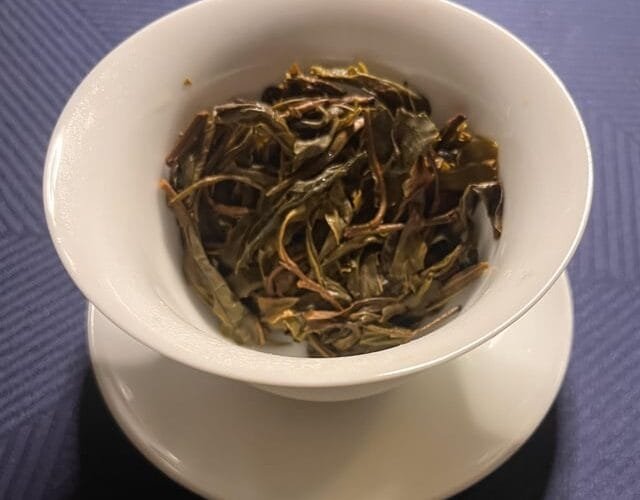
Here’s what you need to know about a raw puerh that defies its age. Crimson Lotus Tea 2024, sourced from the emerald depths of its origin, delivers a sensory journey that’s both unexpected and intoxicating. At just two years old, this sheng puerh surprises with its brightness, balancing fruit-forward sweetness against a bitterness that’s more nuanced than aggressive. The tea’s evolution across steepings reveals layers that feel like a conversation unfolding—each sip revealing new details. The first steeping is a fleeting dance of dry hay and berry-floral notes, with a vanilla cream finish that lingers like a whisper. By the…
Read More
The No Man’s Land of Yiwu: A Puerh Revelation

The No Man’s Land of Yiwu: A Puerh Revelation

Pour yourself a cup for this one: This Yiwu blend from One River Tea isn’t just another puerh—it’s a masterclass in balance, unfolding like a slow-burn story across eight steeps. The tea’s journey begins with a dry leaf aroma of tobacco, burnt sugar, and leather, hinting at the depth to come. But the real magic happens when you warm the gaiwan: the tobacco notes evolve into a concentrated sweetness, while stone fruits like plum and mango emerge, their richness layered over a bed of earthy complexity. What sets this apart is the seamless blending of Gua Feng Zhai and surrounding…
Read More
Alpine Wines of Alto Adige: Where Snowmelt and Sport Converge

Alpine Wines of Alto Adige: Where Snowmelt and Sport Converge

The snow that blanketed the Dolomites last winter wasn’t just good for bobsledders—it was a boon for winemakers. In the shadow of Cortina’s Olympic venues, Alto Adige’s vineyards rely on melting glaciers to sustain their high-altitude viticulture. This region, a crossroads of Tyrolean heritage and Italian ambition, produces wines that mirror the endurance of its mountainous landscape. Snow isn’t just a seasonal spectacle here; it’s a vital ingredient in the alchemy of Alpine viticulture. Alto Adige’s winemakers harness snowmelt to irrigate vines, ensuring resilience against summer droughts. The region’s extreme climate—where summer days blister and nights plunge to near freezing—creates…
Read More
Tommasi Wine Delivers Unexpected Smoothness

Tommasi Wine Delivers Unexpected Smoothness

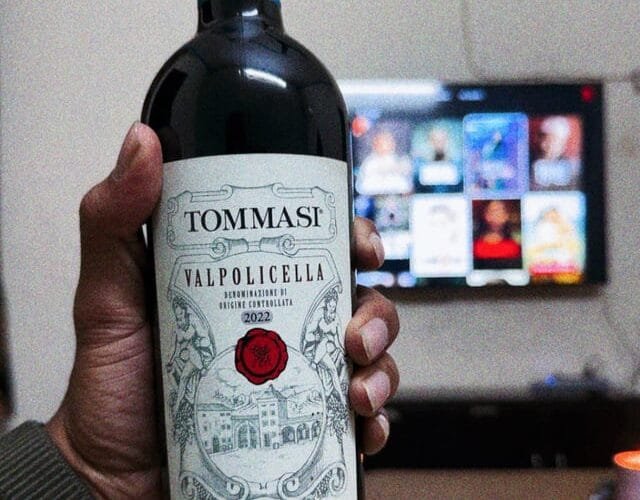
Here’s what you need to know: Tommasi isn’t just another wine—it’s a quiet revelation. My first sip revealed a texture so refined it felt like a whispered promise. No aggressive tannins, no overbearing fruitiness. Just a seamless blend of ripe berries, toasted oak, and a whisper of cinnamon that lingers like a secret. This isn’t the kind of wine you analyze; it’s the kind you let settle into your bones. What makes Tommasi stand out is its effortless balance. The body feels weightless, yet anchored by a core of acidity that keeps it from feeling insipid. Think of it as…
Read More
A New Chapter in Chilean Winemaking: VIK 2022’s Sustainable Evolution

A New Chapter in Chilean Winemaking: VIK 2022’s Sustainable Evolution

At a masterclass in Shanghai, VIK 2022 emerged as a standout, blending Chilean terroir with cutting-edge sustainability. The 2022 vintage, crafted in Millahue’s Cachapoal Valley, redefines what it means to age wine in harmony with the land. Cooler than average seasons and persistent winds slowed ripening, preserving vibrant acidity and complex aromas. Yet the true innovation lies in how the wine was made—not just where. VIK’s circular winemaking philosophy marks a seismic shift. The 2022 blend—79% Cabernet Franc, 21% Cabernet Sauvignon—was aged in barrels made from 300-year-old oak fallen naturally on VIK’s estate. The team’s pilgrimage to France refined their…
Read More
The Tasting Challenge Unveils Austrian Zweigelt’s Bold Character

The Tasting Challenge Unveils Austrian Zweigelt’s Bold Character

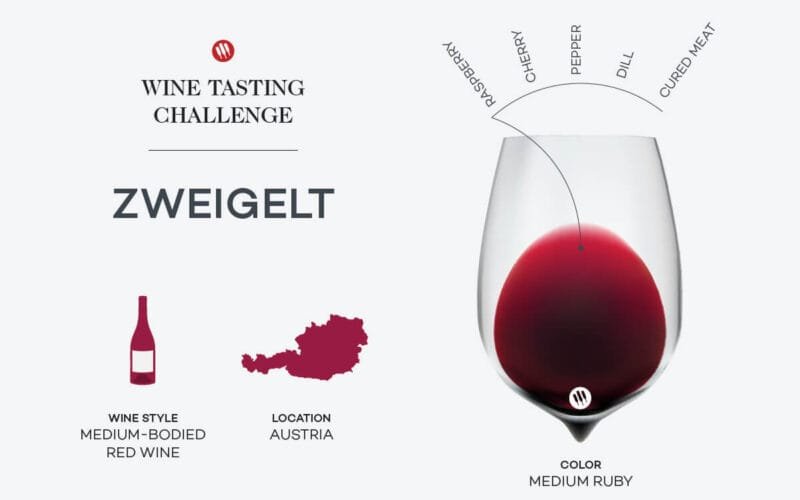
Real talk: If you’ve ever wondered how red wine can defy expectations, Austrian Zweigelt is your answer. This week’s Tasting Challenge bottle defies the usual playbook—no velvety tannins, no heavy oak, just a punch of acidity and red fruit that feels like a revelation. Zweigelt isn’t just a grape; it’s a statement. Born in Austria’s Burgenland region, it thrives in a climate that balances warmth and coolness, crafting wines that are both vibrant and structured. The result? A drink that’s equal parts tart and tender, with a finish that lingers like a whisper of dark chocolate. The magic of Zweigelt…
Read More
The Rise of Multi-Roaster Cafés: How They’re Reshaping the Coffee World

The Rise of Multi-Roaster Cafés: How They’re Reshaping the Coffee World

This is worth savoring: The coffee world is evolving, and multi-roaster cafés are leading the charge. These shops, which rotate coffee from multiple roasters daily, are redefining how consumers engage with specialty coffee—and how operators and roasters collaborate. For drinkers, it’s an invitation to taste beans from roasters they’d otherwise never encounter. For cafés, it’s a strategic move to stand out in a saturated market. For roasters, it’s a chance to amplify their reach. But the model isn’t without friction. Multi-roaster cafés thrive on variety, but balance is key. Some rotate entirely, swapping roasters every two weeks to create anticipation.…
Read More
The Premium Coffee Mirage in Coffee-Producing Countries

The Premium Coffee Mirage in Coffee-Producing Countries

Let’s talk about the coffee you’re not actually drinking. In coffee-producing regions, the line between premium and poor quality is blurred by a simple truth: the best beans are exported, while the rest are repurposed. Local roasters and shops often sell what’s left as “organic premium,” charging prices that don’t match the product. A 12-ounce bag of “fresh ground” coffee in Mexico costs around $5, yet it’s not the same as the beans shipped to specialty markets. This isn’t just a pricing issue—it’s a systemic problem where quality is sacrificed for profit. The reality is stark: big coffee companies buy…
Read More
Mastering the Roast: How to Bring Out Flavor in Washed Guatemalan Huehuetenango

Mastering the Roast: How to Bring Out Flavor in Washed Guatemalan Huehuetenango

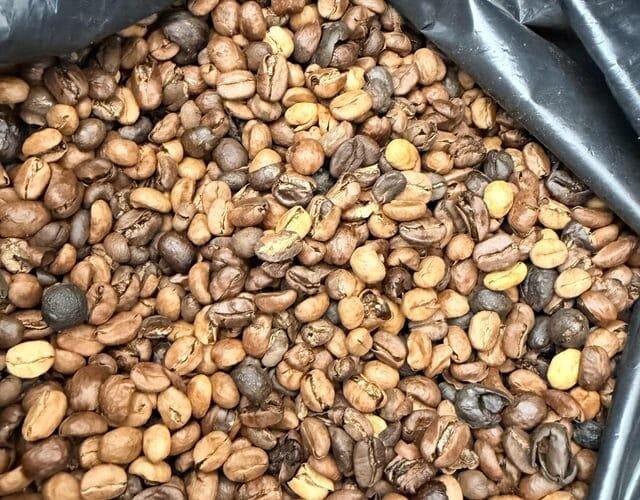
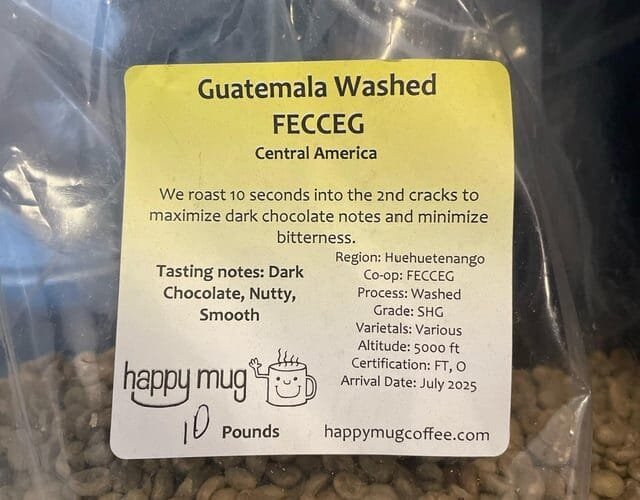
This might just change your routine: If you’re struggling to coax flavor from washed Guatamalan Huehuetenango on your R1 bullet, you’re not alone. The bean’s bright acidity and citrus-forward profile are notoriously tricky to highlight, especially when the roast feels flat. But the solution lies in precision—not just with heat, but with timing and technique. Washed Huehuetenango thrives on clarity. Its clean, vibrant notes of lemon zest, stone fruit, and a whisper of cocoa demand a roast that’s deliberate, not aggressive. The R1 bullet’s consistent heat is a plus, but without fine-tuning, it can flatten the bean’s natural brightness. Start…
Read More
Is Your Roast’s Line Too Light? Decoding the Mystery of Medium Roasts

Is Your Roast’s Line Too Light? Decoding the Mystery of Medium Roasts

There's something brewing in your kitchen—literally. You’ve taken the plunge into home roasting, chasing that perfect cup of coffee, but now you’re staring at a batch of beans that look like they’ve been through a storm. The line is lighter than expected, the outside darkens faster than a summer storm, and you’re left wondering: is this a sign of underdevelopment, or just the natural rhythm of the roast? Let’s cut through the confusion. When you roast coffee, the “line” refers to the point where the bean’s outer shell cracks open, signaling the start of the first crack. This is the…
Read More