Chardonnay

A New Wave of Chinese Wine: Domaine Gyalthang’s Chardonnay Flor

A New Wave of Chinese Wine: Domaine Gyalthang’s Chardonnay Flor

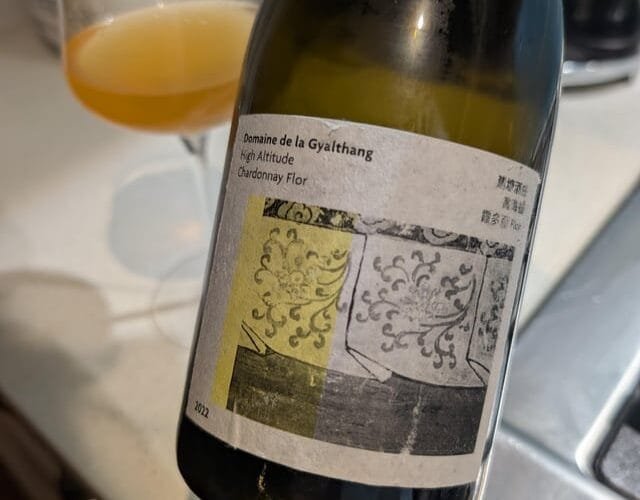
Here’s what you need to know: China’s wine scene is evolving faster than you think, and one standout is Domaine Gyalthang’s Chardonnay Flor. Crafted by nomadic winemaker Ian Dai, this wine isn’t just a product—it’s a statement. Dai, who works across six provinces, blends wild, unfiltered terroir with precision, creating a style that’s both rooted in tradition and daringly modern. The Chardonnay Flor, 100% from Yunnan’s Shangri-La region, is a masterclass in restraint and texture. The wine spends 14 days on skins, a technique that adds depth without overpowering, then ages 12 months in neutral oak. The real magic? A…
Read More
Chalone’s Closure: A Winemaker’s Reflection on Legacy and Loss

Chalone’s Closure: A Winemaker’s Reflection on Legacy and Loss

Here’s something to stir your curiosity: When Chalone Winery shuttered its Pinnacles operations, it wasn’t just a vineyard closing—it was a seismic shift in a landscape already grappling with a bear market. For years, Chalone’s reputation for pristine Chardonnay and mineral-driven Pinot Noir made it a standout in Monterey County. Now, its production is being relocated, and its former winemaker, Greg Freeman, is left to reckon with the weight of a decision that feels less like a business move and more like a reckoning. Freeman’s tenure at Chalone was defined by a rare blend of artistry and autonomy. Since joining…
Read More
The Chardonnay Paradox: Why California’s Wines Are Rewriting the Rules

The Chardonnay Paradox: Why California’s Wines Are Rewriting the Rules

Chardonnay is the wine world’s most contentious grape—so why is it still the star of the show? For decades, it’s been the subject of disdain, mocked for its buttery, vanilla-drenched profiles. Yet here we are, still sipping it, still debating its merits. The truth? Chardonnay isn’t a monolith. It’s a chameleon, and the right bottle can turn critics into fans. Take this Lake County example: a wine that defies the stereotype. The problem with Chardonnay isn’t the grape itself—it’s how it’s been co-opted. Corporate labels have turned it into a flavor factory, drowning its natural character in oak and caramel.…
Read More
Wine Experts Pick the Best Under-$50 Bottles for Every Palate

Wine Experts Pick the Best Under-$50 Bottles for Every Palate

Here’s something to stir your curiosity: If you’re hunting for wines that deliver without the premium price tag, sommeliers have a few favorites that prove great wine doesn’t have to break the bank. From crisp sparklers to bold reds, these picks balance quality, flavor, and affordability—perfect for anyone who wants to elevate their glass without overspending. Sparkling wines often feel like a luxury, but the Gruet Brut Sparkling Rosé defies that stereotype. Laurie Forster of The Wine Coach raves about its “racy acidity” and “crushable” appeal, calling it a standout for its fresh red berry notes and crisp finish. Produced…
Read More
Oregon’s Wine Scene Evolves: Pinot’s Reign Faces a New Rival

Oregon’s Wine Scene Evolves: Pinot’s Reign Faces a New Rival

This is worth savoring: Oregon’s wine world is shifting, and Pinot Noir’s dominance is under threat. At Farringdon’s Old Session House, a recent tasting revealed a quiet revolution in the Pacific Northwest. While Pinot Noir remains king—accounting for 59% of plantings—Chardonnay’s ascent is undeniable. Margaret Bray, Oregon Wine’s international marketing director, noted that Chardonnay’s plantings are climbing, driven by economics, quality improvements, and the rise of sparkling wine. “Pinot Gris and Chardonnay could flip rankings soon,” she said, hinting at a future where the latter’s global appeal might eclipse the former’s. The tasting showcased Oregon’s versatility beyond its signature trio.…
Read More
Storing Natural Wines: A Cold Cabinet Conundrum

Storing Natural Wines: A Cold Cabinet Conundrum

If you’ve ever wondered how to preserve natural wines without a cellar, you’re not alone. These unfiltered, minimally processed bottles are delicate beasts—prone to oxidation, temperature swings, and the slow unraveling of their wild, untamed character. The question isn’t just about keeping them safe; it’s about holding onto their essence. Take the Chardonnay en quatre vis from Marnes Blanches you’ve had in your cabinet for months. Is that bottle still singing? Or has the warmth of your home turned it into a muted echo? Natural wines thrive in controlled environments, but your kitchen isn’t a wine vault. Temperatures above 20°C…
Read More
A 25-Year-Old Chardonnay’s Quiet Revelation

A 25-Year-Old Chardonnay’s Quiet Revelation

Time to spill: A bottle of Mayacamas Chardonnay, buried in a fridge for two decades, emerged as a lesson in patience and the alchemy of time. Tasted recently, it delivered a nose of peaches, orange zest, and caramel, with a whisper of toffee. On the palate, it unfolded into a tapestry of green apple, almond, and that elusive balance between sweetness and acidity. It wasn’t vinegar—just a wine that had matured into something unexpected. The key? It wasn’t about forceful tannins or bold fruit; it was about the quiet evolution of flavors, letting the oak and terroir speak through the…
Read More
The Wine Buying Guide: Reds, Whites, and Rosé That Define the Year

The Wine Buying Guide: Reds, Whites, and Rosé That Define the Year

Real talk: 2020’s best wines are already in your glass. Whether you’re chasing boldness, nuance, or a splash of summer, this year’s vintages are shaped by terroir, tradition, and a few rebellious twists. From volcanic soils to oak-aged Chardonnay, the 2020 lineup is a masterclass in balance. Reds reign supreme in their ability to tell stories. Syrah from McLaren Vale and Barossa Valley delivers smoky, meaty richness, while Napa’s Grenache-driven blends pack raspberry sweetness with a scorched-earth edge. In Tuscany, Merlot-Cabernet Franc blends from Pomerol and Saint-Emilion quietly outshine Left Bank powerhouses, offering leathery spice and dark fruit. For Malbec…
Read More
Champagne Decoded: Sweetness, Grapes, and the Art of Sabering

Champagne Decoded: Sweetness, Grapes, and the Art of Sabering

If you’ve ever wondered why your Champagne tastes like a citrusy pastry or why some bottles cost a fortune, you’re not alone. Champagne’s reputation as a luxury drink is matched only by its complexity—and confusion. From sweetness levels to grape blends, this sparkling wine is a puzzle worth solving. Let’s cut through the fluff and get to the real story. Champagne’s sweetness isn’t just about sugar; it’s a precise scale. Brut means bone-dry, while Demi-Sec leans sweet, but the numbers matter. A Brut Nature has less than 6 grams of sugar per liter, while Doux can hit 120+ grams. The…
Read More
Lobster’s Wine Matchmaker: Why White Reigns, Reds Dare, and Sparkling Shines

Lobster’s Wine Matchmaker: Why White Reigns, Reds Dare, and Sparkling Shines

Lobster is a finicky guest at the dinner table—its delicate sweetness and buttery richness demand a partner that complements, not competes. Serve it with the wrong wine, and you risk drowning out its natural elegance. The solution? A white wine that balances the dish’s opulence with precision. White wines dominate the pairing landscape for lobster, and for good reason. Chardonnays, with their creamy textures or zesty acidity, are a safe bet. A California Chardonnay’s buttery finish mirrors the lobster’s sauce, while a steely Chablis or unoaked Pinot Gris cuts through the richness like a lemon zest. For grilled lobster or…
Read More