
Why Certain Years Dominate Puer Tea Markets
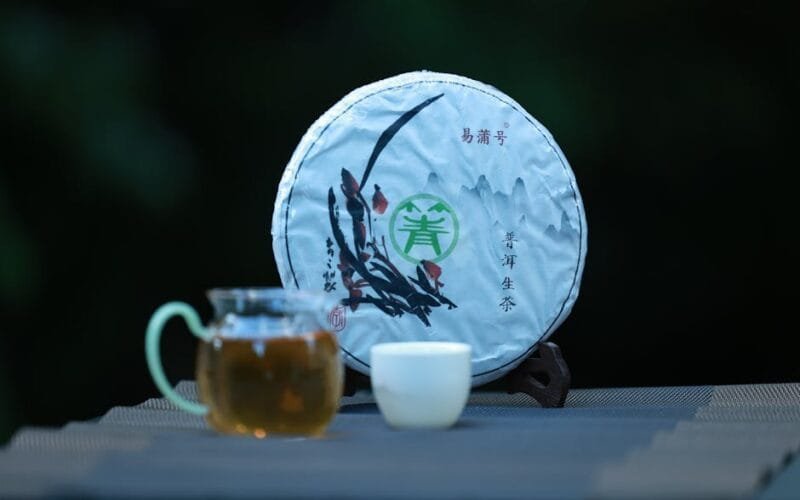
Here’s what you need to know about the curious pattern in puer tea vintages. If you’re diving into aged puer, you’ve likely noticed a strange trend: decades-old teas from 2007, 2010-11, and 2016-17 seem to dominate listings. Is this a coincidence, or does it reveal something about how these teas are produced, aged, and sold? The answer lies in a mix of natural conditions, market forces, and human decisions. The years in question often align with periods of stable climate and favorable harvests. For example, 2007 saw unusually warm temperatures in Yunnan, which accelerated tea growth and created a surplus.…