Alto

Alpine Wines of Alto Adige: Where Snowmelt and Sport Converge

Alpine Wines of Alto Adige: Where Snowmelt and Sport Converge

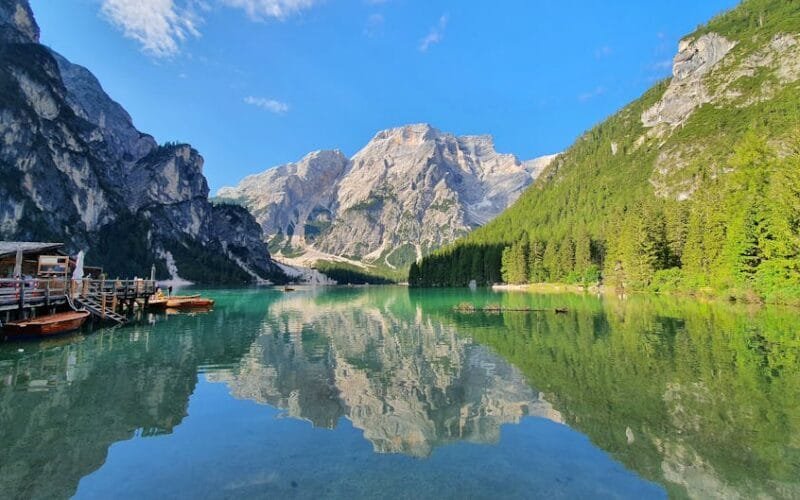
The snow that blanketed the Dolomites last winter wasn’t just good for bobsledders—it was a boon for winemakers. In the shadow of Cortina’s Olympic venues, Alto Adige’s vineyards rely on melting glaciers to sustain their high-altitude viticulture. This region, a crossroads of Tyrolean heritage and Italian ambition, produces wines that mirror the endurance of its mountainous landscape. Snow isn’t just a seasonal spectacle here; it’s a vital ingredient in the alchemy of Alpine viticulture. Alto Adige’s winemakers harness snowmelt to irrigate vines, ensuring resilience against summer droughts. The region’s extreme climate—where summer days blister and nights plunge to near freezing—creates…
Read More
Alpine Elegance: South Tyrol’s Secret Wine Destination

Alpine Elegance: South Tyrol’s Secret Wine Destination

Let’s talk about the Alpine wine scene that’s slipping under the radar. While the French Alps dominate winter tourism with their high-octane après-ski and rosé-fueled festivals, South Tyrol is quietly redefining Alpine luxury with a blend of premium wines, cultural depth, and seamless mountain access. Tucked into Italy’s northernmost corner, bordering Austria and Switzerland, this region offers a rare convergence of wine, food, culture, and mountain access. Unlike the spectacle of the French Alps, South Tyrol prioritizes considered luxury—where skiing, city life, and serious wine culture coexist with surprising ease. Bolzano, the region’s capital, epitomizes this balance. Compact and historic,…
Read More
How to Calculate Shelf Life for Cold Brew Without Pasteurization

How to Calculate Shelf Life for Cold Brew Without Pasteurization

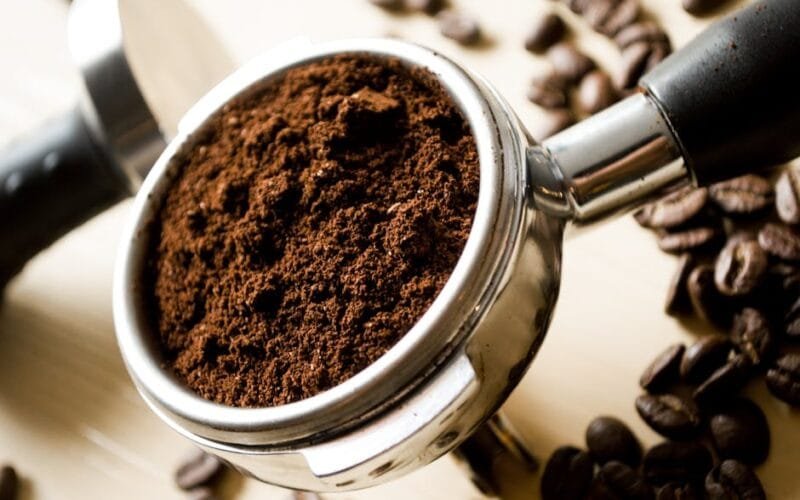
Here’s what you need to know: Cold brew’s shelf life isn’t just about time—it’s a science of safety and sensory clarity. For small-batch cold brew, refrigeration is your best ally, but without pasteurization, you’re balancing risk and reward. The goal? To nail a “best by” date that keeps your product safe, flavorful, and compliant until you scale up. Start by understanding the variables: temperature, ingredients, and packaging all play roles. Refrigeration slows microbial growth, but it doesn’t stop it entirely. Cold brew’s low acidity and high caffeine content create a unique environment—some bacteria and molds thrive in those conditions. To…
Read More
Mastering Light Roasts on the Huky 500: A Roaster’s Dilemma

Mastering Light Roasts on the Huky 500: A Roaster’s Dilemma

The Huky 500 is a beast of a roaster—until you try to coax it into a light roast. For those chasing the delicate, floral notes of Ethiopian naturals or the bright acidity of Rawandans, the machine’s strength lies in its medium roast comfort zone. But dialing back to light? That’s where the real work begins. The challenge? Balancing first crack timing, development window, and heat management without letting the beans bake before they even crack. The core issue hinges on temperature control. Most users report first crack erupting around 410–422°F, which is already in the medium roast territory. To hit…
Read More
The Quiet Power of Italian Pinot Grigio

The Quiet Power of Italian Pinot Grigio

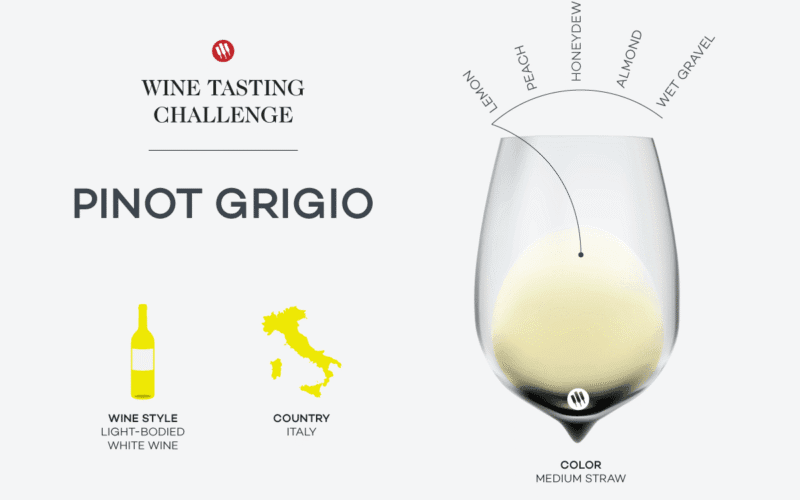
Don’t mistake Italy for its reds. While Barolo and Chianti dominate the conversation, there’s a white wine quietly rewriting the script: Pinot Grigio. This week’s Tasting Challenge? A bottle from Italy’s Trentino-Alto Adige region, where the grape’s true character emerges. Think of it as the unsung hero of Italian wine—dry, sharp, and full of minerality, far removed from the lush, honeyed Pinot Gris of France. The Trentino-Alto Adige region isn’t just cold—it’s Alpine. At elevations up to 3,300 feet, the grapes grow slowly, developing a bracing acidity and a crisp, flinty edge. This isn’t a wine for those who crave…
Read More