Consider this your morning briefing: Spain’s coffee world is finally catching up to its European neighbors. After decades of dark, sugary “torrefacto” dominance, the Iberian Peninsula is now a hotbed of specialty coffee innovation. With 2,215 branded coffee shops and 3% annual growth, Spain has leapfrogged Poland to rank seventh in Europe. Yet its journey to specialty isn’t about speed—it’s about redefining what coffee means.
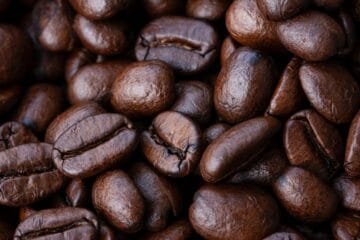
The country’s coffee history is a tale of two eras. Torrefacto—dark, bitter, and sweetened during roasting—has long been Spain’s default. But as World Coffee Portal data shows, 75% of consumers now crave premium options that highlight origin and flavor. “Torrefacto was a survival tactic, not a standard,” says Sergio Robles of Cafés My Way. “It masked scarcity, but younger generations are finally pushing it into the background.” The shift isn’t just about taste—it’s about education. Traditionalists still dominate at-home consumption (capsules account for 60% of retail value), but micro-roasters are gaining ground.
Spain’s specialty scene is growing steadily, fueled by cultural shifts and events like CoffeeFest Madrid. “The pandemic accelerated acceptance,” notes César Ramírez. “CoffeeFest 2023 turned visibility into momentum.” Cities like Valencia and Galicia now rival Madrid and Barcelona as hubs for specialty culture. Yet challenges remain: high green coffee prices, cultural inertia, and the need to balance quality with affordability. “We’re still fighting to convince people that specialty isn’t a luxury,” says Francisco Gonzalez of Nomad Coffee. “Once they taste it, they rarely go back.”
The market’s future looks bright, though. International chains like Starbucks and McCafé are expanding, while local roasters like Santagloria and %Arabica are capitalizing on Spain’s tourism boom. “Spain’s size and price sensitivity mean premium products are growing,” Sergio adds. “But clarity and consistency will win customers.”
Torrefacto’s decline reflects a broader move toward quality and transparency.
KEY POINTS Spain’s specialty coffee market is growing faster than expected, driven by cultural shifts and events like CoffeeFest. Torrefacto’s decline reflects a broader move toward quality and transparency. Challenges like high green coffee prices and consumer education will shape the next phase of growth.
CLOSE What’s your take? As Spain’s coffee scene evolves, will traditionalists cling to torrefacto, or will the specialty movement finally take root? Share your thoughts below.
Questions & Answers
Where are Spain’s best specialty coffee shops?
Madrid, Barcelona, and Valencia lead with trendy cafes like La Casa del Cafè and Caffè Lucio. These spots offer high-quality beans and expert brewing methods.
What defines Spain’s specialty coffee scene?
Focus on quality beans, skilled baristas, and modern brewing techniques. The scene is growing fast, driven by coffee enthusiasts and international brands entering the market.
Information sourced from industry reports and news outlets.