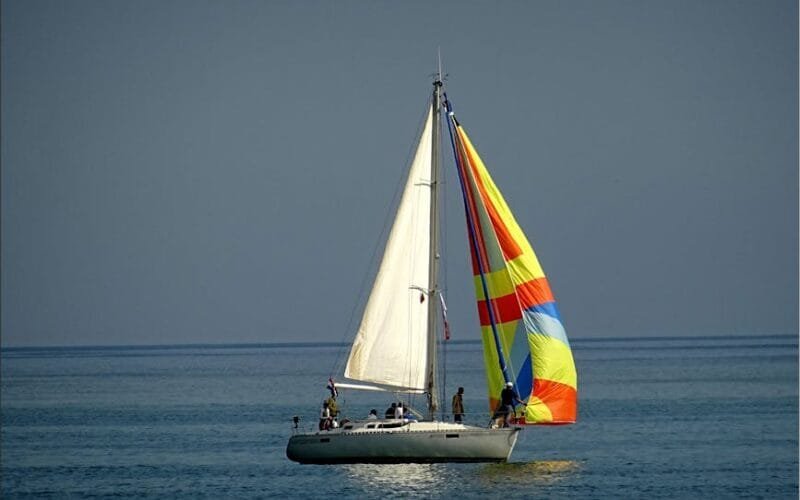
If you’re wondering how coffee roasters are slashing emissions without sacrificing flavor, look to the open sea. Decarbonized sail transport is rewriting the rules of sustainable coffee, blending history with innovation to cut carbon footprints and spark curiosity. For years, the industry has relied on oil-powered cargo ships, which spew 3% of global CO₂ and 20% of air pollutants. Now, wind-powered sailboats are challenging this status quo, offering a quieter, cleaner alternative that’s also reshaping the taste of coffee itself.
Sail transport isn’t just about reducing emissions—it’s about reimagining the journey. Coffee shipped by sail spends weeks at sea, exposed to salt air and humidity, which some experts say alters its acidity and creates unique, nostalgic notes. “It’s like a slow fermentation,” says Marcel Binley of Bella Barista, noting that metal containers shifted flavor profiles decades ago. Sail ships, by contrast, preserve a more natural profile while cutting emissions by 84–95% compared to cargo vessels. Belco, a French importer, claims its sail routes slash carbon footprints by 90%, eliminating fuel leaks and noise pollution that disrupt marine life.
But the shift isn’t without hurdles. Sail cargo is 20 times pricier than conventional shipping, adding $1.50 per kilo to costs. Limited port infrastructure and infrequent routes make scalability a challenge. “Ports aren’t built for 85-meter sailboats,” Marcel explains. Yet pioneers like Yallah and Bella Barista are pushing boundaries, sourcing sail coffee from Colombia, Brazil, and Central America. Belco’s first sail shipment in 2024 carried 900 metric tons—enough to fill 50 containers—though it’s still a fraction of cargo ship capacity.
The real test lies in scaling sustainably. While roasters like Bella Barista aim to source 80% of their coffee by sail by 2028, demand must grow to justify investments in sail docks and routes. “It’s not a golden ticket,” says Richard Blake of Yallah. “We need to be honest about the trade-offs.” For now, sail transport is less about practicality and more about awareness. As Prunella Meschini of Le Piantagioni del Caffè notes, customers must understand why they’re paying more.
Limited port infrastructure and infrequent routes hinder scalability.
Key Points: Sail transport slashes emissions by 84–95% but costs 20 times more than conventional shipping. Limited port infrastructure and infrequent routes hinder scalability. Roasters like Yallah and Bella Barista are leading the charge, aiming to source most coffee by sail by 2028.
What if the next big shift in coffee wasn’t just about taste, but about how we move it? Will you pay extra for a cup that sails toward sustainability?
Questions & Answers
How does decarbonized sail transport work?
Sail-powered ships use wind energy to move cargo, reducing carbon emissions. This method relies on modern sail technology and efficient route planning for sustainable coffee shipping.
Is sail transport cost-effective for coffee?
Sail transport can be cost-effective long-term due to lower fuel costs. However, it may require higher initial investment and is weather-dependent, affecting delivery times.
Information sourced from industry reports and news outlets.