This is worth savoring: A month in Africa’s coffee heartlands revealed a stark truth—small farmers are getting less than 10% of the retail price. The same inequity echoes in South and Central America, where language, culture, and geography make operations more feasible but ethics remain unaddressed. My mission? To build a processing plant and export brand that pays farmers a living wage. I’m not the first to dream this, but I’m determined to turn the tide.
The coffee world is built on a broken pyramid. Farmers, who bear the labor and risk, often earn less than a day’s wage for a bag of beans. In Colombia and Peru, where I’m focusing efforts, the problem is acute. These regions boast quality and potential, yet their growers are trapped in a cycle of low prices and poor contracts. My plan? To create a closed-loop system where farmers are partners, not laborers. That means fair contracts, transparent pricing, and reinvesting profits back into communities.
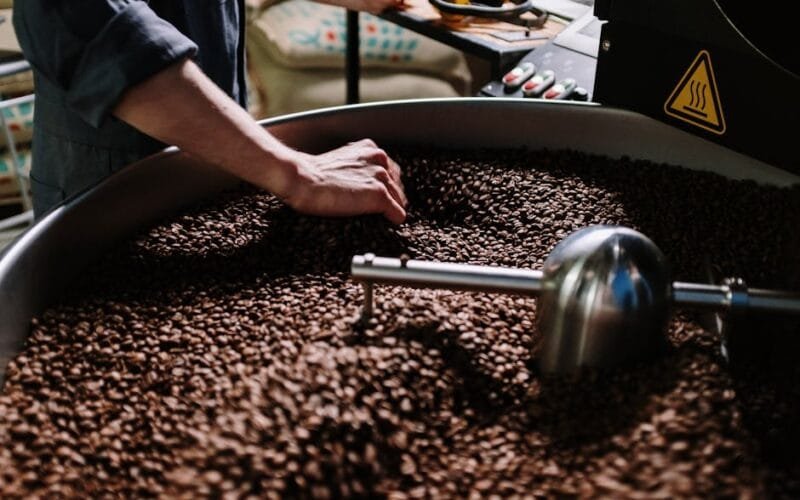
I’m still learning the ropes—exportation, processing, and the logistics of scaling. But I’ve committed to working on farms, not just as a buyer but as a collaborator. The idea of roasting in origin countries is a gamble. It delays delivery and complicates supply chains, yet it keeps money local. For now, I’m balancing these trade-offs, seeking partners who share my vision. The numbers are daunting, but the stakes are higher: a future where coffee isn’t just a commodity, but a catalyst for change.
Key points: The coffee supply chain is ripe for disruption—prioritize fair contracts over margins. Origin roasting offers local economic gains but requires careful logistics. Collaboration with farmers, not just transactions, is the bedrock of sustainable change.
What would you do to ensure every cup tells a story of dignity and fairness.
Here’s something to stir your curiosity: Have you ever wondered how much of the coffee you buy actually reaches the farmer? What would you do to ensure every cup tells a story of dignity and fairness?
Questions & Answers
How to start a coffee export business?
Secure a coffee supply, register your business, and find export partners. Obtain necessary licenses and export permits. Focus on quality and compliance with international standards to build a reliable export network.
What are the coffee processing steps?
Coffee processing involves harvesting, washing, fermenting, drying, and sorting. Each step affects flavor and quality. Proper drying and sorting ensure consistent product for export or sale.
Information sourced from industry reports and news outlets.