⏱ 1 min read
The Short Version
Despite a punishingly dry summer, heavy winter rains saved the Penedès Xarel·lo harvest from disaster. Yet, while fruit quality remains high, small-scale growers face an existential threat as industrial giants drive grape prices down to unsustainable lows.
In This Article
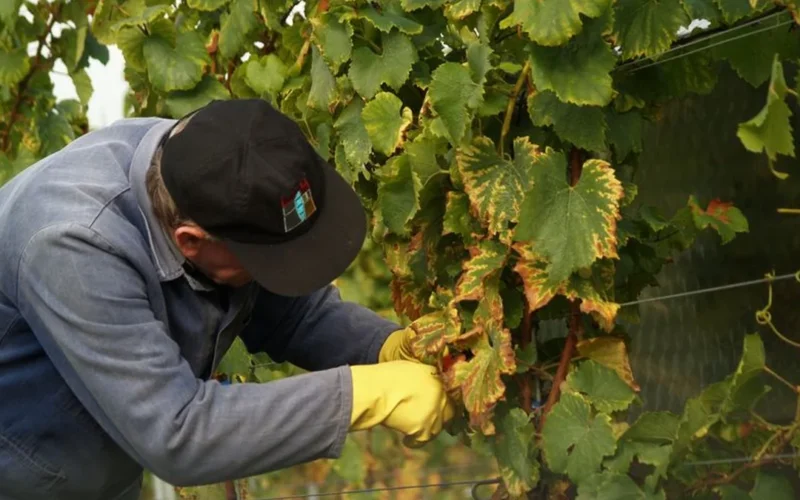
This is worth savoring: despite a punishingly dry summer, the recent organic Xarel·lo harvest in Penedès yielded a surprisingly robust crop. A team of friends recently brought in 500kg of fruit for a dedicated vigneron producing small-batch garage wines out of a Barcelona basement. While the last four months saw almost zero rainfall and intense heat, the heavy rains of the previous winter and spring acted as a crucial buffer, providing enough water reserves to ensure healthy, generous grapes.
The previous rainy winter and spring provided water reserves to the vines so the harvest has been generous.
Resilience Amidst Heat
The quality of the fruit remains high because of that early seasonal moisture. Even though the picking day was sweltering, the vines showed no signs of significant stress, resulting in a yield that feels both plentiful and clean. This specific batch is destined for a highly personal project—a tiny production intended primarily for own consumption rather than mass market distribution. The previous rainy winter and spring provided water reserves to the vines so the harvest has been generous. Such hands-on, artisanal approaches allow for a level of integrity that larger operations simply cannot replicate.
The Cost of Low Margins
However, the physical success of the vintage stands in stark contrast to the grim economic reality facing local growers. There is a widening gap between those making wine with purpose and the industrial scale of the region. Large houses are currently setting prices as low as 0.20€ per kilogram, a rate that makes it nearly impossible for many producers to turn a profit. In this micro-climate of scarcity, paying 0.60€ per kilogram represents a vital lifeline for small-scale farming. Without these higher rates, the very terroir that defines Penedès could be lost to unsustainable economics. How can the Penedès region protect its diverse small-scale growers against the pricing power of the large houses?
Questions & Answers
Why was the Xarel·lo harvest successful despite the dry summer?
The recent organic Xarel·lo harvest in Penedès remained robust because heavy rains during the previous winter and spring provided essential water reserves. These early seasonal moisture levels acted as a crucial buffer against the intense heat and lack of rainfall experienced over the last four months. Because the vines had sufficient stored water, they showed no significant signs of stress during the sweltering picking period. This allowed for a healthy, generous, and clean yield despite the punishingly dry summer conditions.
How do grape prices in Penedès differ between large houses and small producers?
Large wine houses are currently setting purchase prices as low as 0.20€ per kilogram, creating a significant economic disparity in the region. In contrast, paying a rate of 0.60€ per kilogram serves as a vital lifeline for small-scale farmers struggling with low margins. This price gap highlights the growing tension between industrial scale operations and artisanal producers. While large houses drive prices down, higher rates are necessary to ensure that small-scale farming remains sustainable and profitable within the local micro-climate.
What impact does seasonal rainfall have on Penedès grape quality?
Seasonal rainfall during the winter and spring determines the resilience and quality of the grapes by building up vital water reserves in the soil. Even when a summer is characterized by intense heat and almost zero rainfall, these early moisture levels prevent vines from experiencing significant stress. This preparation ensures that the resulting fruit remains high in quality and yields are plentiful. Without this early seasonal buffer, the extreme heat would likely compromise both the health of the vines and the overall harvest volume.
What economic challenges do small-scale wine producers face in Penedès?
Small-scale wine producers face a grim economic reality characterized by extremely low profit margins caused by industrial pricing. Large wine houses often set grape prices at just 0.20€ per kilogram, which makes it nearly impossible for artisanal growers to maintain a sustainable business. These producers require higher rates, such as 0.60€ per kilogram, to survive and continue their specialized work. Without these better rates, the unique terroir of the Penedès region is at risk of being lost due to unsustainable economic pressures.
Originally reported by Reddit Wine.