⏱ 2 min read
The Short Version
The North Fork is ditching predictable varietals for complex gems like Albariño, sparking a quiet viticultural revolution. Local educators are dismantling pretension through accessible workshops, transforming casual drinkers into informed enthusiasts who prioritize understanding over mere consumption.
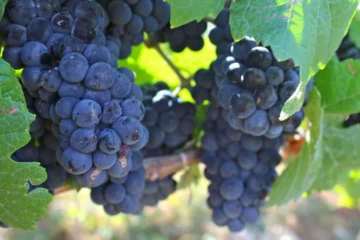
The North Fork is undergoing a quiet viticultural revolution. Fifty-three years after the first commercial vines were planted in Cutchogue, this maritime region has evolved from a local secret into a diverse powerhouse. While Merlot and Chardonnay still hold the most acreage, the landscape is rapidly shifting toward more complex varieties like Cabernet Franc and Albariño.
People aren’t just looking to drink anymore; they want to understand what’s in their glass and why they should care.
Accessible education for every palate
As the complexity of local vineyards grows, so does the demand for knowledge. For many, the barrier to entry in wine appreciation is a sense of intimidation, but local educators are dismantling that wall. At Bridge Lane Wine in Mattituck, the “Inside the World of Wine” series offers a structured way to master the fundamentals of acidity, tannin, and body without the pretension. Led by Amanda Goldston, these sessions transform the tasting room into a classroom where curiosity is prioritized over expertise. People aren’t just looking to drink anymore; they want to understand what’s in their glass and why they should care. This movement toward informed tasting turns a casual pour into a meaningful experience.
Finding value through expert guidance
Knowledge also serves as a tool for finding better value in the marketplace. At the Cutchogue-New Suffolk Free Library, Jul Fedele uses her WSET expertise to host affordable tastings that challenge the notion that high quality requires a high price tag. By pairing wines with cheese and inviting participants to guess price points, she proves that excellent sipping doesn’t have to break the bank. For those looking to improve immediately, Fedele offers a simple tip: “When tasting, focus on your palate’s reaction to acidity first—it’s the backbone of the wine and often the clearest indicator of quality.”
Beyond these structured programs, established estates like Macari Vineyards and Suhru & Lieb offer specialized experiences ranging from component tastings to blind flights. Many of these wineries employ staff with WSET level 3 certifications or higher, ensuring that even a private session provides professional-grade insight. From library workshops to curated estate events, the North Fork is teaching its visitors how to truly taste the terroir.
What is the one thing you always wish you knew more about when tasting a new bottle?
Questions & Answers
What wine varieties are commonly grown on the North Fork?
Merlot and Chardonnay currently hold the most acreage in the North Fork maritime region. While these traditional grapes remain staples of the local landscape, the viticultural environment is rapidly shifting toward more complex varieties. Growers are increasingly planting different types of grapes such as Cabernet Franc and Albariño to diversify their production. This evolution reflects a broader revolution occurring within the region's vineyards as they transition from a local secret into a diverse powerhouse of wine production.
How can beginners learn the fundamentals of wine tasting?
Beginners can master the basics of wine by participating in structured educational programs like the Inside the World of Wine series at Bridge Lane Wine. These sessions are specifically designed to help people understand essential elements such as acidity, tannin, and body without any sense of pretension. Led by experts like Amanda Goldston, these programs prioritize curiosity over technical expertise. This approach helps transform a simple tasting into a meaningful experience by teaching drinkers exactly what is in their glass.
What is the best way to identify high quality wine during a tasting?
Focusing on your palate's reaction to acidity is the most effective way to immediately identify quality when tasting wine. Acidity serves as the backbone of the wine and often provides the clearest indicator of its overall standard. This practical tip is shared by WSET expert Jul Fedele, who uses affordable tastings at the Cutchogue-New Suffolk Free Library to teach these skills. By prioritizing acidity, consumers can better navigate the marketplace and find excellent wines that do not necessarily require a high price tag.
Where can people find specialized wine tasting experiences on the North Fork?
Established estates such as Macari Vineyards and Suhru & Lieb offer various specialized tasting experiences for enthusiasts. These professional locations provide advanced opportunities including component tastings and blind flights to help drinkers refine their palates. Additionally, local institutions like the Cutchogue-New Suffolk Free Library host affordable sessions that pair wines with cheese to challenge perceptions of value. These diverse options allow everyone from casual drinkers to dedicated enthusiasts to find a learning environment that suits their specific level of interest.
Originally reported by Northforker.