⏱ 1 min read
The Short Version
Nana’s Green Tea brings Japan’s centuries-old matcha tradition to U.S. cafés, offering rich, heritage-driven brews and desserts that blend history with modern flavor.
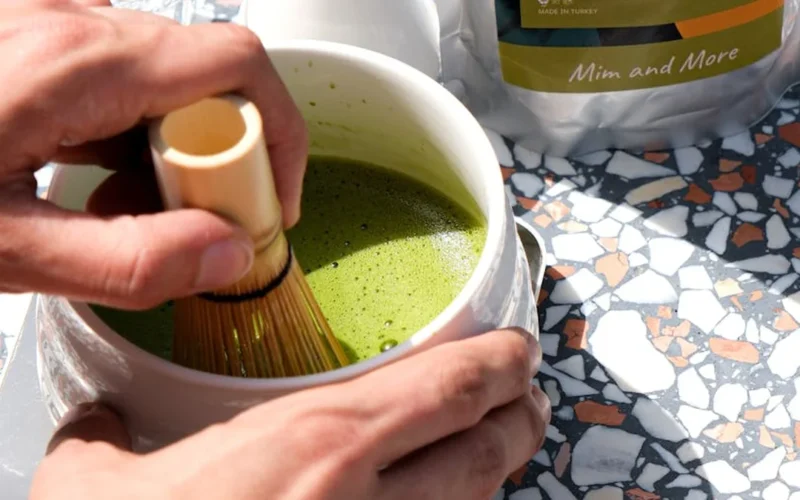
Let’s explore how Nana’s Green Tea is reshaping the American café scene with its matcha latte, a brew that marries tradition with modernity. Nana’s Green Tea, Japan’s revered matcha specialist, has made its mark in U.S. cities, bringing the meticulous art of Uji’s tea-making to new shores. This isn’t just about a drink—it’s about a ritual, a fusion of heritage and contemporary taste. The brand’s U.S. presence isn’t about speed; it’s about mastering the craft, from leaf to cup.
The matcha here is pretty intense and a little earthy. Even topped with whipped cream and drizzled with brown sugar, the latte was still nicely balanced and not overly sweet.
Tea Sourcing: From Uji to U.S. Tables
Nana’s Green Tea doesn’t just use matcha—it curates it. The brand’s signature brews rely on Yamamasa Koyamaen, a Uji producer whose lineage traces back to the Edo period. This isn’t a generic green tea; it’s a liquid history, steeped in tradition and terroir. The chain’s menu also features genmaicha and hojicha from Baisa Nakamura, a supplier that ensures every leaf meets exacting standards. These aren’t just ingredients—they’re heirlooms, passed down through generations. The result? A matchy latte that’s earthy, bold, and alive with flavor.
The Menu’s Quiet Revolution
Beyond lattes, Nana’s Green Tea is a masterclass in Japanese dessert innovation. Its parfaits—layered with matcha jelly, soft serve, and mochi—are edible sculptures of texture and contrast. The matcha mochi parfait, for instance, balances the chewy shiratama mochi against the crispness of corn flakes, all anchored by a scoop of matcha ice cream. Even the black sesame latte, topped with a swirl of ice cream, feels like a celebration of depth and balance. These aren’t just desserts; they’re statements. The brand’s menu is a quiet revolution, reimagining Japanese café culture for a global audience. The matcha here is pretty intense and a little earthy. Even topped with whipped cream and drizzled with brown sugar, the latte was still nicely balanced and not overly sweet. What’s your go-to matcha order? Share your pick below.
Questions & Answers
What makes Nana’s Green Tea’s matcha latte unique?
Nana’s Green Tea uses Yamamasa Koyamaen matcha, a Uji producer with Edo-period roots, ensuring a bold, earthy flavor. The latte balances intensity with a touch of sweetness, making it both traditional and modern.
How does Nana’s Green Tea source its tea?
Nana’s Green Tea sources its matcha from Yamamasa Koyamaen, a Uji producer with a heritage dating back to the Edo period. It also partners with Baisa Nakamura for genmaicha and hojicha, ensuring quality and tradition in every leaf.
What are some standout desserts at Nana’s Green Tea?
Standout desserts include the matcha mochi parfait, which layers chewy mochi with corn flakes and matcha ice cream, and the black sesame latte topped with a swirl of ice cream. These creations highlight texture and balance.
Why is Nana’s Green Tea considered a quiet revolution in café culture?
Nana’s Green Tea reimagines Japanese café culture by blending traditional matcha with modern desserts and a meticulous approach to tea-making. Its menu offers a refined, global interpretation of Japanese culinary heritage.
Originally reported by Food & Wine.