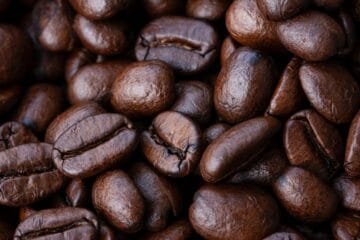
Listen up: The color of your coffee isn’t just an aesthetic—it’s a data point. For roasters, roast color analysis is a critical tool for precision, yet it’s often overlooked in favor of temperature curves. While temperature guides the roast, color provides an objective measure of development, revealing nuances that define flavor. The Specialty Coffee Association’s recent white paper highlights this shift, proposing a standardized scale for roast color to bridge inconsistencies across the industry. But how do roasters harness this science without breaking the bank?
Color analysis tools like spectrophotometers and Agtron meters offer numerical readings that translate to roast profiles—higher values mean lighter roasts, lower values darker. Yet, without industry-wide standards, these metrics remain subjective. “Surface color is an inherent trait of the bean,” explains DPGG, a roasting science blogger. “It’s not influenced by machine models or environmental shifts, making it a reliable benchmark.” This contrasts with temperature probes, which vary widely based on machine design and placement. As roasters scale up or switch equipment, temperature readings can diverge dramatically, creating a gap between intuition and precision.
Modern tools like DiFluid’s OmniFlux are closing this gap. This device tracks color changes in real time, generating curves that reflect both color and temperature dynamics. “By aiming OmniFlux at a roaster’s viewing window, you can build profiles based on color shifts, not just heat,” says James Corwin of DiFluid. The device also measures ground coffee color and displays distribution charts, helping roasters assess uniformity and adjust energy application. Chacha, a café owner and roasting consultant, emphasizes the importance of RD values and standard deviation to gauge batch consistency. “Maintaining a 30cm distance from the sensor yields the most stable results,” he notes.
The evolution of color analysis isn’t just about precision—it’s about unlocking creativity. James shares an experiment where kombucha-soaked beans, despite reaching 180°C, only hit 60 Agtron—medium-dark territory. “Color and temperature don’t always align,” he says. “This shows how color metrics can reveal hidden variables in roasting.” As tech becomes more accessible, roasters gain tools to refine their craft, balancing artistry with science.
The SCA’s proposed standardized scale aims to unify industry interpretations.
Key points: Color offers a stable reference point that transcends machine variability. The SCA’s proposed standardized scale aims to unify industry interpretations. Modern tools like the OmniFlux bridge the gap between intuition and precision.
So, what’s your take on the future of roast color analysis? Share your thoughts below.
Questions & Answers
What is the ideal coffee colour for roasting?
Ideal coffee colour varies by roast level. Light roasts are浅 brown, medium is medium brown, and dark is almost black. Colour indicates roast degree and flavor profile.
How does coffee colour affect taste?
Coffee colour reflects roast level, impacting flavor. Light roasts are acidic and bright, medium is balanced, and dark roasts are bold and bitter. Colour correlates with flavor development.
Information sourced from industry reports and news outlets.