

⏱ 1 min read
The Short Version
Forget the heavy, high-ABV fruit bombs of the past; Ningxia’s extreme temperature swings are fueling a revolution of fresh, gluggable reds. Driven by the star Marselan grape and a new wave of nomadic winemakers, the region is trading massive extraction for sophisticated, mouthwatering elegance.
The desert meets the mountains in Ningxia, creating a terroir defined by extreme temperature swings. While days remain warm enough for comfortable walks through local villages, nighttime temperatures plummet to between 10°C and 15°C. This thermal shift is the secret to the region’s stylistic evolution; rather than producing the heavy, 16% ABV fruit bombs common in similar climates, Ningxia producers are delivering reds with mouthwatering freshness.
Instead of tasting stewed fruit bombs, the reds come out with superb, mouthwatering freshness.
A Shift Toward Gluggable Styles
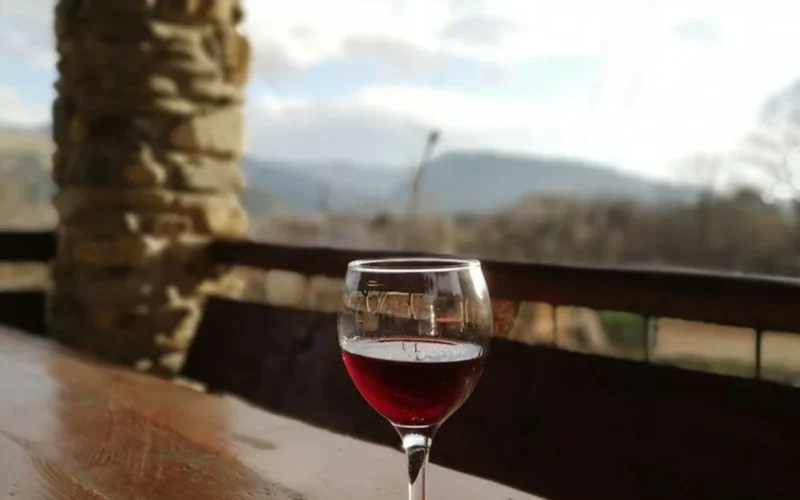
A decade ago, winemakers in this region were largely dedicated to high extraction and ripe, massive profiles. That era is fading. Today, there is a visible movement toward less extraction and even carbonic maceration to create more approachable, gluggable wines. These lighter styles provide a necessary counterpoint to the regional diet of lamb and noodles. Among the varieties, Marselan—a cross between Cabernet Sauvignon and Grenache—has emerged as the true star of the Helan Mountains. The wine appears pitch-black in the glass, offering aromas of dark plum and cracked pepper while remaining remarkably smooth on the palate. Instead of tasting stewed fruit bombs, the reds come out with superb, mouthwatering freshness.
The Rise of Nomadic Winemaking
The industry’s youth has fostered a unique phenomenon: nomadic winemaking. A new generation of young winemakers based in Ningxia is no longer tethered to a single estate, instead traveling to work across Yunnan, Gansu, and Hebei. By moving between regions, these professionals can experiment with different growers and discover how various terroirs respond to their specific techniques. This fluid approach allows for a deeper understanding of what truly yields the best results across China.
During harvest week, visits to producers like Xiao Pu, September Helan, Lingering Clouds, Maison X Institute, Fangsi, Silver Heights, and Shepherd Vineyard highlighted this rapid professionalization. Whether through the mastery of Marselan or the agility of the nomad, Ningxia is proving that its viticultural identity is far from settled.
If you have tasted wines from Ningxia, which producer left the most significant impression on you?
Questions & Answers
What makes the Marselan grape variety special in Ningxia?
Marselan is a unique grape variety created by crossing Cabernet Sauvignon and Grenache that has become the star of the Helan Mountains. This variety produces wines that appear pitch-black in the glass and offer distinct aromas of dark plum and cracked pepper. Unlike many heavy red wines, Marselan remains remarkably smooth on the palate. This makes it an ideal choice for the region, as it provides a refreshing quality rather than tasting like a heavy, stewed fruit bomb.
How do temperature fluctuations in Ningxia affect the local wine style?
Extreme temperature swings in Ningxia help producers create red wines with exceptional mouthwatering freshness. While daytime temperatures are warm, nighttime temperatures plummet to between 10°C and 15°C, creating a specific thermal shift in the terroir. This climate prevents the production of heavy, high-alcohol fruit bombs common in similar regions. Instead, the thermal variation allows winemakers to move away from massive profiles toward lighter, more approachable styles that pair well with local cuisine like lamb and noodles.
Why are young winemakers in Ningxia practicing nomadic winemaking?
Young winemakers adopt a nomadic approach to gain a deeper understanding of how different terroirs respond to various viticultural techniques. Rather than staying tethered to a single estate, these professionals travel to work across different provinces including Yunnan, Gansu, and Hebei. This fluid movement allows them to experiment with different growers and diverse landscapes. By working across multiple regions, they can discover which specific methods yield the best results and foster a more agile professional identity within the industry.
What are the current trends in Ningxia wine production styles?
Ningxia is currently shifting away from high extraction and massive, ripe wine profiles toward more approachable, gluggable styles. Winemakers are increasingly using less extraction and techniques like carbonic maceration to create lighter reds. This evolution serves as a necessary counterpoint to the region's traditional diet of noodles and lamb. This movement represents a significant departure from the industry's past decade, which was largely defined by producing heavy, high-alcohol wines with much higher fruit intensity.
Originally reported by Reddit Wine.


[…] you travel for wine, do you prioritize the technical score of the bottle or the atmosphere of the […]