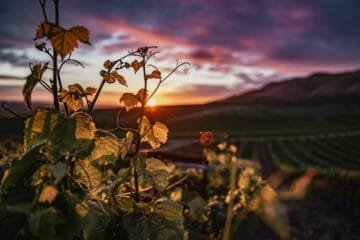
Lirac is the Southern Rhône’s best-kept secret—and it’s finally getting the attention it deserves. Nestled just across the Rhône River from Châteauneuf-du-Pape, this appellation shares the same terroir, grape varieties, and mistral winds, yet it’s carving out its own identity with wines that are fresher, lighter, and more approachable. Over the past decade, a wave of new producers has crossed the river to plant roots here, turning Lirac into a hotbed of innovation. The results? Reds that echo Châteauneuf’s boldness but with a signature brightness, thanks to cooler microclimates and unique soil compositions.
The magic of Lirac lies in its contrasts. While Châteauneuf thrives on power and concentration, Lirac leans into elegance. Its vineyards are blanketed with galets roulés, the same large stones that define the Rhône, but the region’s higher elevations, clay-rich soils, and abundant forests create a cooler environment. These forests—over 6,000 acres of cooling canopy—act as natural air conditioners, buffering vineyards from the warming climate. “Lirac’s freshness is a rare treasure,” says Pierre Fabre of Mont-Redon, who’s been buying land here since 1997. “It’s not just about price; it’s about terroir that’s adapting to the future.”
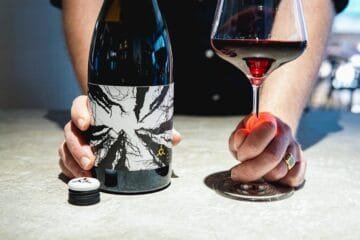
The region’s rising star, Château de Montfaucon, exemplifies this shift. Run by Rodolphe de Pins, a dual producer in Châteauneuf and Lirac, the estate crafts wines that balance intensity with restraint. “Lirac is the most Burgundian of the Southern Rhône,” he says, noting how its wines show finesse even in heatwaves. Meanwhile, California’s Adam Lee has joined the movement, launching Etienne—a project blending Grenache, Syrah, and Mourvèdre with a focus on saline brightness and velvety tannins. These wines aren’t just trendy; they’re a response to climate change, proving that freshness isn’t a luxury.
KEY POINTS: Lirac offers value without compromise, its cooler climate produces fresher wines than Châteauneuf, and the region’s forests are key to its unique identity.
Do you think it’s ready to rival its neighbor, or is it still the “sleeping beauty” de Pins describes.
CLOSE: What’s your take on Lirac’s potential? Do you think it’s ready to rival its neighbor, or is it still the “sleeping beauty” de Pins describes? Share your thoughts below.
Questions & Answers
What grapes are used in Lirac AOC?
Lirac AOC uses Grenache, Syrah, Mourvèdre, and Cinsault. Grenache dominates, giving the wine its red fruit character and structure.
Is Lirac a good wine for beginners?
Yes, Lirac is approachable with fresh red fruits and smooth tannins. It pairs well with food and is easy to drink, making it ideal for beginners.
Information sourced from industry reports and news outlets.