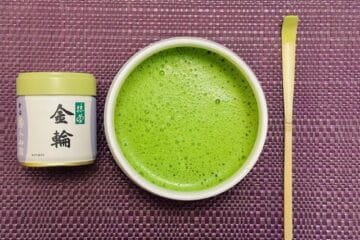
This is worth savoring: A growing chorus of TikTok users is blaming matcha for iron deficiencies, citing symptoms like fatigue, brittle nails, and easy bruising. But is the green tea powder really the villain? Or are these stories oversimplifying a complex interplay of diet, biology, and individual variation? The answer lies in understanding how matcha interacts with iron—and why moderation matters.
Matcha, derived from Camellia sinensis, is packed with polyphenols and phytic acid, compounds celebrated for their antioxidant properties. Yet these same components can bind to iron, reducing its absorption. Studies show that heavy green tea consumption—three or more cups daily—correlates with lower blood iron levels. However, the link between moderate intake (two cups a day) and iron deficiency anemia isn’t as clear. The key distinction? Iron deficiency isn’t just about quantity; it’s about context. Women who menstruate, for example, face a higher baseline risk due to blood loss, making dietary iron sources even more critical.
The problem isn’t matcha alone. Phytic acid, found in nuts, legumes, and other teas, also inhibits iron uptake. This means even a diet rich in iron-rich foods like spinach or lentils could be undermined by a cup of matcha. Timing is everything: drinking tea separately from meals—ideally an hour apart—can mitigate this effect. But it’s not just about timing. Pairing matcha with vitamin C-rich foods like citrus or bell peppers can boost iron absorption, turning potential obstacles into allies.
So, should you ditch matcha for iron? Not yet. The solution lies in balance. Prioritize iron-dense foods, track your levels with a blood test, and consult a dietitian to tailor your intake. If you’re already low on iron, consider reducing matcha and other inhibitors while ramping up iron-rich meals.
Is it time to reevaluate your routine—or embrace a smarter approach.
What if your matcha habit is quietly draining your energy? Is it time to reevaluate your routine—or embrace a smarter approach?
Questions & Answers
Does TikTok affect iron levels?
TikTok itself doesn’t impact iron levels. However, excessive screen time may reduce physical activity, potentially affecting iron absorption.
Is matcha good for low iron?
Matcha contains oxalates that may inhibit iron absorption. People with low iron should limit matcha or consume it with iron-rich foods.
Information sourced from industry reports and news outlets.