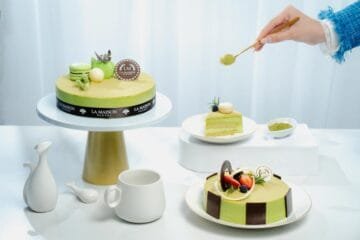
Time to spill: Matcha’s global rise has hit a snag—and hojicha is stepping in. The vibrant green powder once confined to Japanese tea ceremonies now dominates café menus, but its meteoric growth has strained supply chains. Japan’s matcha producers, already stretched thin by climate shifts and labor shortages, are struggling to meet demand. Enter hojicha: a roasted, low-caffeine tea with nutty warmth and a cult following that’s growing fast. It’s not just a substitute—it’s a redefinition of what tea can be.
The real story here isn’t about competition—it’s about choice. Matcha’s intensity, with its grassy umami and vivid hue, appeals to wellness seekers and social media mavens. But its production is slow, laborious, and increasingly unsustainable. Hojicha, made by roasting green tea leaves at 150°C, strips away caffeine and bitterness, leaving caramelized sweetness and smoky undertones. It’s the kind of tea you sip in the evening, not the morning. For consumers tired of matcha’s punchy profile, hojicha offers a gentler, more familiar path.
Cultural context matters too. Matcha is aspirational, tied to rituals and high-end aesthetics. Hojicha, meanwhile, is rooted in everyday life—served in Japanese homes during dinner or as a quiet offering to ancestors. This duality explains its appeal: it’s not about performance, but presence. Specialty cafes might lean into matcha’s visual drama, but hojicha’s comfort factor makes it a better fit for casual moments. “It’s not about becoming the next matcha,” says Aki Osawa, a Kyoto tea exporter. “It’s about being there when you need it.”
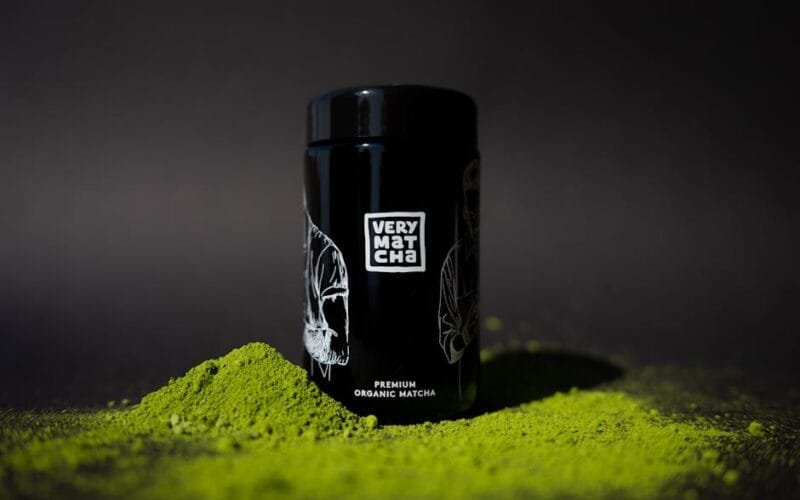
Sourcing both teas requires scrutiny. Matcha’s quality hinges on harvest timing, cultivar, and color—avoid yellowish powders and vague terms like “ceremonial grade.” Hojicha’s roast level and leaf composition matter more: too light, and it retains grassiness; too dark, and it turns ashy. Freshness is key too, as roasted teas degrade faster. “Ask where the leaves come from, when they were harvested, and how they were processed,” Aki advises. “If a supplier can’t answer, you’ve already lost.”
Hojicha’s nutty, low-caffeine profile makes it a comforting alternative to matcha’s intense, grassy notes.
Prioritize transparency when sourcing both teas—know the harvest dates, processing methods, and origins. Hojicha’s nutty, low-caffeine profile makes it a comforting alternative to matcha’s intense, grassy notes. The future of tea isn’t about one tea eclipsing another, but about coexistence.
So, will hojicha become the new matcha—or will it carve out its own space in the tea world? Share your thoughts below.
Questions & Answers
Is hojicha healthier than matcha?
Hojicha is lower in caffeine and antioxidants than matcha. It’s gentler on the stomach and may aid digestion. Matcha offers more antioxidants and energy.
Can hojicha replace matcha in recipes?
Hojicha can substitute matcha in some recipes, but it lacks the umami and earthy flavor. It works better in warm drinks than in baking or smoothies.
Information sourced from industry reports and news outlets.