⏱ 2 min read
The Short Version
Record-breaking early harvests are triggering a logistical nightmare, from skyrocketing energy costs to shipping "blackout periods" meant to prevent wine from exploding in transit. Climate change isn't just altering grape acidity; it’s rewriting the entire economic and seasonal rhythm of the wine industry.
In This Article
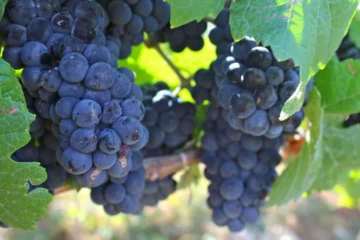
Jean-Marc Lafage of Domaine Lafage began picking grapes on July 23 in France’s Roussillon—a date he noted he had never seen before. From California’s Central Coast to Germany and Champagne, record early harvests are becoming the new seasonal reality. While vintners often focus on managing sugar and acidity, climate change is triggering logistical and economic disruptions far beyond the cellar door.
As harvest shifts earlier into August instead of October, that peak demand now lands during the hottest part of the year instead of the cooler fall.
The Logistics of Temperature
The shift toward earlier harvests creates immediate friction for direct-to-consumer models. Aaron Jackson, producer behind Aaron Wines and Akana, notes that extreme heat suppresses tasting room visitation; in Paso Robles, his “big, full-bodied reds” simply don’t move when the sun is blazing. High temperatures also threaten shipping windows; wineries face expanding “blackout periods” to prevent wine from being “blown up” in cars during transit. In Moravia, Šárka Betke observed similar trends, noting that when heat waves topped 40º Celsius, tourism dipped and delayed shipments created cash flow struggles. Even production details suffer, as intense heat can prevent labels from adhering to bottles or even force glass bottle furnaces to cease production.
Energy and resource management also face a steep climb. Jim Duane of Seavey Vineyard explains that moving harvest from the cool October window into the August heat spikes electricity costs. As harvest shifts earlier into August instead of October, that peak demand now lands during the hottest part of the year instead of the cooler fall. This timing forces wineries to run refrigeration systems harder exactly when energy prices hit their apex. Furthermore, new fees on water rights in Napa Valley represent an indirect cost layer tied to ongoing drought pressure.
Adapting the Wine Experience
Despite these hurdles, the changing climate offers unexpected shifts in travel patterns. Mark Hallett of Grape Escapes observes that warming temperatures have extended European wine tourism into the late fall, with the traditional September-October peak pushing well into November. While early harvests strain crews and supply chains for packaging, they may also increase consumer engagement by bringing travelers into the vineyard during the magical height of the harvest season.
Does the shifting rhythm of the seasons change how you plan your next wine trip?
Questions & Answers
How do heatwaves affect wine shipping and logistics?
Extreme heat creates logistical challenges by forcing wineries to implement shipping blackout periods to protect wine during transit. High temperatures can cause wine to be ruined if left in vehicles for too long, leading to potential cash flow struggles due to delayed shipments. Additionally, intense heatwaves can cause physical production issues, such as preventing labels from adhering properly to bottles or even forcing glass bottle furnaces to cease operations entirely.
Why do rising temperatures increase electricity costs for vineyards?
Rising temperatures increase electricity costs because harvest cycles are shifting from the cooler months of October into the intense heat of August. This timing forces wineries to run heavy refrigeration systems during the hottest part of the year when energy prices typically reach their highest peak. Moving the labor-intensive harvest period into the summer months creates a spike in energy demand exactly when power is most expensive and difficult to manage.
What impact does extreme heat have on wine tourism?
Extreme heat can suppress wine tourism by reducing tasting room visitation during periods of intense sun. In regions like Paso Robles, consumers are less likely to visit wineries when temperatures are blazing, which can negatively impact the sales of full-bodied red wines. Conversely, warming trends in Europe are extending the tourism season into the late fall, pushing traditional peak travel months from September and October well into November.
How is climate change altering the traditional wine harvest season?
Climate change is causing wine harvests to occur much earlier than historical norms across various global wine regions. Vintners in France's Roussillon, California's Central Coast, Germany, and Champagne are all seeing record early harvests due to shifting seasonal rhythms. This transition from October harvests to August harvests changes how wineries manage their resources, energy consumption, and direct-to-consumer business models throughout the year.
Originally reported by VinePair.