Here’s what you need to know about the first roast that danced on the line between light and dark. A Washed Kenya (Nyeri Ndaroini AA from Sweet Maria’s) met its match in a SR800 with Razzo chamber, and the results? A delicate balance of ambition and uncertainty. The brewer aimed for a lighter roast, yet the final profile leaned toward Full+ or French, a revelation that’s as much about perception as precision. Colorblindness complicates the visual cues, but the aroma told another story—dark, roasty, with whispers of caramel.
The roast followed a precise arc: preheated for two minutes at 4/4, then a sharp drop to 9/5 for three minutes (280°F). By minute three, the profile shifted to 8/8, with the fan dialed back early. The thermometer, a cheap meat probe in the Razzo chamber, maxed out at 387°F, leaving the first crack at 9:20. Cooling began at 10:40, with temperatures dropping to 140°F by 14:45. The final weight loss? 13.5%, a number that surprised even the brewer after comparing the bean’s color to local lighter roasts.
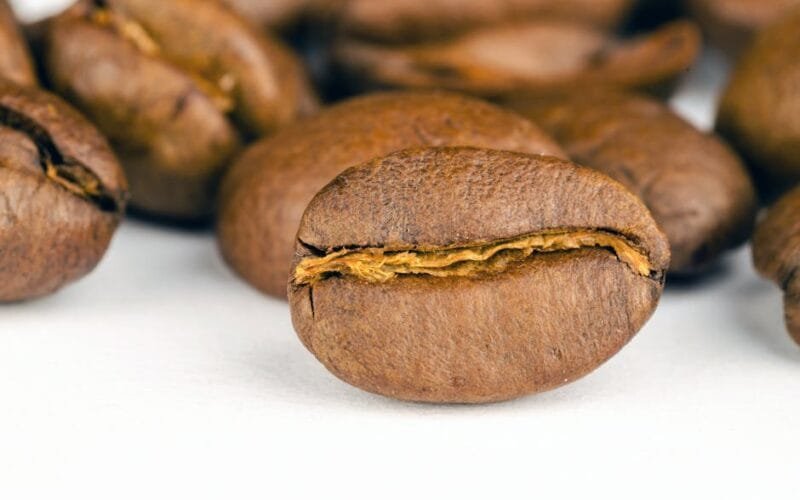
The second, third, and fourth images offer a reference point—local beans on Full City and Full City+, with the Kenya placed on French. Yet the aroma’s darkness suggests a deeper roast than the color implied. Is it common for a batch to smell darker immediately post-roast, only to mellow as it off-gasses? The brewer’s question lingers: How do you reconcile visual cues with olfactory reality?
Key points: Colorblindness complicates roast level judgment, but aroma can reveal more. Thermometer accuracy is critical—cheap probes can skew perceptions. Off-gassing may mask the true roast profile, making post-roast evaluation tricky.
Did your bean’s aroma match its color, or did it surprise you.
What’s your take on first-time roasts? Did your bean’s aroma match its color, or did it surprise you? Share your story below.
Questions & Answers
How do I prepare for my first roast?
Choose a topic you’re comfortable with. Gather jokes and stories. Keep it light and respectful. Avoid sensitive subjects. Focus on fun and humor.
What if I make a mistake during the roast?
Stay calm and laugh it off. Mistakes happen. Use them as opportunities for humor. Keep the tone friendly and engaging. Move on quickly.
Information sourced from industry reports and news outlets.