

⏱ 1 min read
The Short Version
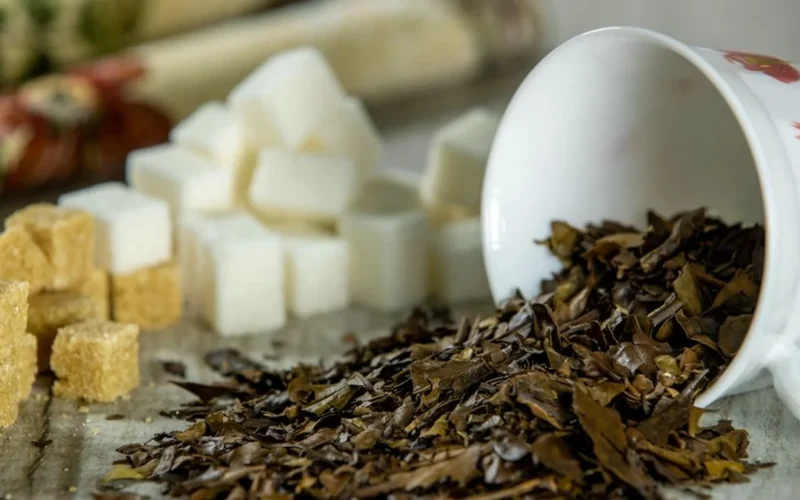
Stop treating oolong like flavored water; its true magic lies in sophisticated oxidation levels that bridge the gap between green and black teas. If you crave intensity, skip the floral high-mountain varieties and hunt for charcoal-roasted Wuyi Rock Teas for deep, woody complexity.
In This Article
Listen up: many drinkers avoid oolong under the mistaken impression that it relies on artificial flavoring to achieve its character. In reality, true oolong is defined by sophisticated oxidation levels that bridge the gap between delicate greens and robust blacks. If you found Longjing underwhelmingly thin, your palate isn’t broken; you simply haven’t encountered an oolong with enough structural weight to satisfy a preference for bold profiles.
Oolong exists on a vast spectrum of oxidation that can deliver everything from airy jasmine to deep, woody complexity.
Moving beyond light infusions
Since your current rotation includes heavy hitters like Lapsang Souchong and Gunpowder green, you likely crave tea that asserts itself rather than fading into the background. While many high-mountain oolongs focus on ethereal floral notes, certain cultivars lean heavily into toasted, roasted, and mineral qualities. Oolong exists on a vast spectrum of oxidation that can deliver everything from airy jasmine to deep, woody complexity. For someone who drinks their tea black and seeks intensity, skipping the lightly oxidized varieties is essential to avoiding that “flavored water” sensation.
Seeking roast and body
To find satisfaction without milk or sweetener, look toward Wuyi Rock Teas (Yancha) from the Fujian province. These teas are traditionally charcoal-roasted, which imparts a much heavier mouthfeel and notes of stone fruit, cocoa, or even smoke. This roasting process provides the robustness required to stand up to Western-style steeping methods. Another direction involves darker, highly oxidized Tieguanyin styles, which trade lightness for a creamy, lingering finish. By targeting these deeply processed leaves, you move away from the vegetal fragility of green tea and closer to the substantiality you expect from a strong brew. Do you prefer your tea to lean more toward smoky earthiness or rich, roasted sweetness?
Questions & Answers
What defines the character of true oolong tea?
True oolong tea is defined by sophisticated levels of oxidation that bridge the gap between delicate green teas and robust black teas. Unlike many people believe, its unique character does not rely on artificial flavorings but rather on these specific processing stages. This spectrum of oxidation allows oolong to deliver a wide variety of profiles, ranging from airy jasmine notes to deep, woody complexity, depending on how much the leaves are oxidized during production.
How can I find an oolong tea with more body and intensity?
You can find oolongs with more body by seeking out highly oxidized varieties or those that have undergone traditional charcoal roasting. Wuyi Rock Teas, also known as Yancha from the Fujian province, are excellent choices because their roasting process imparts a heavy mouthfeel and notes of cocoa or smoke. Additionally, looking for darker Tieguanyin styles can provide a creamy, lingering finish that offers more substantiality than lighter, more vegetal green tea options.
Why might someone find light oolong teas underwhelming?
Someone might find light oolong teas underwhelming if they prefer bold profiles and heavy-hitting teas like Lapsang Souchong. If a drinker is accustomed to intense flavors, lightly oxidized varieties can often result in a flavored water sensation that lacks sufficient structural weight. For those seeking tea that asserts itself rather than fading into the background, skipping these lighter infusions in favor of roasted or deeply processed leaves is essential for satisfaction.
What flavor profiles are common in Wuyi Rock Teas?
Wuyi Rock Teas typically feature flavors of stone fruit, cocoa, smoke, and toasted notes due to their traditional charcoal-roasting process. This specific method of preparation provides a much heavier mouthfeel compared to other tea varieties. Because these teas are roasted, they possess the robustness required to stand up well to various steeping methods, making them an ideal choice for drinkers who enjoy deep, woody complexity without needing milk or sweeteners.
Originally reported by Reddit Tea.

[…] in Taipei is proving that traditional methods still hold the crown for flavor. Their Dong Ding oolong stands as a testament to what happens when you prioritize patience over […]