⏱ 1 min read
The Short Version
By burying clay amphorae directly in the vineyards, Eduard Piè bypasses oak and steel to capture the raw, stony tension of Catalan terroir. The result is a lineup of high-energy, low-intervention wines that trade conventional polish for intense, site-specific texture.
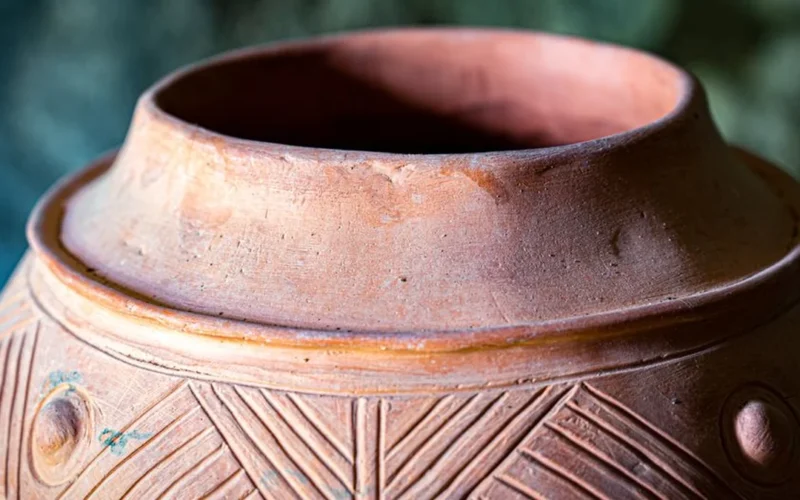
Eduard Piè is centering his Bonastre project on the intersection of limestone soils and ancient vessel technology. Based near Tarragona in Catalunya, Sicus operates under a strict low-intervention philosophy that prioritizes no-till organic farming and dry-grown vines. Rather than relying on standard oak or stainless steel for aging, Piè utilizes tinajas—amphorae made from local clay—some of which are buried directly within the vineyards to ferment the fruit.
Lively, tangy, bright with some savoury detail.
Texture driven by amphora and stone
The wines emerging from these clay vessels lean heavily into site specificity and structural energy. The Sicus Cartoixà Brisat (Orange) 2019 showcases the Xarel·lo variety with a bold, stony edge paired with lively citrus and orange peel notes. For those seeking effervescence, the Sicus Pétillant Naturel A Wine Work Orange (S) 2021 offers a wild, gently fizzy profile that remains grippy and phenolic. Lively, tangy, bright with some savoury detail. These expressions highlight how traditional fermentation tools can amplify the inherent tension of Catalan terroir.
The single vineyard offerings further demonstrate Piè’s ability to manage diverse maritime influences and elevations. The Sumoi 2021 comes from the ‘El Roldonar’ vineyard at 185m, where silty calcareous soils and old vines produce a wine with just 10% alcohol. This bottling undergoes whole bunch fermentation followed by three months in amphora and five months in stainless steel, resulting in a textured cherry fruit with a savory twist.
Gastronomic intensity in single vineyards
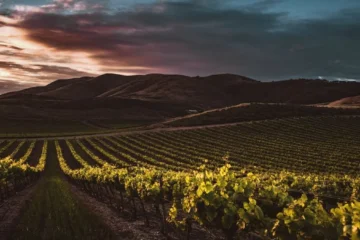
Higher elevation profiles offer even more concentrated experiences. The Sicus Garrut 2019, sourced from the ‘La Obaga Del Gojo’ vineyard at 220m, utilizes a combination of two months in amphora and six months in stainless steel. This method produces a rich, brooding liquid defined by firm tannins and an intense, savory structure. Whether through the light texture of the Sumoi or the bold, gastronomic weight of the Garrut, the project relies on indigenous varieties to anchor its identity. By pairing local clay with limestone-driven viticulture, Piè creates wines that feel deeply connected to the Spanish coast.
Which do you prefer in an orange wine: bright citrus acidity or heavy phenolic grip?
Questions & Answers
What methods does Eduard Piè use for wine fermentation and aging?
Eduard Piè utilizes tinajas, which are amphorae made from local clay, to ferment and age his wines. Rather than relying on traditional oak or stainless steel, he sometimes buries these clay vessels directly within the vineyards to ferment the fruit. This low-intervention approach prioritizes ancient vessel technology to amplify the inherent tension and site specificity of the Catalan terroir. By using local clay and limestone-driven viticulture, he creates wines that feel deeply connected to the specific coastal environment.
How do the different vineyard elevations affect the Sicus wines?
Different vineyard elevations produce varying levels of concentration and structural intensity in the Sicus wines. Lower elevation sites like the El Roldonar vineyard produce lighter, textured wines such as the Sumoi, which features silty calcareous soils and a low alcohol content. In contrast, higher elevation profiles like the La Obaga Del Gojo vineyard at 220m yield more concentrated experiences. The Garrut wine from this higher elevation is characterized by a rich, brooding liquid defined by firm tannins and intense savory structure.
What are the flavor profiles of the Sicus orange wines?
The Sicus orange wines feature bold, stony edges paired with lively citrus and orange peel notes. For example, the Sicus Cartoixà Brisat showcases the Xarel·lo variety with a distinct textural energy. Another option is the Sicus Pétillant Naturel A Wine Work Orange, which offers a wild and gently fizzy profile. These wines are described as being lively, tangy, and bright, often containing savory details and a grippy, phenolic character that highlights the unique characteristics of the local indigenous grape varieties.
Why does the Sicus Sumoi wine have such a specific texture?
The texture of the Sicus Sumoi is achieved through a specific combination of fermentation and aging techniques. The wine undergoes whole bunch fermentation followed by three months of aging in amphora and five months in stainless steel. This process, combined with the silty calcareous soils of the El Roldonar vineyard, results in a wine with textured cherry fruit and a savory twist. These methods allow the low-alcohol wine to maintain a unique structural energy despite its lighter profile.
Originally reported by Wine Anorak.