
⏱ 2 min read
The Short Version
Brazilian cooperative Cooabriel is facing legal scrutiny over allegations of failing to prevent slavery-like labor conditions on member farms. As global regulators tighten oversight, the industry is shifting from simple registry checks toward aggressive, preventative due diligence to avoid devastating import bans.
Brazilian cooperative Cooabriel faced a Nov. 16 hearing regarding allegations that it failed to prevent labor abuses on member farms. Prosecutors stated an October preliminary order requires the cooperative to implement stronger monitoring and specific measures to exclude coffee produced under slavery-like conditions. While Nestlé confirmed it purchases from the cooperative, the company told Reuters that none of the growers involved in this specific case were part of its direct supply chain. In response, Cooabriel maintained that it regularly checks Brazil’s labor violations registry and suspends any members who appear on those lists.
Companies need robust systems capable of identifying and addressing labor risks before shipments face enforcement.
Regulatory pressure and supply chain transparency
The legal scrutiny comes as human rights due diligence becomes a central concern for global importers. Verité’s Quinn Kepes has noted the growing relevance of forced labor import bans, particularly following the first U.S. Customs and Border Protection import ban focused specifically on coffee earlier this year. Companies need robust systems capable of identifying and addressing labor risks before shipments face enforcement. For cooperatives like Cooabriel, the challenge lies in moving beyond simple registry checks toward active, preventative oversight that can withstand legal challenges.
Shifting standards in specialty retail and production
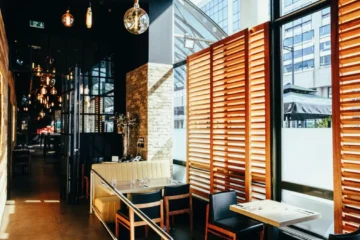
While labor issues dominate the headlines, the broader industry is navigating rapid structural changes. Rocket Espresso has debuted a new modular retail concept inside Chronic Coffee Roasters at Rue Argand 2 in Geneva, using matte black surfaces and mobile demonstration tables designed by OPS Team to adapt to varying store footprints. Meanwhile, Fair Trade USA announced it will raise its minimum price for washed arabica coffee from $1.40 to $2 per pound for contracts signed on or after Feb. 1, 2027. This move aims to realign core price floors with Fairtrade International after the two systems diverged last year.
Other significant shifts include Black Rock Coffee Bar defending itself against an amended securities class action lawsuit alleging misleading statements regarding growth and sales performance. In Hawaii, Scott Snyder confirmed he has stepped away from day-to-day leadership at Bad Ass Coffee of Hawaii, completing a planned transition after selling his ownership interest. These movements—from legal battles over transparency to evolving retail designs—underscore a sector attempting to balance operational expansion with increasing ethical accountability.
Do you believe cooperatives should be held legally responsible for the labor practices of individual member farms?
Questions & Answers
What are the allegations against the Cooabriel cooperative?
Cooabriel faces allegations that the cooperative failed to prevent labor abuses occurring on its member farms. Prosecutors have issued a preliminary order requiring the organization to implement much stronger monitoring systems to prevent these issues. Specifically, the cooperative must adopt measures to exclude any coffee produced under slavery-like conditions from its supply. In response to these claims, Cooabriel maintains that it regularly checks Brazil’s labor violations registry and suspends any members found on those official lists.
How much is Fair Trade USA increasing the minimum price for arabica coffee?
Fair Trade USA is raising its minimum price for washed arabica coffee from $1.40 to $2 per pound. This price adjustment applies to all new contracts signed on or after February 1, 2027. This significant increase aims to realign the core price floors of the organization with Fairtrade International standards following a divergence between the two systems last year. The move reflects broader industry efforts to address economic standards within the specialty coffee production and retail sectors.
Why is there increased regulatory pressure on coffee importers regarding labor practices?
Increased regulatory pressure stems from the growing importance of human rights due diligence and the implementation of forced labor import bans. A major driver is the first U.S. Customs and Border Protection import ban specifically targeting coffee earlier this year. Global importers now require robust systems to identify and address labor risks before shipments face enforcement actions. This shift forces cooperatives and companies to move beyond simple registry checks toward active, preventative oversight to ensure supply chain transparency.
What changes are happening with the leadership at Bad Ass Coffee of Hawaii?
Scott Snyder has stepped away from the day-to-day leadership responsibilities at Bad Ass Coffee of Hawaii. This move follows a planned transition after he completed the sale of his ownership interest in the company. His departure marks a significant leadership shift within the brand as it navigates changes in ownership. This transition is part of a wider series of structural movements and legal developments currently impacting various players throughout the global coffee industry.
Originally reported by Daily Coffee News.