Tea Facts

Discover tea varieties, brewing techniques, and health benefits. From green tea to oolong and beyond.

The Spice & Tea Exchange’s Matcha Collection: A Flavorful Revelation

The Spice & Tea Exchange’s Matcha Collection: A Flavorful Revelation

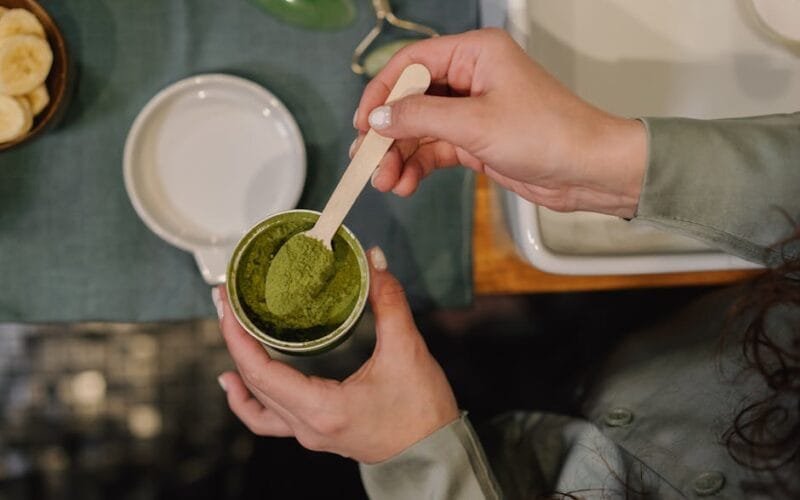
Matcha isn’t just a trend anymore—it’s a cultural phenomenon. Once confined to Zen rituals and Japanese ceremonies, it’s now a staple in lattes, desserts, and even ice cream. But its reputation for bitterness and earthiness has kept many from embracing it. Until now. After tasting every matcha powder from The Spice & Tea Exchange, I’m convinced the powder’s potential is far greater than its reputation suggests. The key lies in understanding its grades. Ceremonial matcha, the highest quality, is delicate and best enjoyed plain. Daily grade is more robust, ideal for lattes, while culinary grade is savory and suited for…
Read More
Green Tea as a Daily Ritual: My Week-Long Experiment Revealed

Green Tea as a Daily Ritual: My Week-Long Experiment Revealed

Let’s talk about the quiet power of green tea. For a week, I swapped my tea rotation for a single leaf—Mao Feng from Tea Pigs—and tracked how it reshaped my body’s rhythm. The result? A blend of subtle shifts and unexpected clarity. The first thing I noticed was energy. Unlike coffee’s sharp jolt, green tea delivered a steady, almost meditative alertness. No crash, no jitters—just a calm focus that lingered through my workday. My digestion followed suit, feeling slower and more settled, as if my system had found a new baseline. But the most profound change was mental. Brewing the…
Read More
Cha House Brews Community in Birmingham’s Avondale

Cha House Brews Community in Birmingham’s Avondale

Here’s something to stir your curiosity: A new neighborhood hub in Birmingham’s Avondale is redefining what a tea shop can be. Cierra Lober’s Cha House isn’t just about steeping leaves in hot water—it’s a cultural crossroads where tea meets creativity, conversation, and connection. Nestled next to Avondale Brewing at 131 41st Street South, this space is a testament to how tradition can spark modernity. The menu is a global journey, offering white, green, black, oolong, and herbal teas—all sourced from the Camellia sinensis plant, processed differently to yield distinct flavors. Prices range from $3 to $30, with most teas served…
Read More
A Year of Tradition and Tea: How Boba Religion is Redefining Vietnamese Culture in San Diego

A Year of Tradition and Tea: How Boba Religion is Redefining Vietnamese Culture in San Diego

The verdict is in: San Diego’s boba scene just got a new contender. Boba Religion, the Victorian-inspired tea house founded by first-gen Vietnamese American Vy Bui, is rewriting the script. After a year of quietly building a cult following, the shop has reached a milestone that feels less like a celebration and more like a testament to intention. This isn’t just about tea—it’s about reclaiming heritage, one carefully sourced ingredient at a time. From day one, Bui’s vision was clear: honor Vietnamese tea traditions without compromise. The tea arrives straight from Bao Loc, a village in Vietnam’s Central Highlands known…
Read More
Bubble Tea’s Hidden Dangers: What You Need to Know

Bubble Tea’s Hidden Dangers: What You Need to Know

This is worth savoring: Bubble tea, that sugary, tapioca-studded marvel, has become a global obsession—now as ubiquitous as coffee in British high streets. But beneath its Instagram-worthy swirls and sweetened allure lurks a growing health crisis. New research is casting a harsh light on the drink’s risks, from toxic contamination to digestive chaos and even kidney damage. The question isn’t whether bubble tea is bad for you—it’s how bad. The tapioca pearls, the drink’s star ingredient, are made from cassava starch, a plant notorious for absorbing heavy metals like lead from the soil. Consumer Reports found elevated lead levels in…
Read More
The Weekly Green, the Body’s Response: A Dietitian’s 7-Day Experiment

The Weekly Green, the Body’s Response: A Dietitian’s 7-Day Experiment

Pour yourself a cup for this one: A week of green tea taught me more about my body than I anticipated. As a dietitian, I’ve always leaned into tea’s versatility—Earl Grey one day, peppermint the next—but I wanted to test if green tea’s reputation as a superfood could deliver real results. I committed to a single blend, Tea Pigs Mao Feng, for seven days, curious about its impact on energy, digestion, and mental clarity. What I discovered wasn’t just about the tea itself—it was about how consistency and ritual can recalibrate even the most chaotic routines. The first few days…
Read More
A Dark Cacao Revelation in Every Steep

A Dark Cacao Revelation in Every Steep

There’s something brewing in the 2017 LaoTongZhi Pu Er Gong Bing that defies expectations. This tribute cake shu isn’t just another tea—it’s a masterclass in balancing boldness and subtlety. The first sip hits like a revelation, a rare moment where a tea makes you pause, savor, and say “WOW!” without overthinking. It’s not just about flavor; it’s about the way dark cacao bittersweet unfolds, coating your tongue and lingering like a whispered secret. The wet leaf aroma alone is a sensory shortcut—goji berry meets molasses, with a hint of gingerbread that hints at deeper layers. The first steep is where…
Read More
Can These Factory Teas Hold Their Own Against Baseline Standards?

Can These Factory Teas Hold Their Own Against Baseline Standards?

Let’s talk about the quiet revolution happening in the tea world—where factory teas are no longer just budget options but serious contenders for quality. If you’re diving into the world of Dayi, Xiaguan, or KTM, you’re stepping into a space where provenance matters, but so does intuition. The question isn’t just about whether these teas can match baseline standards—it’s about how they redefine what “baseline” even means. Batch numbers are the first clue. Dayi’s approach to tracking batches is a masterclass in transparency, with earlier batches often yielding teas that feel more alive, their terroir sharper. Xiaguan, meanwhile, is a…
Read More
The Tea-to-Water Ratio: Why It’s the Secret to Perfect Puerh

The Tea-to-Water Ratio: Why It’s the Secret to Perfect Puerh

Consider this your morning briefing: If you’ve ever wondered why your puerh tea tastes like a bitter punch to the mouth, you’re not alone. The tea-to-water ratio is the unsung hero of brewing, and getting it wrong can turn a delicate floral note into astringent chaos. Take Kuura’s 2025 Sheng, for example—it’s a fragrant marvel at 1–2g per 100ml, but a bitter disaster at 3–5g. The same goes for their “Electroflower Candy” white fermented, which loses its honeyed charm when oversteeped. This isn’t a fluke—it’s chemistry. Tea leaves release tannins and volatile compounds in direct proportion to their quantity. At…
Read More
Decoding the 2017 Sheng Pu-erh: A Collector’s Guide to Authenticity

Decoding the 2017 Sheng Pu-erh: A Collector’s Guide to Authenticity

Time to spill: A 2017 Sheng Pu-erh isn’t just a tea—it’s a time capsule of craftsmanship, geography, and cultural nuance. You’ve got a tea set from Raozhou or Qinzhou, with a production date pinned to January 1, 2017, and a label that hints at Yunnan’s legendary tea-making legacy. The question isn’t just about verifying authenticity—it’s about unlocking the story behind every leaf. Lincang City, Yunnan Province, is the epicenter of Sheng Pu-erh production, where large-leaf tea plants thrive in misty highlands. The 2017 vintage is critical: it’s a bridge between the bold, earthy profiles of earlier years and the refined…
Read More