Coffee Facts

Expert guides on coffee brewing, roasting, beans, and equipment. Master your coffee journey with in-depth articles.
Where Coffee Meets Vinyl: Pittsburgh’s New Listening Bar

Where Coffee Meets Vinyl: Pittsburgh’s New Listening Bar

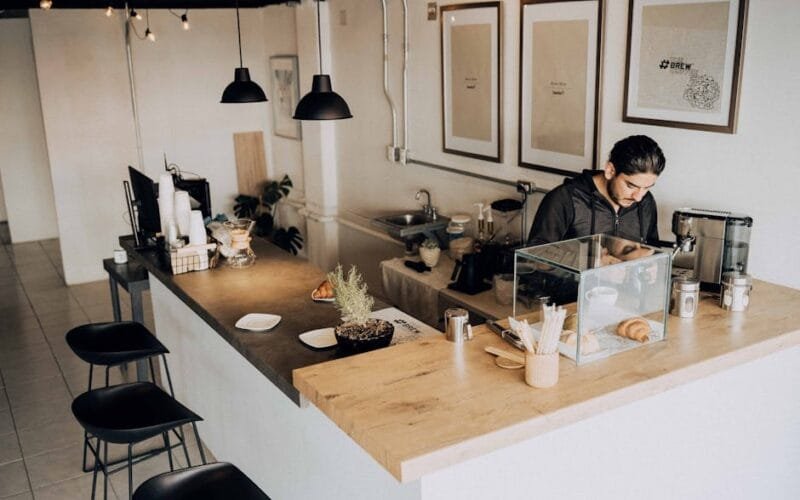
Consider this your morning briefing: Pittsburgh’s newest coffee destination is more than a cup—it’s a soundtrack. Pre Amp Coffee Studio, a hybrid of specialty coffee and vinyl culture, opened in November, redefining what a café can be. Nestled in Squirrel Hill, the space is a tightrope walk between retro charm and modern precision, where warm gold tones and vintage lighting frame a wall of album art. Vinyl spins constantly, inviting patrons to sip from bar stools or lounge seats, turning the shop into a living record player. The concept is a love letter to Japanese vinyl cafes and classic diners,…
Read More
Kloo Coffee Transforms Concentrates into Masterpieces of Flavor

Kloo Coffee Transforms Concentrates into Masterpieces of Flavor

Pour yourself a cup for this one: If you’ve ever felt like store-bought coffee concentrates are just a step above lukewarm water, you’re not alone. I’ve spent years chasing the perfect iced coffee—rotating between cold-brew machines and premade concentrates—only to be let down by bitterness, flatness, or an odd metallic tang. That changed when I stumbled on Kloo, a brand that treats coffee concentrates like fine wine. No longer do I settle for generic bitterness; Kloo’s approach is so refined, it feels like sipping a Cabernet Sauvignon in a glass. What sets Kloo apart? It starts with beans rated 85…
Read More
Kloo Treats Coffee Like Fine Wine—Here’s Why It Stands Out

Kloo Treats Coffee Like Fine Wine—Here’s Why It Stands Out

Here’s what you need to know: Coffee isn’t just a morning ritual—it’s an experience. And Kloo is redefining how we sip on it. While most store-bought cold brews feel like a rushed compromise, Kloo approaches concentrates with the precision of a sommelier, turning them into something far more refined. The brand’s obsession with quality isn’t just marketing—it’s a philosophy. Founded by Q grader Mariella Cho, Kloo sources only specialty-grade beans, which are evaluated by experts to meet rigorous standards. These beans, rated at least 80 on the SCA scale, are then roasted and aged like wine, unlocking layers of flavor…
Read More
AI and Specialty Coffee: The Future is Now, But at What Cost?

AI and Specialty Coffee: The Future is Now, But at What Cost?

The coffee world is changing, and AI is at the center of it. From grading green beans to predicting roast curves, artificial intelligence is reshaping specialty coffee. But as algorithms take over, the question isn’t just whether AI can improve coffee—it’s whether it can preserve the craft that made it special. AI’s most immediate value lies in tackling the inefficiencies that plague coffee businesses. Vision systems can spot insect damage or screen-size deviations faster than any human, while machine-learning models refine roast curves with precision, cutting down trial-and-error waste. These tools aren’t just streamlining workflows—they’re redefining quality control. James Corwin,…
Read More
Time Travel with Your Cup: Passenger Coffee Unveils a 10-Year-Old Harvest

Time Travel with Your Cup: Passenger Coffee Unveils a 10-Year-Old Harvest

Listen up: Pennsylvania’s Passenger Coffee is rewriting the rules of freshness by serving a Kenya Kiriani Peaberry harvested a decade ago. The roaster’s bold move—freezing green coffee at peak quality and releasing it years later—blurs the line between preservation and artistry. This isn’t just about nostalgia; it’s a statement on how specialty coffee can defy time. The 2016 crop, frozen and untouched until now, arrives with jammy blackcurrant sweetness and vibrant citrus tones, proving that patience can enhance, not diminish, a cup. Passenger’s freezing program, tested since 2014 and scaled in 2017, isn’t just a gimmick. It’s a strategic shift…
Read More
How to Calculate Shelf Life for Cold Brew Without Pasteurization

How to Calculate Shelf Life for Cold Brew Without Pasteurization

Here’s what you need to know: Cold brew’s shelf life isn’t just about time—it’s a science of safety and sensory clarity. For small-batch cold brew, refrigeration is your best ally, but without pasteurization, you’re balancing risk and reward. The goal? To nail a “best by” date that keeps your product safe, flavorful, and compliant until you scale up. Start by understanding the variables: temperature, ingredients, and packaging all play roles. Refrigeration slows microbial growth, but it doesn’t stop it entirely. Cold brew’s low acidity and high caffeine content create a unique environment—some bacteria and molds thrive in those conditions. To…
Read More
Uneven Roast? The Secret to a Perfect Batch

Uneven Roast? The Secret to a Perfect Batch

Time to spill: Uneven roasting is a common pain point, but it’s fixable with the right adjustments. You’re working with Brazilian Catuai-Catuai yellow beans from 1200 meters—high-altitude beans known for their density and slow development. At 82 points, they’re already a premium crop, but your roast profile is revealing a flaw. The weight loss from 800g to 708g suggests a medium-dark roast, yet the unevenness points to a deeper issue. The first crack timing—between 7 and 8.3 minutes—is a clue. That range is typical for medium roasts, but the inconsistency in color and texture suggests uneven heat distribution. Catuai beans,…
Read More
The Ethiopian Bean’s RoR Crash: Why It Happens and How to Fix It

The Ethiopian Bean’s RoR Crash: Why It Happens and How to Fix It

If you’ve ever roasted an Ethiopian bean and watched the RoR plummet at first crack, you’re not alone. This bean’s unique profile—marked by a sharp, bright acidity and a delicate balance of floral and citrus notes—often defies the expected roast curve. Unlike most beans, which see a RoR spike as CO2 escapes, this Ethiopian variety consistently drops. The question isn’t if it happens, but why and how to navigate it. The answer lies in the bean’s cellular structure and moisture content. Ethiopian coffees, particularly from regions like Guji Uraga, have a higher proportion of small, tightly packed cells. When heat…
Read More
The Art of Slow Roasting Coffee

The Art of Slow Roasting Coffee

This is worth savoring: If your coffee is hitting the dark side too soon, you’re not alone. A roaster with an 8-minute timer can feel like a luxury, but when your beans are turning too quickly, it’s time to rethink your approach. You’re roasting between 60-80g of green beans, yet second crack hits by the 4-minute mark—leaving you with underdeveloped, grassy flavors. The question isn’t just about time; it’s about balance. How do you stretch the roast window without sacrificing quality? The problem lies in the interplay between heat, airflow, and bean density. Kenyan washed and Colombian beans, while flavorful,…
Read More
Cupping Without the Frills: Why Home Roasters Can Skip the Fancy Gear

Cupping Without the Frills: Why Home Roasters Can Skip the Fancy Gear

Get ready to sip on this: Home roasting doesn’t require a lab setup. If you’re asking whether you need specialized cupping bowls, the answer is almost always no. Cupping is a tool for evaluation, not a ritual. When you roast at home, your goal is to taste your own work, not chase SCA benchmarks. A basic mug, even a paper cup, can do the job. The real question isn’t whether your gear is “fancy”—it’s whether it’s functional for your purpose. Let’s cut through the noise. Cupping bowls are designed to hold liquid, not to alter flavor. A 12-ounce glass or…
Read More