Coffee Facts

Expert guides on coffee brewing, roasting, beans, and equipment. Master your coffee journey with in-depth articles.

El Salvador’s Coffee Revolution: African Varieties Redefine the Specialty Scene

El Salvador’s Coffee Revolution: African Varieties Redefine the Specialty Scene

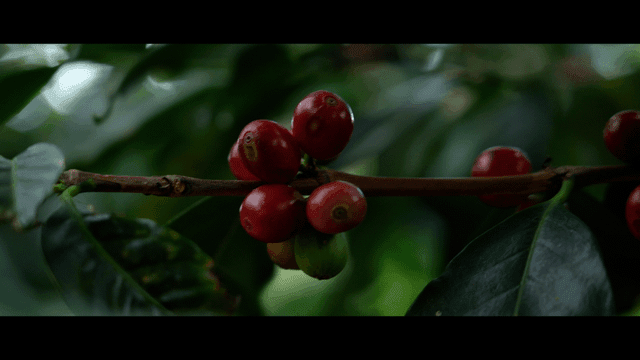
El Salvador’s coffee scene is undergoing a quiet revolution. While Bourbon and Pacamara have long been the pillars of its identity, a new wave of African-origin varieties is reshaping the landscape. From Gesha’s floral sharpness to SL28’s blackcurrant acidity, these beans are not just diversifying flavor profiles—they’re redefining the country’s place in the global specialty market. But behind the buzz lies a delicate balance of tradition, innovation, and the challenges of scaling these rare beans. For decades, El Salvador’s reputation has been built on its volcanic soils and the sweet, balanced profiles of Bourbon and Pacamara. Yet, as demand for…
Read More
Luckin’s Bold Move: Blue Bottle Acquisition and Coffee Trade Shifts

Luckin’s Bold Move: Blue Bottle Acquisition and Coffee Trade Shifts

This might just change your routine: Centurium Capital’s reported $400M acquisition of Blue Bottle signals a seismic shift in coffee’s global power dynamics. The deal, still unconfirmed, would see Luckin take control of Blue Bottle’s physical cafés while Nestlé retains its packaged goods arm. It’s a strategic play for Luckin, which has expanded to 31,040 stores globally, to bypass the time and cost of building a premium brand from scratch. The move echoes mid-2010s trends where giants like Nestlé bought specialty roasters to crack the premium segment—a tactic now reversed, with Luckin leveraging Blue Bottle’s reputation to scale faster. Meanwhile,…
Read More
Two Michigan Coffee Powerhouses Merge in Bold Move

Two Michigan Coffee Powerhouses Merge in Bold Move

Get ready to sip on this: Michigan’s coffee scene just got a whole lot more intertwined. Schuil Coffee Company, based in Grand Rapids, has acquired Leelanau Coffee Roasting Co., the Glen Arbor staple since 1993. The deal unites two icons of specialty coffee, blending their shared heritage with a fresh vision for growth. While financial terms remain private, the move signals a rare alignment in a fragmented industry. Schuil’s owner, Tim Volkema, called it “uncommon” to find a partner with such geographic and cultural overlap. That’s why, despite industry headwinds, the deal made sense. Leelanau’s roots run deep in Northern…
Read More
Seattle’s Coffee Scene: Where Culture Meets Craft

Seattle’s Coffee Scene: Where Culture Meets Craft

Seattle’s coffee scene isn’t just about beans—it’s a cultural movement. This city has long been a haven for coffee lovers, but the best shops here do more than serve great brews. They’re hubs for conversation, education, and experimentation. From analog-era simplicity to hyper-focused specialty bars, Seattle’s coffee shops are as varied as the roasters who fuel them. The city’s obsession with quality has birthed a landscape where tradition and innovation collide, and every cup tells a story. Analog Coffee on Summit Avenue East is a masterclass in understated excellence. Its wooden sign, newspaper-lined walls, and vinyl rotation hint at a…
Read More
Coffee Grounds: A Secret Weapon for Roasted Veggies

Coffee Grounds: A Secret Weapon for Roasted Veggies

Get ready to sip on this: Used coffee grounds aren’t just trash—they’re a flavor booster for roasted veggies. Chef Tatiana Mora of Mita in Washington, D.C., reveals how these spent grounds can elevate your vegetable dishes with earthy depth and subtle bitterness. “Finely ground coffee adds a roasted bitterness that enhances caramelization,” she says. It’s a game-changer for veggies like carrots, sweet potatoes, and beets, which naturally pair with coffee’s complexity. The magic lies in balance. Fresh grounds are packed with aroma, but once brewed, they’re mellowed—perfect for a background note. Mora recommends ½ to 1 teaspoon per pound of…
Read More
The Best Coffee Scenes in San Francisco

The Best Coffee Scenes in San Francisco

San Francisco’s coffee culture is a blend of grit and refinement, where every cup tells a story of resilience and artistry. From minimalist sanctuaries to bustling hubs of community, the city’s cafés are more than just places to grab a brew—they’re spaces where passion and precision collide. Here’s where the real magic happens. The Bold Italic, nestled in Russian Hill, redefines what a café can be. Its Scandinavian-inspired design and direct-trade ethos feel like a masterclass in ethical coffee. The espresso here isn’t just brewed—it’s orchestrated, with a clarity and brightness that cuts through the city’s fog. It’s a place…
Read More
The Silverskin Mystery: Why Your Roasts Keep Turning Dark

The Silverskin Mystery: Why Your Roasts Keep Turning Dark

Pour yourself a cup for this one: You’re chasing perfection in your home roast, yet your beans keep emerging dark, no matter how precise your timing. The culprit? Silverskin. This thin, papery layer clings to green coffee like a stubborn shadow, and if you’re not removing it, you’re fighting the roast itself. Silverskin is the outermost layer of the bean, a natural protective shell that hardens during drying. While some roasters leave it intact, others strip it away for consistency. Your beans, however, are still clinging to it—likely because hulling isn’t fully removing the layer. This film acts as an…
Read More
The Coffee Harvest of 2026: Tracing the Beans Behind Your Brew

The Coffee Harvest of 2026: Tracing the Beans Behind Your Brew

Real talk: The coffee you sip each morning isn’t just a bean—it’s a global story unfolding in 2026. From high-altitude Ethiopian farms to the misty slopes of Colombia, the coffee harvest is a delicate dance between tradition, climate, and commerce. This year’s crop is shaped by rising temperatures, shifting rainfall patterns, and a growing demand for ethically sourced beans. What does that mean for your morning cup? Let’s cut through the noise. The 2026 harvest is defined by two extremes: drought in key growing regions and a surge in sustainable farming practices. In Ethiopia, where Arabica beans thrive in cool,…
Read More
The SR800’s Espresso Flavor Conundrum

The SR800’s Espresso Flavor Conundrum

Consider this your morning briefing: If your espresso blend tastes like a forgotten bag of beans, you're not alone. For six months, a roaster has battled the SR800’s espresso blend, chasing flavor that never materializes. The beans smell promising in sealed bags but deliver a stale, muted profile once opened—regardless of roast time or origin. Even after waiting a week, the issue persists, suggesting something deeper than just freshness. The problem isn’t the beans. The user tried three importers, swapping naturals and washed profiles, yet the results were eerily consistent. The blend—Colombian Huila, Brazilian Cerrado, Sumatran Mandheling, and Indian Kaapi…
Read More
The Light Roast Dilemma: When Darkness Hides the Flavor

The Light Roast Dilemma: When Darkness Hides the Flavor

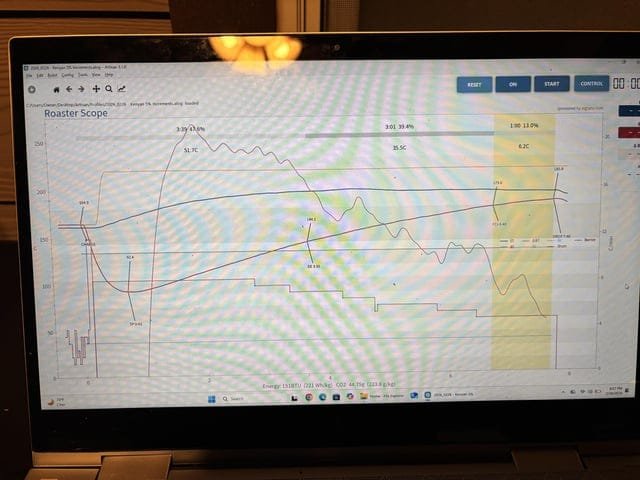
Pour yourself a cup for this one: You’re chasing fruit-forward light roasts, but your beans keep emerging dark, their flavor buried under roast character. It’s a common trap—especially when juggling gear like the Kaleido M1 Lite, Skywalker v1, and sr800. The problem isn’t the equipment; it’s the disconnect between roast time, temperature, and how lightness translates to color. Here’s the crux: Light roasts don’t always look light. A 1:00 to :30 development time after first crack might seem like a safe bet, but if your beans are still dark when you grind them, you’re missing the bigger picture. Temperature curves…
Read More