Coffee Facts

Expert guides on coffee brewing, roasting, beans, and equipment. Master your coffee journey with in-depth articles.

The Ultimate Guide to Coffee Subscriptions: Fresh Beans, Convenience, and Flavor Exploration

The Ultimate Guide to Coffee Subscriptions: Fresh Beans, Convenience, and Flavor Exploration

Coffee subscriptions have become a game-changer for enthusiasts and casual drinkers alike, offering a seamless way to enjoy fresh, high-quality beans without the hassle of grocery runs or last-minute purchases. These services cater to a range of preferences, from those who crave consistency in their daily brew to adventurers eager to taste rare single-origin beans. By subscribing, you unlock a world of convenience, curated selections, and the assurance of always having a stash of coffee on hand. At their core, coffee subscriptions operate like other recurring services: you choose your delivery frequency, bag size, and sometimes even your preferred roast…
Read More
The First Hire That Could Define Your Roastery’s Future

The First Hire That Could Define Your Roastery’s Future

If you're building a roastery from the ground up, the first hire isn’t just a job—it’s a strategic move that could shape your business’s trajectory. The question isn’t just who to bring on, but why that person matters. For founders balancing passion and practicality, the decision hinges on aligning talent with long-term goals. Take sales, for example: hiring someone to scale wholesale clients can unlock growth, but a misstep here risks alienating existing partners. Conversely, a roaster could offer a rare blend of technical expertise and operational freedom, letting founders step away from daily grind. Yet, the appeal of a…
Read More
The Alcoholic Notes in Sudan Rume: A Roaster’s Dilemma

The Alcoholic Notes in Sudan Rume: A Roaster’s Dilemma

The verdict is in: Sudan Rume natural process coffee is a paradox of brightness and depth, and its brandy-like notes are both a marvel and a mystery. When roasted lightly and rested for five days, this bean from Captain’s Coffee reveals a profile that’s almost too refined—floral, almost sweet, with an undercurrent of something uncanny. It’s as if the coffee was steeped in a vintage liqueur, leaving you wondering if you’ve stumbled upon a rare terroir or a flawed batch. The question isn’t just about taste; it’s about balance. How do you coax out the complexity without letting the alcohol-like…
Read More
The Premium Coffee Mirage in Coffee-Producing Countries

The Premium Coffee Mirage in Coffee-Producing Countries

Let’s talk about the coffee you’re not actually drinking. In coffee-producing regions, the line between premium and poor quality is blurred by a simple truth: the best beans are exported, while the rest are repurposed. Local roasters and shops often sell what’s left as “organic premium,” charging prices that don’t match the product. A 12-ounce bag of “fresh ground” coffee in Mexico costs around $5, yet it’s not the same as the beans shipped to specialty markets. This isn’t just a pricing issue—it’s a systemic problem where quality is sacrificed for profit. The reality is stark: big coffee companies buy…
Read More
Mastering the Roast: How to Bring Out Flavor in Washed Guatemalan Huehuetenango

Mastering the Roast: How to Bring Out Flavor in Washed Guatemalan Huehuetenango

This might just change your routine: If you’re struggling to coax flavor from washed Guatamalan Huehuetenango on your R1 bullet, you’re not alone. The bean’s bright acidity and citrus-forward profile are notoriously tricky to highlight, especially when the roast feels flat. But the solution lies in precision—not just with heat, but with timing and technique. Washed Huehuetenango thrives on clarity. Its clean, vibrant notes of lemon zest, stone fruit, and a whisper of cocoa demand a roast that’s deliberate, not aggressive. The R1 bullet’s consistent heat is a plus, but without fine-tuning, it can flatten the bean’s natural brightness. Start…
Read More
First Roast with Gene Cafe CBR-101: A Roaster’s Honest Take

First Roast with Gene Cafe CBR-101: A Roaster’s Honest Take

First time behind the roaster, and the results? A mix of triumph and curiosity. You preheated to 235°C for five minutes, then let the beans take over—only to realize the green was gone by 6:15. A quick temperature hike to 245°C followed, but first crack? You’re not sure if it was 10 minutes or a trick of the light. You stopped at 12 minutes, cooled in a sieve, and now you’re questioning whether this was medium or flirting with medium-dark. The math doesn’t lie: 250g in, 209g out. A 16.4% loss—more than the average 12–15% for a medium roast. The…
Read More
Is Your Roast’s Line Too Light? Decoding the Mystery of Medium Roasts

Is Your Roast’s Line Too Light? Decoding the Mystery of Medium Roasts

There's something brewing in your kitchen—literally. You’ve taken the plunge into home roasting, chasing that perfect cup of coffee, but now you’re staring at a batch of beans that look like they’ve been through a storm. The line is lighter than expected, the outside darkens faster than a summer storm, and you’re left wondering: is this a sign of underdevelopment, or just the natural rhythm of the roast? Let’s cut through the confusion. When you roast coffee, the “line” refers to the point where the bean’s outer shell cracks open, signaling the start of the first crack. This is the…
Read More
The Secret to Fruit-Forward Roasts: Why Shorter Development Times Work

The Secret to Fruit-Forward Roasts: Why Shorter Development Times Work

Pour yourself a cup for this one: coffee roasting isn’t about chasing ratios—it’s about mastering development time. For years, I clung to 40/40/20 or 40/45/15 ratios on my SR800 fluid bed roaster, only to stare at underwhelming fruit notes. The numbers felt safe, but the results? Bland. Take a 10-minute roast reaching first crack at 8 minutes: 20% development time. The outcome? A flat, unremarkable cup. But when that same roast hit first crack with just 30 seconds of development time—5.88% DT—it burst with sweetness, brightness, and a vibrant fruit profile. That’s the magic I’ve leaned into 99% of the…
Read More
The Strange Silence of Robusta Roasting

The Strange Silence of Robusta Roasting

There's something brewing in the world of Robusta roasting that’s leaving even seasoned roasters scratching their heads. A Reddit user shared their experience with an Indian Robusta, roasted on an SR800 with a razzo tube, and described a process that defies expectation. The coffee followed the standard roasting arc—drying, yellowing, browning—but skipped the first crack entirely. Instead of the telltale snap signaling the start of development, it browned as if it had already cracked. The user, aiming for espresso, eventually hit the second crack, yielding a cup that tasted fine when blended with a Rwanda. But the question lingers: is…
Read More
The Libra vs. AGS Grinders: Decoding Flavor Differences

The Libra vs. AGS Grinders: Decoding Flavor Differences

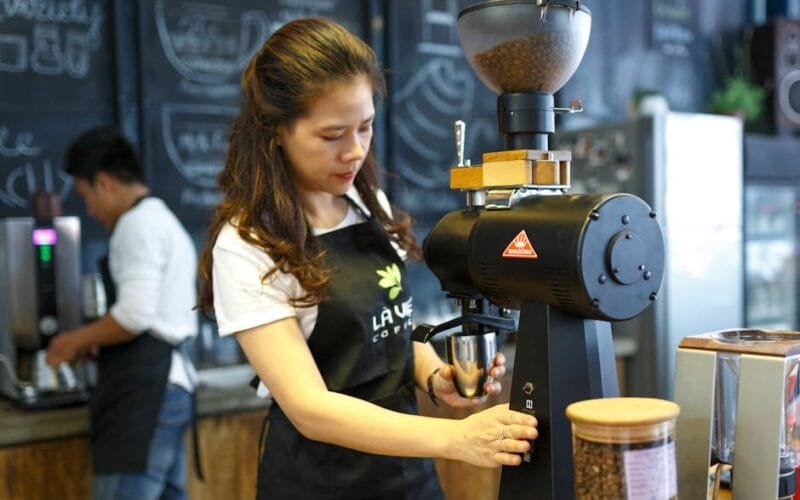
Consider this your morning briefing: When it comes to espresso, the grinder you choose isn’t just about grind size—it’s about how the beans breathe. The Eureka Libra and All Ground Sense (AGS) are two legends in this space, but their philosophies diverge like coffee and tea in a café. The Libra, with its conical burrs, is a traditionalist’s tool, while the AGS, with its flat burrs, leans into precision. But how do these differences translate to flavor? The Libra’s reputation hinges on its ability to coax out depth and richness. Conical burrs create a more uneven grind, which means slower…
Read More