⏱ 1 min read
The Short Version
Akai House’s matcha leaves a stubborn, fibrous residue that defies expectations, hinting at a unique processing or sourcing anomaly. The texture, persistent across multiple cultivars, raises questions about its origin and significance.
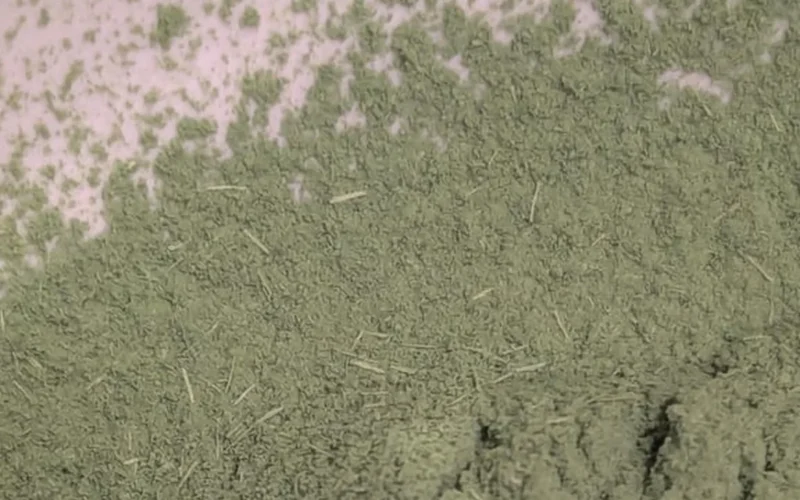
This isn’t the first time matcha has surprised you. But the gritty texture clinging to your tongue after a bowl of Akai House’s powder? That’s new. The fibers, long and stringy, persist even after whisking. They’re not just a byproduct of grinding—they’re there, stubborn as a bad habit. The user tried four cultivars, all with the same texture. It’s not a fluke. It’s a pattern.
The fibers are a peculiar byproduct, hinting at a disconnect between the tea’s origin and its final form.
The Texture That Won’t Go Away
Matcha’s supposed to be silky, a smooth cascade of umami and earth. But Akai House’s version feels like it’s got a hidden agenda. The fibers, long and stringy, persist even after whisking. They’re not just a byproduct of grinding—they’re there, stubborn as a bad habit. The user tried four cultivars, all with the same texture. It’s not a fluke. It’s a pattern.
What Could Be Causing the Fibers?
Theories swirl. Could it be stem fragments? The tea plant’s vascular tissue, left behind during processing? Or is it a byproduct of the matcha’s unique origin? Akai House’s methods are proprietary, but the fibers suggest a deviation from the norm. Other vendors don’t report this, raising questions about sourcing, processing, or even the tea’s maturity. The answer might lie in the plant itself—or the way it’s handled after harvest. The fibers are a peculiar byproduct, hinting at a disconnect between the tea’s origin and its final form. So here’s the question: are these fibers a sign of quality, a flaw, or something else entirely? What’s your take on the texture? Share your thoughts below.
Questions & Answers
What causes the fibrous texture in Akai House matcha?
The fibrous texture in Akai House matcha is believed to stem from stem fragments or vascular tissue left during processing. These fibers are long and stringy, persisting even after whisking. The issue appears consistent across four cultivars, suggesting a pattern rather than an accident.
How does the fibrous texture differ from traditional matcha?
Traditional matcha is known for its silky texture, a smooth cascade of umami and earth. In contrast, Akai House matcha has a gritty, fibrous texture that clings to the tongue. This texture is unusual and not a byproduct of grinding but seems to be a characteristic of the tea itself.
Could the fibrous texture indicate a flaw in the matcha?
The fibrous texture may signal a deviation from standard matcha processing. It raises questions about sourcing, maturity, or handling post-harvest. While it’s not necessarily a flaw, it suggests a unique characteristic that sets Akai House matcha apart from others.
What might explain the consistent fibrous texture across cultivars?
The consistent fibrous texture across four cultivars hints at a possible issue in the tea’s origin or processing. It could relate to the plant’s structure, how it’s harvested, or the proprietary methods used by Akai House. The fibers suggest a disconnect between the tea’s source and its final form.
Originally reported by Reddit Matcha.