

⏱ 1 min read
The Short Version
With only three percent of vineyards dedicated to Chardonnay, Beaujolais Blanc is a rare viticultural secret offering Burgundian elegance without the heavy price tag. Seek out Pierres Dorées labels for mineral-driven, high-value whites that punch far above their weight.
In This Article
Coffee lovers, wine enthusiasts, tea devotees—prepare to rethink your perception of Beaujolais. While the region is synonymous with Gamay-driven reds, its white wines are quietly becoming one of the industry’s best-kept secrets. These Chardonnays offer a profile remarkably similar to their neighbors in Burgundy but often at a significantly more accessible price point.
This may be the natural limit since the clay-limestone alluvial soils more suited to Chardonnay are quite rare compared to the Gamay-friendly granite soils.
A Rare Viticultural Niche
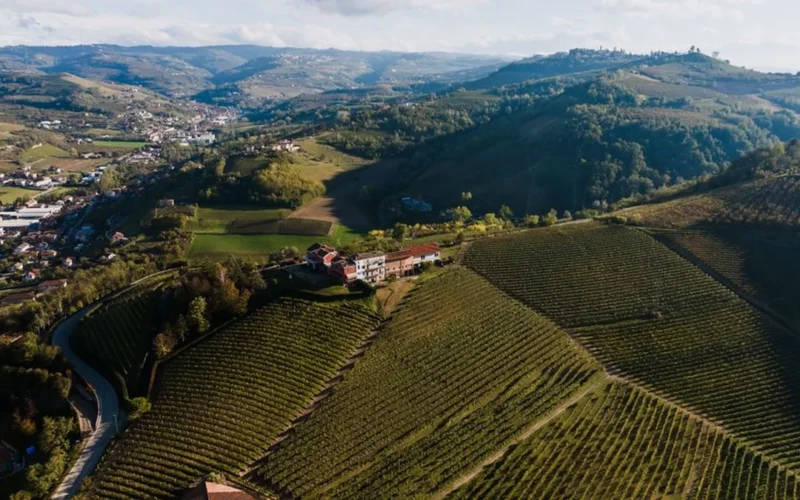
The scarcity of these wines stems from the landscape itself. Because much of the region is dominated by granite soils ideal for Gamay, Chardonnay finds a home only in specific pockets. Only about three percent of Beaujolais vineyards are planted with the grape, primarily where clay-limestone alluvial soils emerge in the south. This may be the natural limit since the clay-limestone alluvial soils more suited to Chardonnay are quite rare compared to the Gamay-friendly granite soils. This rarity extends to labeling as well; while northern crus define the reds, many whites are categorized under Beaujolais or the specialized Pierres Dorées designation, denoting the golden limestone soils that mirror high-end Burgundian terroirs.
Finding Value in the South
For those hunting for quality on a budget, the sweet spot typically lands between $20 and $30. Producers like Jean-Paul Brun deliver mineral-driven expressions aged in steel and concrete, offering notes of pear and fennel seed that punch far above their weight. If you prefer something with a bit more texture, look for bottles utilizing larger used oak barrels to provide subtle hints of vanilla without masking the fruit. Some standout selections, such as those from Maxime and Antoine Graillot, bring a richness reminiscent of Mâcon-Villages, blending white peach and citrus with an organic, biodynamic soul. Whether you opt for a crisp, non-oaked version or a slightly richer style, these wines serve as the perfect companion for informal, late-summer dining. Have you ever discovered a stellar white wine in a region typically known for its reds?
Questions & Answers
Why are Beaujolais white wines considered a good value compared to Burgundy?
Beaujolais white wines offer a profile remarkably similar to high-end Burgundian Chardonnays but at a significantly more accessible price point. These wines provide elegance and complexity while often costing between twenty and thirty dollars per bottle. Because the region is primarily known for Gamay reds, these rare Chardonnay expressions remain one of the industry's best-kept secrets for consumers seeking quality without the premium Burgundian price tag.
What makes Chardonnay production so limited in the Beaujolais region?
The scarcity of Beaujolais white wine is caused by a landscape dominated by granite soils that are ideal for Gamay grapes. Chardonnay can only thrive in specific pockets where clay-limestone alluvial soils emerge, which represents only about three percent of the total vineyards in the region. This geological limitation means that the specialized soil needed for quality white wine production is much rarer than the granite found throughout the rest of the area.
How do different aging methods affect the flavor profile of Beaujolais Blanc?
Aging methods determine whether a Beaujolais white wine is mineral-driven or more textured and rich. Producers using steel and concrete tanks typically create expressions characterized by notes of pear and fennel seed. Conversely, winemakers who utilize larger used oak barrels provide the wine with added texture and subtle hints of vanilla. These different approaches allow drinkers to choose between crisp, fruit-forward styles and richer selections reminiscent of Mâcon-Villages.
What characterizes the Pierres Dorées designation in Beaujolais?
The Pierres Dorées designation denotes specific areas within Beaujolais featuring golden limestone soils. These unique soils are highly significant because they mirror the high-end terroirs found in famous Burgundian wine regions. While many white wines are simply categorized under the broader Beaujolais label, the Pierres Dorées classification highlights these specialized limestone pockets that allow for the production of premium, terroir-driven Chardonnay.
Originally reported by VinePair.


[…] relative of Pinot, it offers a more playful, savory edge, especially when sourced from classic Beaujolais producers like Domaine Lapierre. For those who prefer the soft tannins and strawberry notes of Pinot but want […]