
⏱ 2 min read
The Short Version
Skip the $30–$45 price trap where inflated labels mask mediocre vintages. To find genuine soul, ignore mass-market trends and invest in terroir-driven producers like Vincent Gaudry or Gérard Boulay for unmatched mineral depth and texture.
In This Article
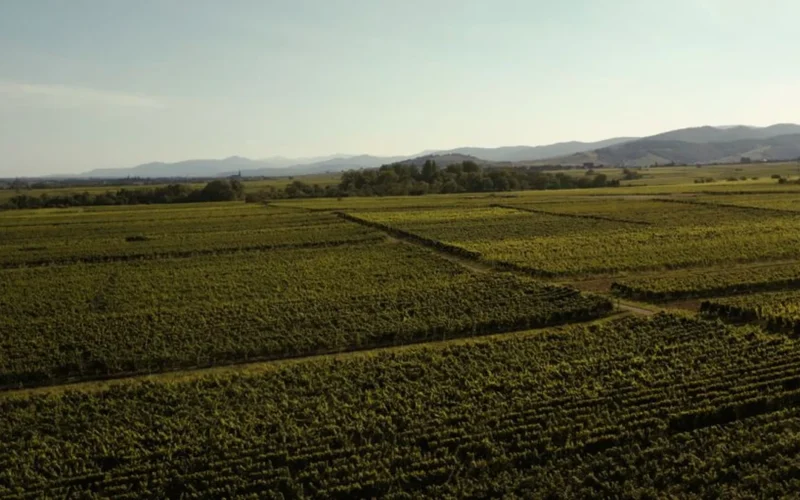
This is worth savoring: Sauvignon Blanc has been flattened by decades of commercialization, leaving many drinkers disillusioned with the grape’s potential. While mass-market versions often lack soul, Sancerre remains a steadfast beacon of purity. The region’s complex mix of Kimmeridgian marl, flinty silex, and limestone creates wines defined by bright acidity and notes of lemon zest and wet stone. However, rising popularity has pushed prices upward, creating a gap where some $50 bottles offer little more than an inflated label.
His wines are textural and precise without being scary expensive.
Seeking Texture Over Trend
To find true value, professionals suggest looking toward producers who prioritize soil expression over simple fruitiness. Vincent Gaudry is a standout name here; his biodynamic approach results in wines that are saltier and deeper than the average bottle. His ‘Le Tournebride’ offers a gentle minerality and excellent mouthfeel for around $50, making it a versatile partner for everything from roasted chicken to croquettes. For those seeking something even more robust, his ‘Mélodie de Vieilles Vignes’ provides a powerful alternative. His wines are textural and precise without being scary expensive. Similarly, Domaine Vacheron’s Guigne-Chèvres utilizes biodynamically farmed, limestone-rich soils to produce a wine that feels both playful and powerful. This isn’t just another crisp white; it is a laser-focused expression of terroir that can captivate even the most devoted red wine drinkers. If you prefer a profile that leans into herbal basil rather than green pepper, Lucien Crochet’s ‘La Croix du Roy’ serves as a classic, citrusy representation of the region.
Avoiding the Middle Ground
Smart buying in Sancerre requires navigating specific price traps. Some experts advise avoiding the $30 to $45 range entirely, noting these bottles often represent older, cheaper vintages that have seen a price hike without an actual increase in quality. Instead, investing in higher-end producers like Gérard Boulay can yield better results. Located in the prestigious Chavignol sub-zone, Boulay produces regal, taut wines with a unique powdery, stony mouthfeel. Whether opting for the bolder ‘Clos de Beaujeu’ or the incredibly balanced ‘Monts Damnes,’ choosing established names from coveted vineyard sites ensures your investment translates directly to sensory depth. Do you find that Sancerre’s rising prices are still justified by its distinct mineral character?
Questions & Answers
What makes Sancerre wines taste different from mass-market Sauvignon Blanc?
Sancerre wines are defined by their bright acidity and distinct notes of lemon zest and wet stone. This unique flavor profile is created by the region's complex soil composition, which includes limestone, flinty silex, and Kimmeridgian marl. Unlike many commercialized versions of Sauvignon Blanc that can feel flat or soul-less, these specific geological elements allow Sancerre to maintain a sense of purity and deep mineral expression in every bottle.
Which Sancerre producers offer the best value for money?
Vincent Gaudry and Domaine Vacheron are excellent choices for drinkers seeking high quality without excessive costs. Gaudry utilizes biodynamic farming to create textural, salty wines like Le Tournebride, which provides great mouthfeel for around fifty dollars. Similarly, Domaine Vacheron produces the Guigne-Chèvres, a wine that uses limestone-rich soils to deliver a powerful and laser-focused expression of terroir. These producers prioritize soil expression over simple fruitiness to ensure a deeper sensory experience.
How should consumers avoid price traps when buying Sancerre?
Consumers can avoid common price traps by steering clear of the thirty to forty-five dollar price range. Bottles in this specific bracket often consist of older, lower-quality vintages that have received price increases without any actual improvement in wine quality. To ensure a better investment, it is more effective to skip this middle ground and instead purchase higher-end bottles from established producers like Gérard Boulay, whose wines offer significant sensory depth and complexity.
Why are certain Sancerre sub-zones considered more prestigious?
Specific sub-zones like Chavignol are highly regarded because they host coveted vineyard sites that produce superior wine characteristics. For example, producers located in Chavignol, such as Gérard Boulay, are able to create regal and taut wines with a unique powdery, stony mouthfeel. Investing in these established names from prestigious locations ensures that the higher price tag translates directly into a more complex and balanced tasting experience for the consumer.
Originally reported by VinePair.