⏱ 2 min read
The Short Version
Forget Prosecco; the real momentum is shifting toward the high-altitude terroir of the Dolomites. Producers like Andreola are ditching high-volume bubbles to master complex, site-specific still wines, proving that even sparkling giants can pivot toward serious viticultural precision.
From the high-altitude vineyards of the Dolomites to the automated taps of Soho, this week’s industry shifts reveal a tension between artisanal precision and scalable convenience. While retail expansion dominates the headlines, the real momentum lies in producers reclaiming their regional identity through technical rigor.
Diversifying the Veneto
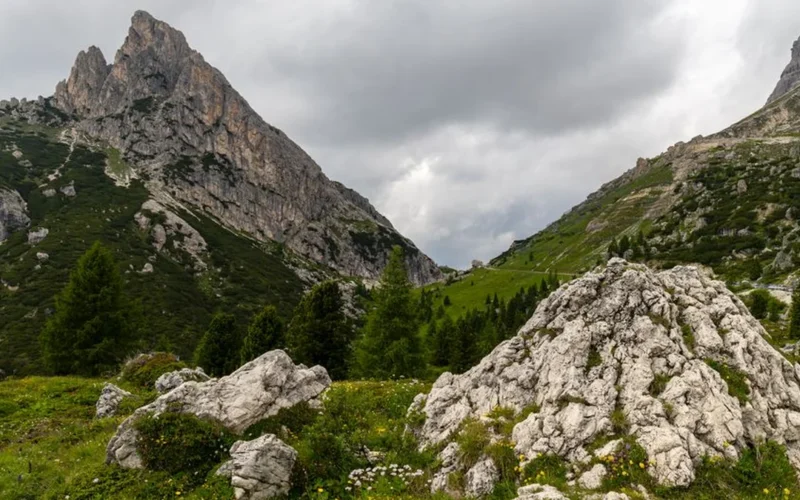
Andreola is proving that fame in one category does not necessitate stagnation. Best known for medal-winning Prosecco, the producer is now looking toward the Belluno Dolomites to showcase a different side of the Veneto. By cultivating nine hectares specifically for a five-wine range including Riesling and Traminer, Stefano Pola is moving beyond bubbles to explore still wine expressions that highlight mountain terroir. [This pivot challenges the industry to view high-volume sparkling houses as serious architects of complex, site-specific viticulture.]
New talent and emerging regions
Recognition of individual craft remains a cornerstone of industry prestige. Tim Atkin MW recently named Laura Principiano of Zuccardi Valle de Uco as Young Winemaker of the Year, highlighting her ability to navigate everything from Albariño to Malbec with precision. This focus on technical excellence is mirrored in Europe, where the Lugana DOC on Lake Garda continues to gain traction through its Turbiana-led whites. Producers like Le Morette and Zenato are leading a movement that prioritizes geographic identity over generic branding.
Retail innovation meets tradition
While producers refine their craft, the way we consume wine is undergoing a digital makeover. Vagabond Wines has launched its largest venue yet in Soho, utilizing a 6,000 sq ft space to house a self-pour system featuring 140 wines by the glass. This shift toward automation raises an essential question: can a machine-led interface truly do justice to the technical mastery of producers like Andreola or Zuccardi? As we prioritize frictionless access for a new generation, we must ensure that high-tech convenience doesn’t dilute the nuanced storytelling required to appreciate these complex regional profiles. Meanwhile, the 33rd Best Student Sommelier Competition reminds us that the human element remains vital, as 43 candidates compete to master the technical rigors of professional service.
Do you prefer the high-tech ease of self-pour wine bars or the traditional ritual of table service?
Questions & Answers
Why is the producer Andreola shifting its focus from Prosecco to the Dolomites?
Andreola is moving toward the Belluno Dolomites to showcase a different side of the Veneto region through still wine expressions. While they are widely recognized for their medal-winning Prosecco, Stefano Pola is now cultivating nine hectares specifically to highlight mountain terroir. This new direction includes a five-wine range featuring varieties like Riesling and Traminer. The pivot allows the producer to demonstrate technical rigor and move beyond high-volume sparkling wines toward more complex, site-specific viticulture.
What role does technical excellence play in current wine industry recognition?
Technical excellence serves as a cornerstone of prestige by highlighting individual craft and geographic identity over generic branding. This is exemplified by Laura Principiano of Zuccardi Valle de Uco, who was named Young Winemaker of the Year for her precision across various varieties like Albariño and Malbec. Similarly, producers in the Lugana DOC region are gaining traction by prioritizing specific regional characteristics. This industry focus emphasizes the importance of a winemaker's ability to navigate diverse grapes with high levels of skill.
How is retail innovation changing the way consumers access wine in urban areas?
Retail innovation is driving a digital makeover through the implementation of automated, self-pour systems in large-scale venues. Vagabond Wines has demonstrated this trend by opening a massive 6,000 sq ft space in Soho that utilizes technology to offer 140 different wines by the glass. This shift toward automation aims to provide frictionless access for a new generation of consumers. However, it also creates a tension between the convenience of machine-led interfaces and the technical mastery required by traditional producers.
Which wine regions are currently gaining traction through specific grape varieties?
The Lugana DOC on Lake Garda is gaining significant industry traction through its focus on Turbiana-led white wines. Leading producers such as Le Morette and Zenato are at the forefront of this movement, which prioritizes regional identity and geographic specificity. By centering their efforts on these distinct varieties, they are helping to move the market away from generic branding toward a deeper appreciation of local terroir. This trend reflects a broader industry shift toward honoring specific, high-quality geographic origins.
Originally reported by The Drinks Business.