⏱ 1 min read
The Short Version
Identical green beans rarely yield identical cups because roasting is an unpredictable alchemy of machine architecture and human intuition. Whether through drum conduction or air velocity, every roaster’s unique thermal profile fundamentally rewrites the bean's cellular flavor.
In This Article
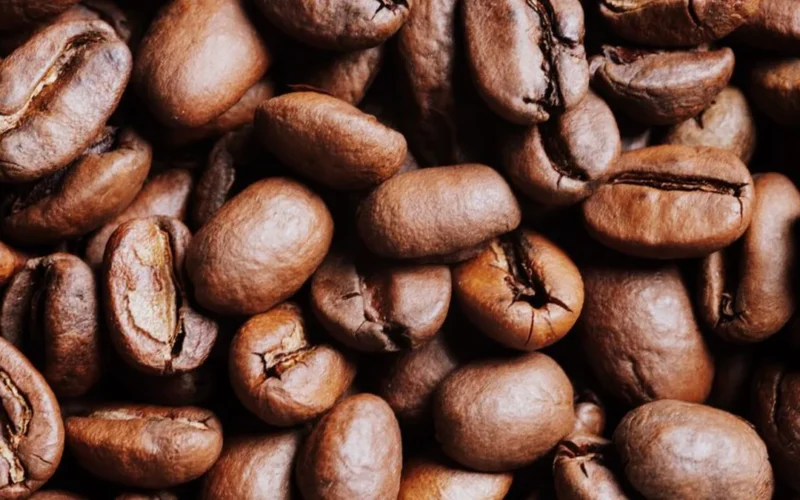
Real talk: buying a bag from your favorite roaster doesn’t guarantee you are tasting the farm, but rather a specific interpretation of it. Even if two companies source the exact same lot from the same harvest and processing method, the final cup will rarely be identical. The magic—and the inconsistency—happens in the transition from green seed to roasted bean.
The machinery of flavor
The physical architecture of a roaster dictates how heat penetrates the coffee. A drum roaster relies on conduction and convection through heavy metal, while air roasters use high-velocity hot air to suspend the beans. These thermal profiles fundamentally alter how sugars caramelize and organic acids develop within the bean’s cellular structure. [Because every machine manages airflow and drum speed differently, no two roasting environments are truly equal.]
The human element
Beyond the hardware, the individual operator brings a subjective lens to the process. Modern roasters increasingly rely on data logging software like Cropster to standardize heat application and replicate successful profiles with digital precision. Yet, this technical rigor exists in constant tension with human intuition; a few seconds of difference in the development phase can shift a profile from bright acidity to heavy sweetness. One roaster might prioritize floral clarity by pulling early, while another chases body through a longer roast.
The “origin” is merely the raw material for a much more complex alchemy. You are consuming a marriage between the farmer’s processing decisions and the roaster’s technical execution. This inherent variability is why we can enjoy the same Ethiopian heirloom lot in two different cities and find them to be distinctly different experiences. Understanding this helps you move past chasing specific notes and start appreciating the roaster’s signature.
Does your palate lean toward the high-clarity transparency of light roasts, or do you prefer the structural depth found in more developed profiles?
Questions & Answers
Why do different roasters produce different flavors from the same coffee beans?
Different roasting profiles create unique flavor interpretations even when using identical green coffee. The final taste depends on how heat penetrates the bean and how sugars caramelize during the process. Factors such as the type of roasting machinery used and the specific technical decisions made by the operator fundamentally alter the organic acids and sweetness development. Consequently, two companies sourcing the exact same harvest lot will rarely produce an identical cup of coffee.
How does the type of roasting machine affect the flavor of coffee?
The physical architecture of a roaster dictates how heat is applied to the beans, which changes their chemical structure. Drum roasters utilize conduction and convection through heavy metal to transfer heat, whereas air roasters use high-velocity hot air to suspend the beans. Because every machine manages airflow and drum speed differently, no two roasting environments are truly equal. These distinct thermal profiles directly influence how organic acids develop and how sugars caramelize within the bean.
What role does human intuition play in the coffee roasting process?
Human intuition acts as a subjective lens that can shift a coffee profile from bright acidity to heavy sweetness. While modern roasters use data logging software like Cropster to standardize heat application, the timing of the development phase remains critical. An operator might choose to pull a roast early to prioritize floral clarity or extend the roast to chase more body. This tension between technical rigor and human decision-making creates a roaster's unique signature.
What factors contribute to the final taste of a cup of coffee?
The final taste is a marriage between a farmer's processing decisions and a roaster's technical execution. While the origin provides the raw material, the roasting process acts as an alchemy that transforms the green seed into a roasted bean. Variations in machinery, airflow, and heat application mean that the coffee you consume is a specific interpretation of the farm. This inherent variability allows the same coffee lot to offer distinctly different experiences depending on the roaster.
Originally reported by Reddit Coffee.