⏱ 1 min read
The Short Version
Perelada rejects homogenized winemaking, instead treating every vineyard parcel as a unique individual to capture the raw essence of the Empordà. By pairing low-intervention techniques with ancestral terroir, they transform rugged Mediterranean landscapes into a sophisticated mosaic of expression.
In This Article
To understand Perelada is to understand the Empordà. While many producers focus solely on the bottle, the Suqué Mateu family has spent over a century weaving their estate into the very fabric of this landscape. Located between the Pyrenees and the Mediterranean, this region is defined by the relentless Tramuntana wind and an ancestral winemaking tradition that stretches back to the Greeks.
Perelada works parcel by parcel and vinify each separately, so that every wine reflects the synthesis between soil, climate and grape variety.
A legacy written in soil
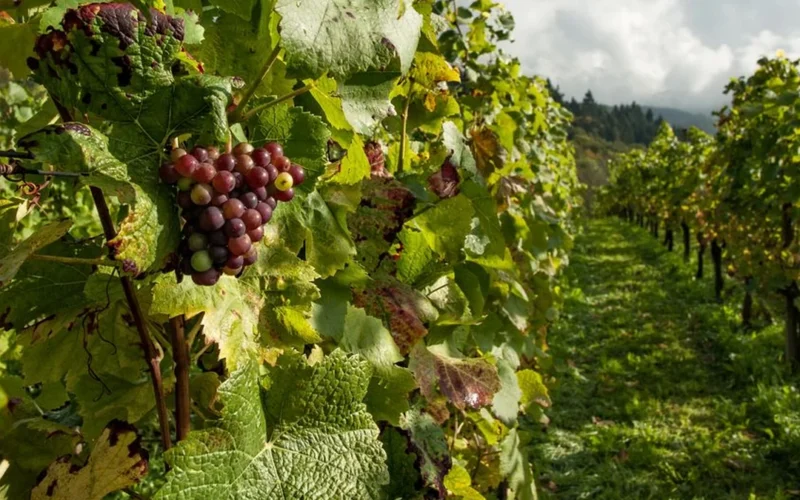
The estate’s identity is inseparable from the rugged geography of northern Empordà. Head winemaker Delfí Sanahuja manages 127 hectares of organic vineyards spread across five distinct estates, each offering a unique interplay of slate, sand, gravel, and clay. Perelada works parcel by parcel and vinify each separately, so that every wine reflects the synthesis between soil, climate and grape variety. By treating every plot as an individual entity, the winery captures a mosaic of expressions rather than forcing a homogenized style.
Respecting the Mediterranean rhythm
Sustainability at Perelada is a structural commitment to the territory. The winemaking philosophy leans toward low intervention, utilizing indigenous yeasts and keeping sulphite levels significantly below legal limits. This approach prioritizes raw fruit expression over heavy oak influence, ensuring the region’s freshness remains intact.
This dedication extends beyond the glass; Perelada is a holistic cultural landmark. The estate’s grandeur is anchored by its historic castle and refined hospitality, including Michelin-starred dining that elevates local gastronomy to an art form. It serves as a living preservation project, protecting a winemaking heritage that survived phylloxera to become a modern standard of excellence. Perelada exists to honor the Empordà’s history while cultivating its future.
Does a winery’s connection to local history change how you perceive the taste of the wine?
Questions & Answers
What defines the geography and climate of the Empordà region?
The Empordà region is defined by its location between the Pyrenees mountains and the Mediterranean Sea. This unique landscape is shaped by the relentless Tramuntana wind and an ancestral winemaking tradition that dates back to the Greeks. The rugged geography provides a diverse foundation for viticulture, offering various soil compositions including slate, sand, gravel, and clay that contribute to the distinct character of the local wines produced on the estate.
How does Perelada approach its vineyard management and winemaking process?
Perelada manages its vineyards by treating every individual plot as a unique entity to ensure each wine reflects a specific synthesis of soil, climate, and grape variety. Head winemaker Delfí Sanahuja oversees 127 hectares of organic vineyards spread across five distinct estates. By working parcel by parcel and vinifying them separately, the winery avoids creating a homogenized style and instead captures a complex mosaic of expressions from the different soil types.
Why does Perelada prioritize low intervention winemaking techniques?
Perelada utilizes low intervention techniques to prioritize raw fruit expression and preserve the natural freshness of the Empordà region. The winery employs indigenous yeasts and maintains sulphite levels that are significantly below legal limits to minimize heavy oak influence. This sustainable philosophy serves as a structural commitment to the territory, ensuring that the wines remain true to their origins while respecting the Mediterranean rhythm and the delicate characteristics of the local grapes.
What cultural experiences can visitors find at the Perelada estate?
Visitors to the Perelada estate can experience a holistic cultural landmark that combines historic grandeur with refined hospitality. The estate is anchored by its iconic historic castle and offers high-end culinary experiences, including Michelin-starred dining that elevates local gastronomy. Beyond wine tasting, the estate functions as a living preservation project that honors the history of the Empordà through its architecture, food, and commitment to protecting regional winemaking heritage.
Originally reported by The Drinks Business.