

⏱ 2 min read
The Short Version
Cold brewing the 2026 Farmerleaf Lao Banzhang Single Trees risks muting its soul, trading vital energetic tension for a flat, leathery profile. While you’ll achieve a clean finish, you'll sacrifice the dramatic bitter-to-sweet transition that defines this high-quality sheng.
Real talk: not every high-quality sheng is built for the slow soak of a cold brew. While many enthusiasts swear by cold brewing to minimize bitterness and maximize sweetness, applying this method to certain young sheng can actually strip away their most compelling characteristics. It is a delicate balance between achieving a clean finish and losing the very soul of the tea.
Cold brewing this vintage effectively mutes its most vital energetic qualities.
The risk of muted complexity
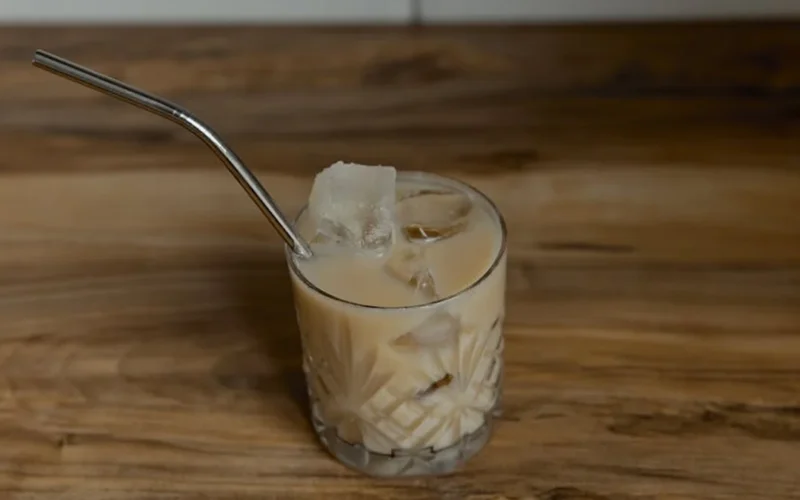
The 2026 Farmerleaf Lao Banzhang Single Trees serves as a cautionary tale for those looking to simplify their morning routine. When prepared using a standard ratio of 14g to two liters of water steeped in the fridge for twelve hours, the results are technically clean but fundamentally dampened. In a young sheng, much of the magic lies in the dramatic tension between initial bitterness and the subsequent rush of sweetness. Cold brewing this vintage effectively mutes its most vital energetic qualities.
Without that bitter edge to provide contrast, the profile shifts toward a leathery upfront note that lacks any real punch. You might detect faint hints of citrus or bright green flavors, but they lack the depth usually found in a properly executed hot infusion. The mouthfeel is crisp and light, yet it fails to deliver the depth these leaves promise.
Prioritizing the bitter-to-sweet transition
If you are chasing sweetness through cold brewing, oolongs often prove to be more reliable candidates for this method. For teas that rely heavily on huigan—that lingering sweet aftertaste—to define their character, suppressing bitterness via cold extraction can leave the tea feeling hollow. If you refuse to abandon convenience, try a hybrid approach: perform a quick hot steep to wake the leaves and extract those essential aromatics, then dilute with cold water or ice. This prevents the profile from flattening entirely.
This Lao Banzhang vintage is refreshing when cold, but it remains unremarkable in that format. To truly appreciate the nuances of these single trees, you have to embrace the heat. Save this specific batch for a traditional gongfu session where the interplay of flavors can actually breathe. Sometimes, the best way to respect a tea is to brew it exactly how it wants to be treated.
Do you find that cold brewing enhances the sweetness of your sheng, or does it flatten the profile too much?
Questions & Answers
What happens when you cold brew the 2026 Farmerleaf Lao Banzhang Single Trees?
Cold brewing this specific vintage results in a technically clean but fundamentally dampened tea profile. While the method minimizes bitterness, it also mutes the vital energetic qualities and dramatic tension that define a young sheng. Instead of a complex experience, the flavor shifts toward a leathery upfront note that lacks punch. You may detect faint hints of citrus or bright green flavors, but they lack the characteristic depth found in a properly executed hot infusion.
Why is cold brewing risky for certain types of young sheng tea?
Cold brewing is risky because it can strip away the essential contrast between initial bitterness and the subsequent rush of sweetness. In many high-quality sheng teas, the magic lies in this specific transition rather than pure sweetness alone. By suppressing the bitter edge through cold extraction, the tea may lose its soul and feel hollow. This process often fails to deliver the depth these leaves promise, leaving the mouthfeel crisp and light but ultimately unremarkable.
How can you prevent a tea profile from flattening during cold preparation?
You can prevent a flattened tea profile by using a hybrid brewing approach rather than a standard long soak. Start with a quick hot steep to wake the leaves and extract their essential aromatics before diluting the liquid with cold water or ice. This method helps maintain the complexity that a simple fridge steep might lose. It ensures that the vital characteristics of the tea remain present even when you are seeking the convenience of a cold beverage.
Which types of tea are better suited for the cold brewing method?
Oolongs often prove to be more reliable candidates for cold brewing than young sheng teas. Because oolongs behave differently during extraction, they can achieve sweetness through this method without losing their core identity. Teas that rely heavily on huigan, or a lingering sweet aftertaste, are particularly sensitive to cold brewing. If the bitterness is suppressed too aggressively, these teas can end up feeling hollow and lacking the necessary depth to satisfy tea enthusiasts.
Originally reported by Reddit Puer Tea.


[…] of the entire supply chain. Anji has implemented a sophisticated traceability system that tracks white tea from the initial plantation stage directly to the consumer. By utilizing Internet of Things sensors […]