⏱ 1 min read
The Short Version
Re-roasting coffee can deepen its flavor without losing its fruity essence, but requires precise heat control to avoid scorching or dulling the original profile. The technique aims to balance complexity and character, much like pairing coffee with bold chocolate.
In This Article
The concept of re-roasting coffee sparks debate, yet it holds undeniable appeal. Lightly roasted beans offer vibrant acidity and fruit-forward profiles—can they be transformed into something more complex without losing their defining characteristics? The answer lies not in a simple yes or no, but in mastering the art of controlled heat application and timing.
Re-roasting is a calculated risk, but the reward could be a coffee that’s both expressive and grounded—just don’t expect the same result every time.
The Science of Second Roasts
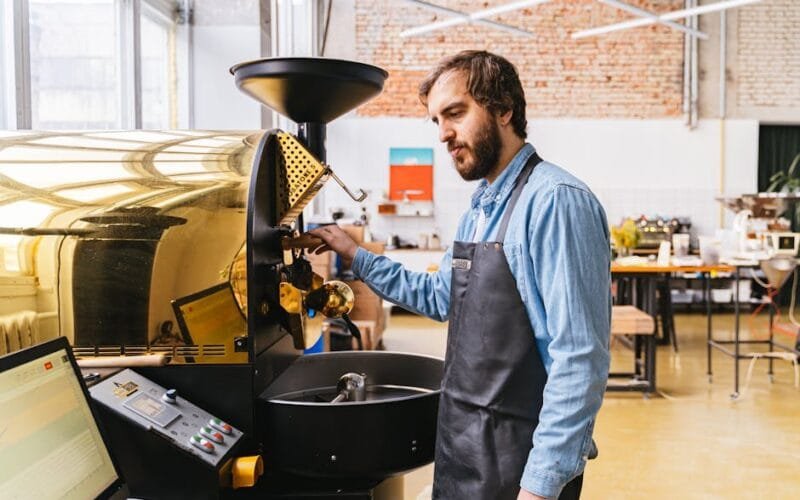
Roasting is a chemical process, not a linear path. Once beans reach their peak, the window for development narrows significantly. However, when working with already roasted beans, some roasters attempt a “re-roast” by reintroducing heat at lower temperatures and slower rates. This technique aims to prolong the Maillard reaction without triggering scorching. While it can enhance body and depth, the margin for error is slim—too much heat risks dulling the original fruitiness, while too little yields minimal change.
When Chocolate Meets Coffee
The true test of re-roasting isn’t just about flavor—it’s about harmony. Bean-to-bar chocolate is often intense, with bold, sometimes overwhelming profiles. Pairing it with coffee requires a balance of strength and nuance. A coffee that’s too acidic or bright may clash, but one with a more developed structure can stand alongside it. This isn’t merely a matter of taste; it’s about creating a dynamic interplay between ingredients. The focus isn’t on whether re-roasting is viable, but on how to achieve it without compromising the coffee’s character.
Re-roasting is a calculated risk, but the reward could be a coffee that’s both expressive and grounded—just don’t expect the same result every time.
Beyond flavor, re-roasting carries practical implications. The process demands additional energy and time, raising questions about sustainability and efficiency. While it can yield unique profiles, the environmental cost must be weighed against the potential for innovation.
So, if you’re aiming for a deeper, more robust coffee to complement dark chocolate, you’re not just adjusting roast profiles—you’re redefining the relationship between bean and bar. What’s your go-to strategy for balancing bold flavors?
Questions & Answers
How does re-roasting coffee work?
Re-roasting involves applying controlled heat to already roasted beans to enhance body and depth without scorching. It requires lower temperatures and slower rates to prolong the Maillard reaction, aiming to balance complexity with the original fruitiness of the beans.
Why is re-roasting coffee a calculated risk?
Re-roasting is a calculated risk because it demands precision to avoid dulling the original fruitiness or yielding minimal change. The process requires careful heat application to achieve a balance between enhancing flavor and preserving the coffee’s defining characteristics.
What role does chocolate play in re-roasting coffee pairings?
Chocolate, especially bean-to-bar varieties, often has bold profiles that require a balanced coffee. A coffee with developed structure can complement chocolate’s intensity, creating a dynamic interplay between the two ingredients.
Can re-roasting coffee be sustainable?
Re-roasting can be sustainable if the benefits of unique flavor profiles outweigh the energy and time costs. However, the environmental impact must be weighed against the potential for innovation and enhanced coffee quality.
Originally reported by Reddit Coffee Roasting.