⏱ 1 min read
The Short Version
Blending dark and light roasts isn’t about hiding flaws but creating a dynamic dialogue between flavors, where each roast enhances the other without overpowering. The key is balance through precision, not uniformity.
In This Article
Blending beans isn’t about masking imperfections—it’s about amplifying the interplay between distinct profiles. For roasters like HoustonRoaster, the challenge isn’t just about how to blend, but how to let the contrasts between dark and light coexist without one overshadowing the other. The debate over same-origin roast levels vs. cross-continental pairings is often a false dichotomy, but the true measure is whether the final cup feels like a dialogue or a cacophony.
The goal isn’t to create a perfect cup, but to reveal how disparate elements can coexist.
The Tightrope of Dark and Light
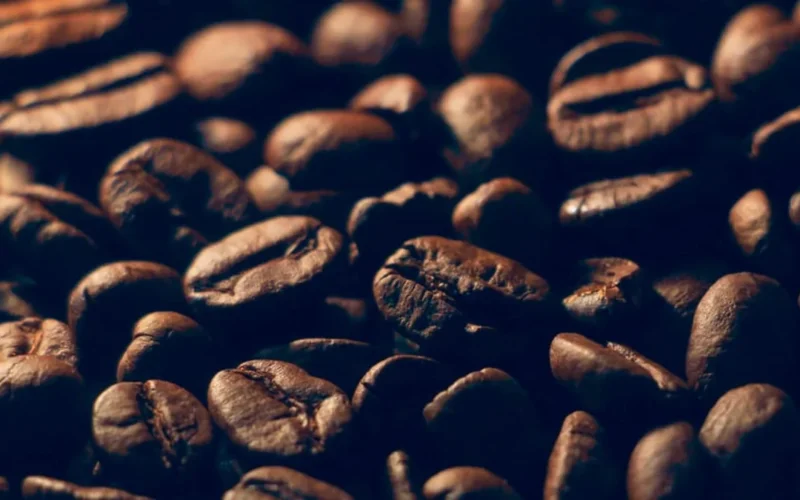
Mixing dark and light roasts is like trying to weave two threads of different textures into a single fabric. A light roast’s acidity and brightness can clash with a dark’s smokiness, creating a snake bite effect where one flavor overwhelms the other. Yet, when done right, the contrast can elevate complexity—a crisp citrus note from the light might cut through the dark’s molasses-like body, or a hint of caramel from the dark could soften the light’s tartness. The trick isn’t to chase balance, but to let each roast speak without drowning the other.
The Roaster’s Calculus
Blending isn’t a science, but it demands precision. A single bean’s roast profile can shift dramatically when combined with another—think of how a light Sumatra’s earthy backbone might suddenly feel muted next to a dark Ethiopian’s floral lift. Roasters often experiment with ratios, timing, and even grind consistency to tease out unexpected synergies. Green blends, though less common, offer another layer of control, allowing for precise adjustments before the roast even begins. The goal isn’t to create a perfect cup, but to reveal how disparate elements can coexist—and in doing so, reduce waste by using surplus beans or underutilized regions. The goal isn’t to create a perfect cup, but to reveal how disparate elements can coexist. What’s your approach to blending? Do you chase balance, or dare to let one flavor dominate?
Questions & Answers
How does blending dark and light roasts affect the flavor profile?
Blending dark and light roasts creates a dialogue between contrasting flavors, such as acidity and smokiness. When done well, a light roast's brightness can cut through a dark roast's body, while a dark roast's caramel notes can soften the light's tartness. The key is to let each roast speak without overpowering the other.
What role does roast level play in blending beans?
Roast level determines the flavor intensity and characteristics of each bean. A light roast contributes acidity and brightness, while a dark roast adds smokiness and body. Roasters experiment with ratios and timing to find synergies, ensuring neither roast dominates the final cup.
Can blending beans reduce waste in the coffee industry?
Yes, blending can reduce waste by using surplus beans or underutilized regions. Green blends allow for precise adjustments before roasting, enabling roasters to create unique profiles from beans that might otherwise be discarded. This approach highlights the value of diverse origins and roast levels.
Why is balance important in coffee blending?
Balance is important because it allows distinct flavors to coexist without clashing. A well-blended cup feels like a dialogue, with each roast contributing uniquely. The goal is not to create a perfect cup, but to reveal how disparate elements can harmonize, enhancing complexity and depth.
Originally reported by Reddit Coffee Roasting.